Why water is a woman’s problem

02.From climate change to conflict, water scarcity is putting women and girls at growing risk worldwide

02.From climate change to conflict, water scarcity is putting women and girls at growing risk worldwide
04.Despite experiencing the acute realities of water scarcity, women are still being locked out of decision-making. That needs to change

05.Meet the women campaigners, scientists, engineers and entrepreneurs protecting the water we drink
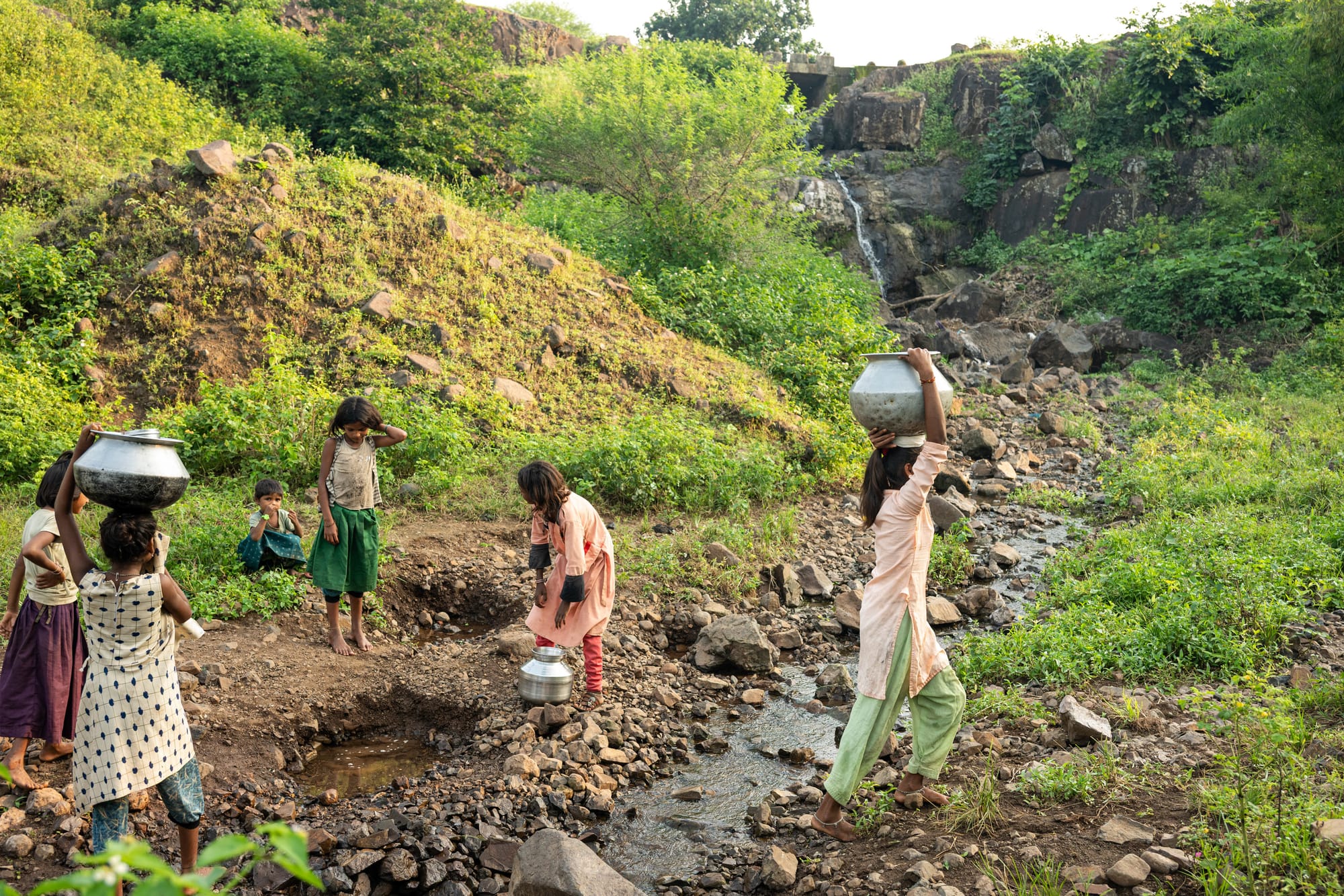
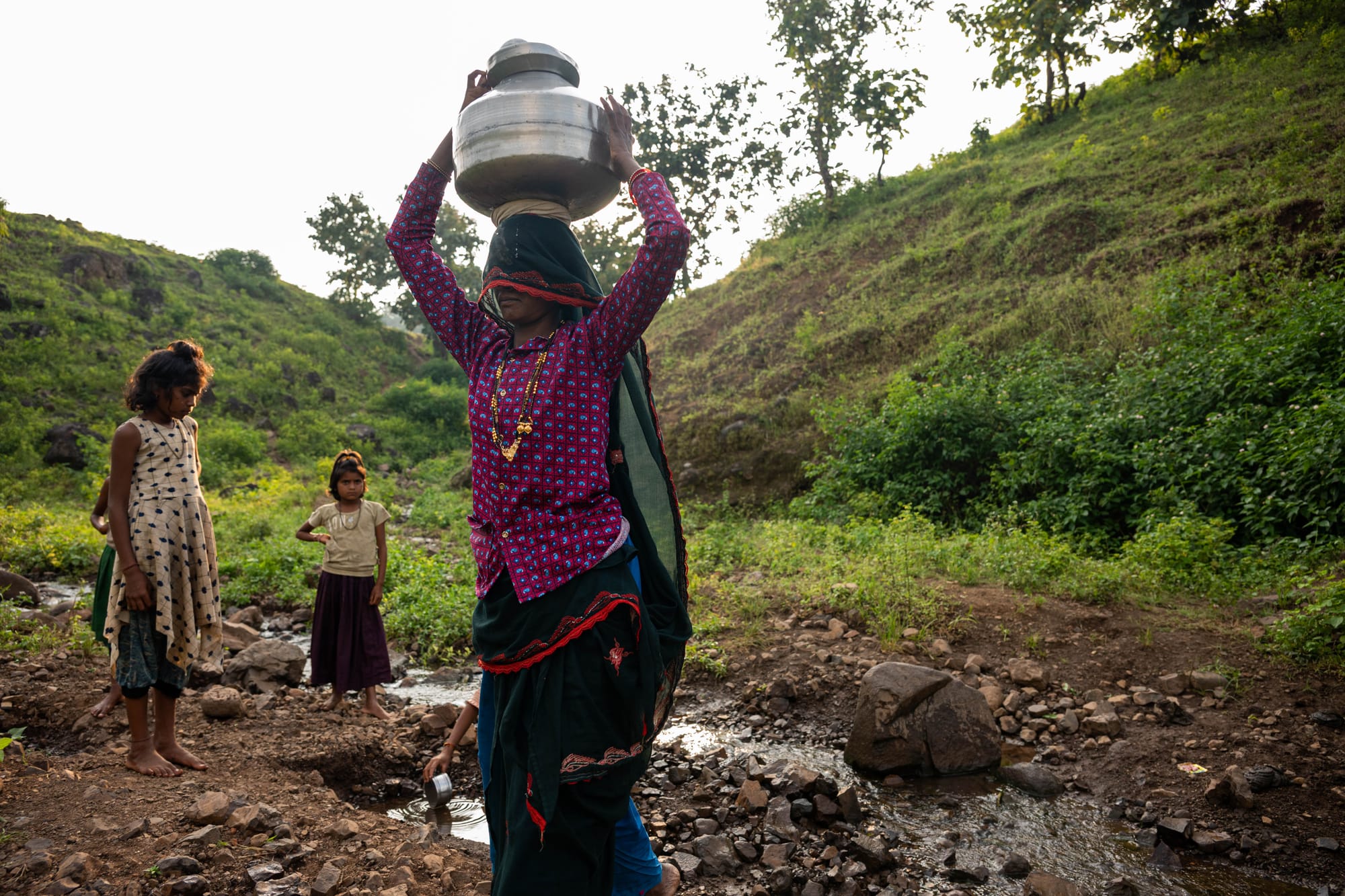
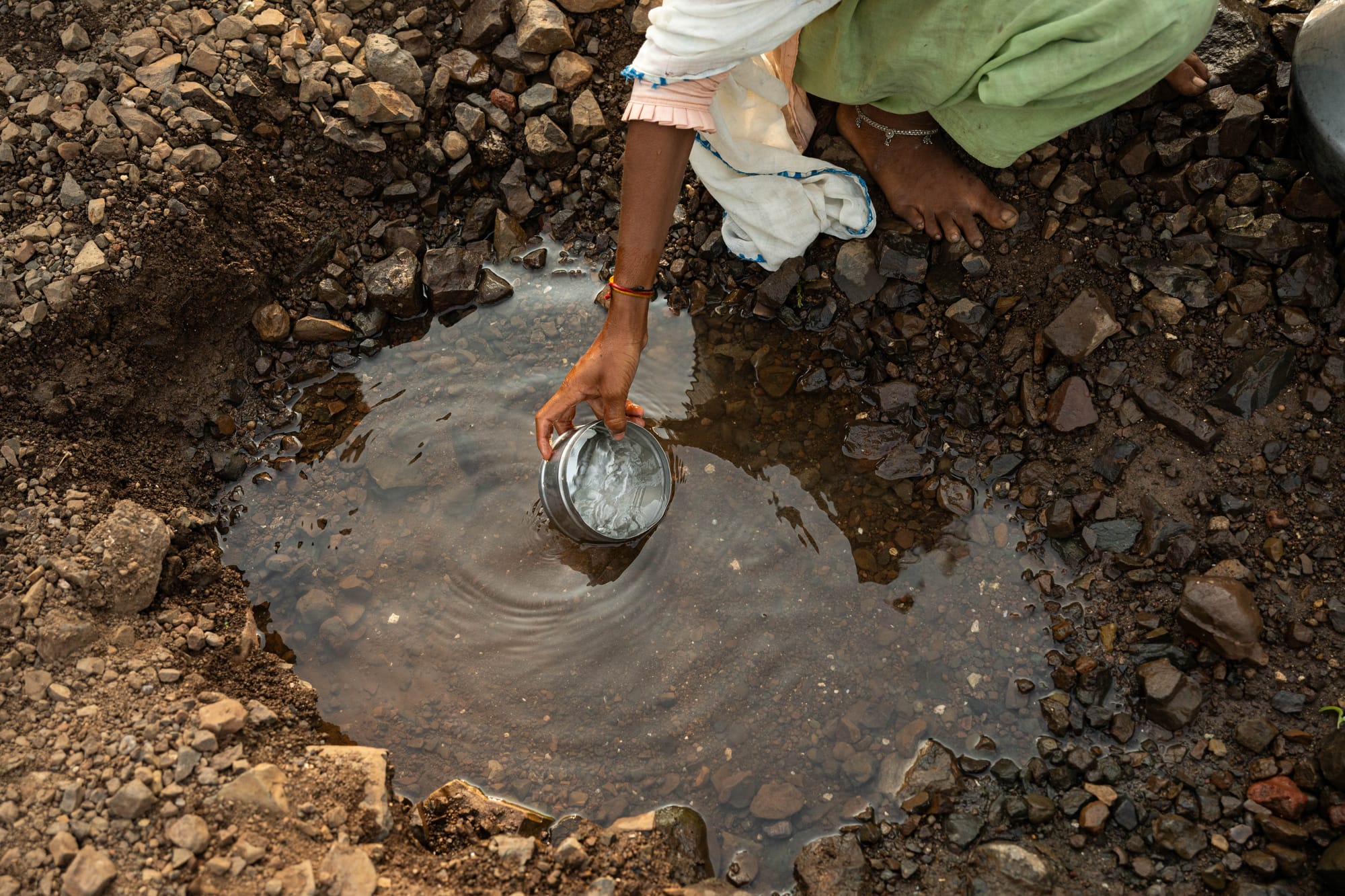
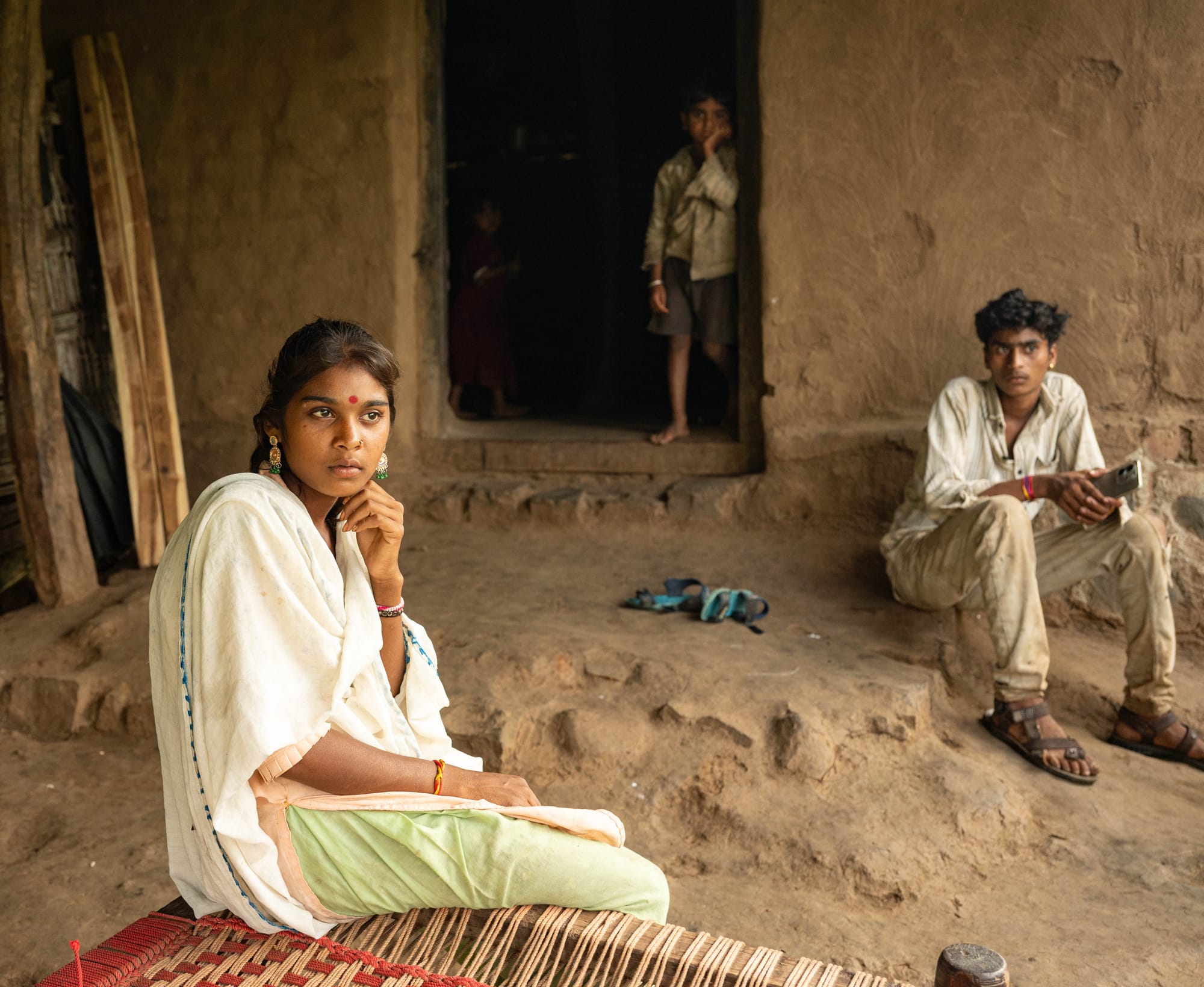
“I wanted to become a doctor, but I had to stop going to school,” Sangita Santosh, 14, told me while she was fetching water from a spring in Khaparmal village in Maharashtra’s drought-prone Nandurbar district in western India.
This was one of the stories I heard in September last year, when I travelled to villages across the region to document how water scarcity is shaping the lives of women and girls.
Sangita had wanted to continue her studies, but eventually she was forced to drop out of school. As the eldest daughter, she had five younger siblings to look after, as well as household chores. Fetching water was a major part of her work. Her story stayed with me because she had already imagined a future for herself and then found that there were responsibilities at home that came first.
I became interested in Maharashtra’s water crisis after seeing photographs circulating on social media of women and young girls gathered around empty wells, holding vessels and waiting for water. Rainfall had become increasingly erratic, forcing families to travel farther to find water. In many households, the responsibility of securing it fell on women and girls.
I kept wondering what was happening beyond those photographs. What did a water crisis mean for the girls having to collect water?
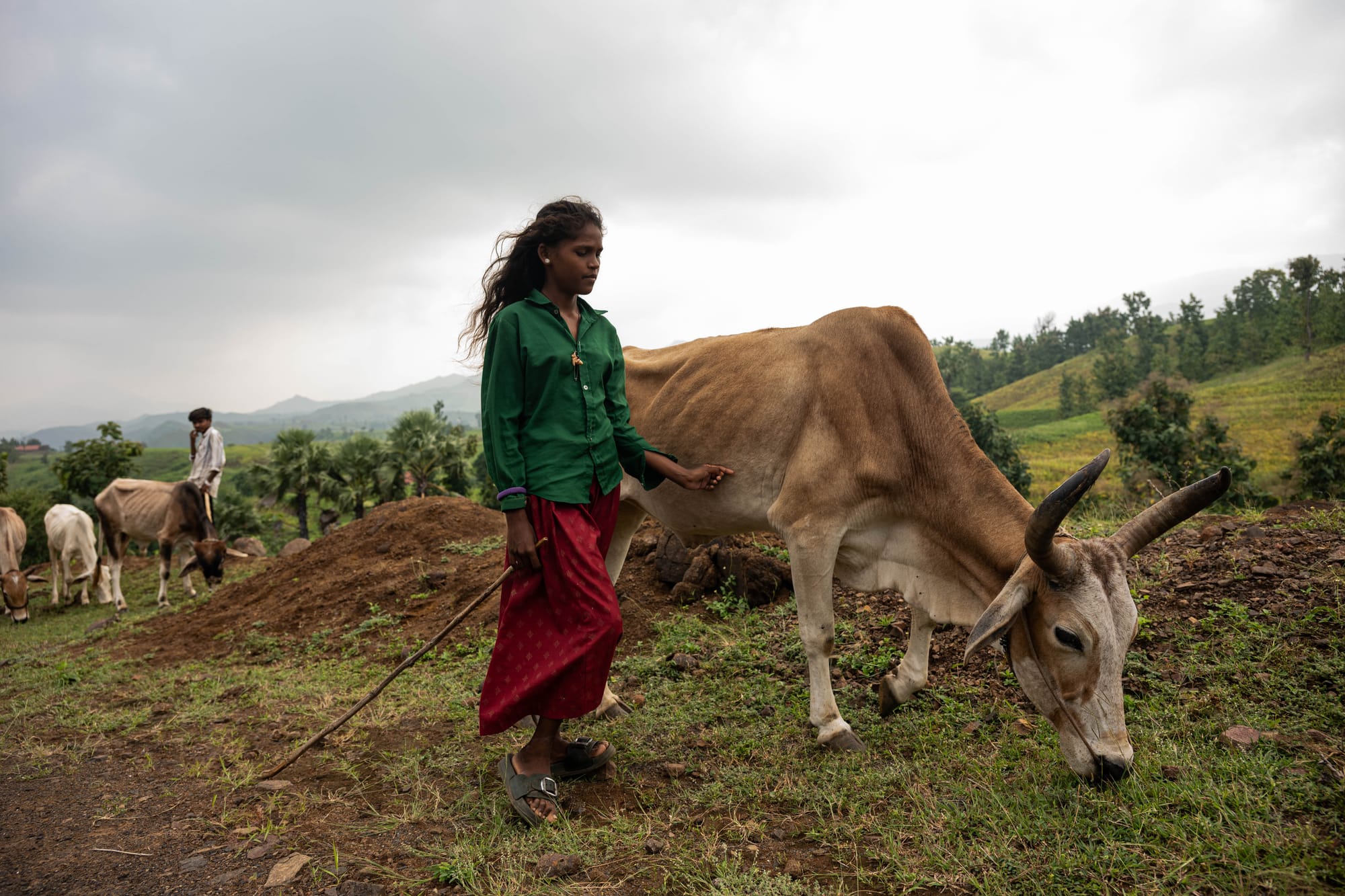
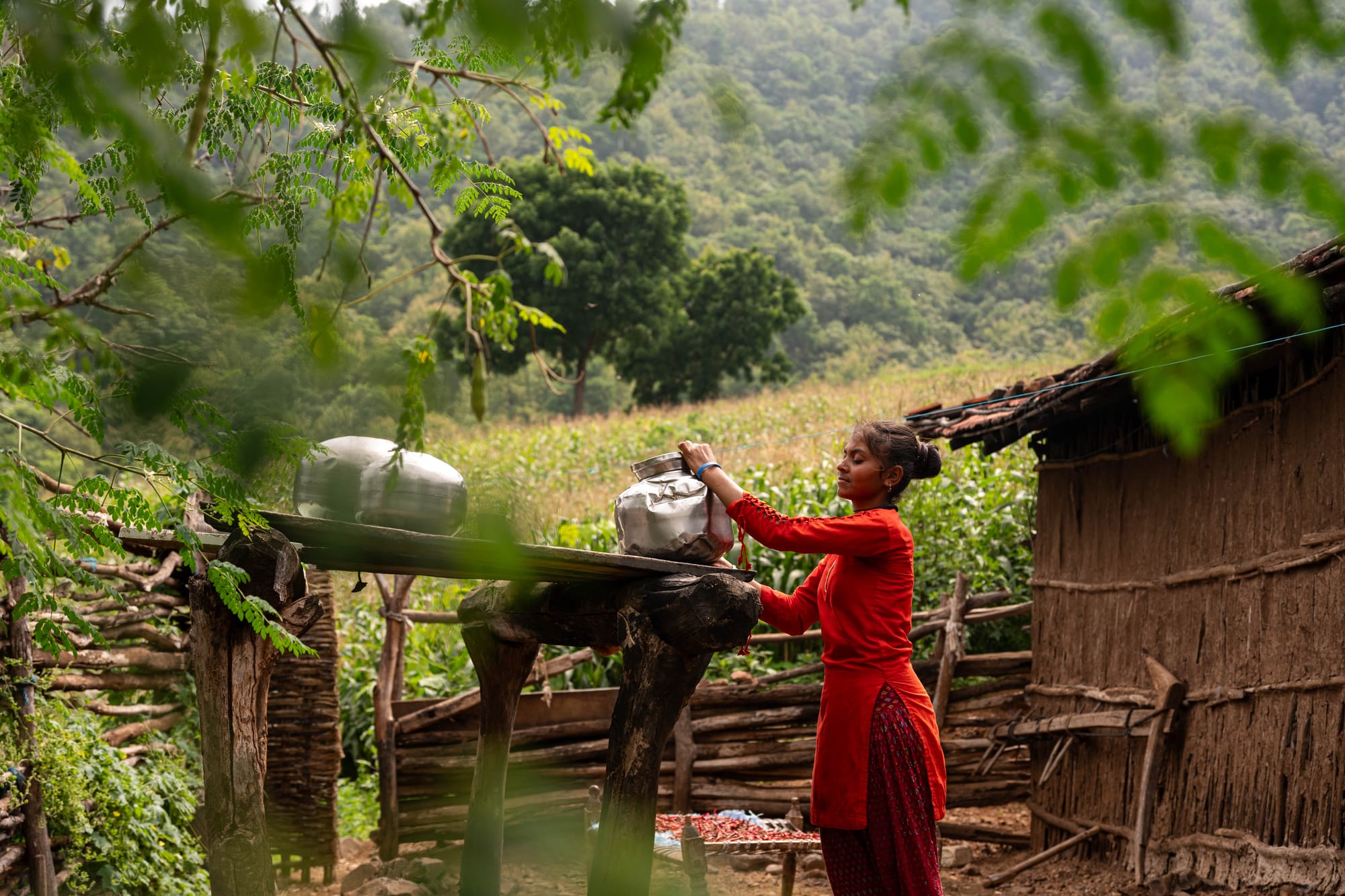
Fetching water is only one part of their daily lives. Girls are also expected to cook, clean, care for younger siblings, tend livestock and help with agricultural work.
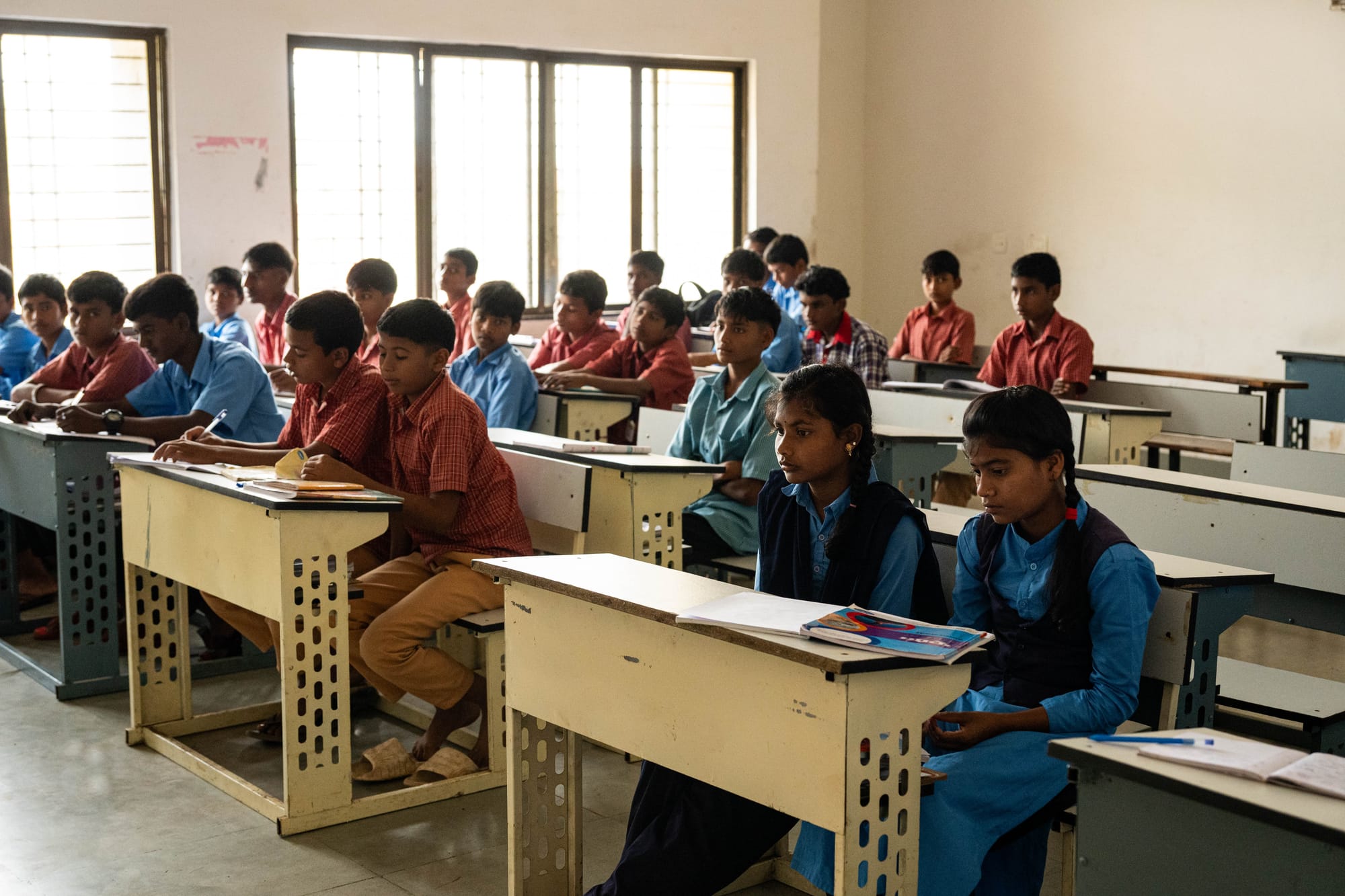
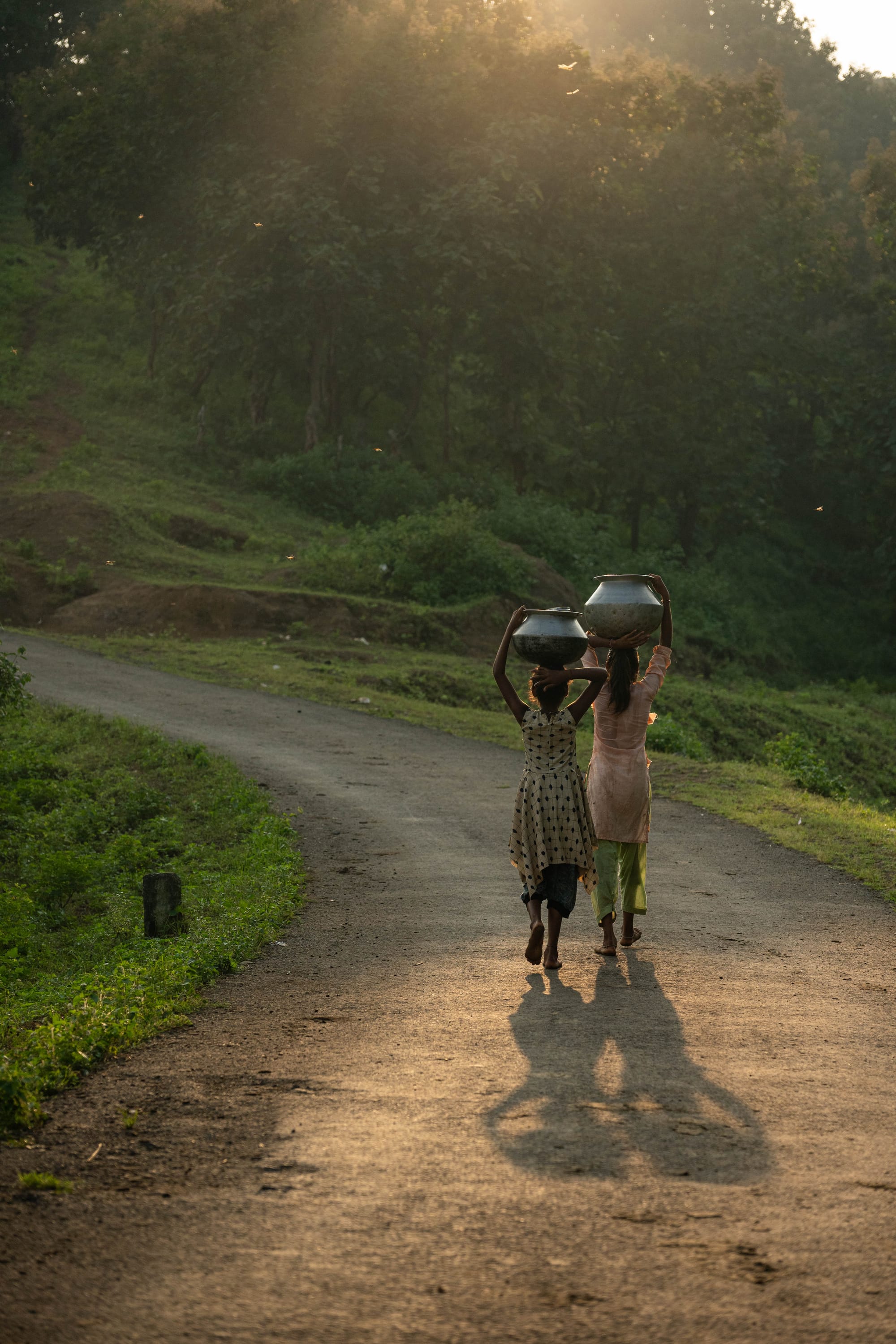
In Maharashtra state, about three to four hours are spent a day walking to distant water sources and carrying heavy containers. This often means girls arrive late to school or have less time for studies and rest. Teachers and local activists told me that girls’ attendance became particularly difficult to maintain during periods of drought. In some cases, I was told, early marriage was being considered by families as a way to cope, especially among families already facing economic pressures.
I met girls whose education had already been interrupted and others who were still trying to continue. What began as a project about water gradually became a story about how a shortage of something so fundamental as water could reshape the way a girl spent her childhood and change dreams.
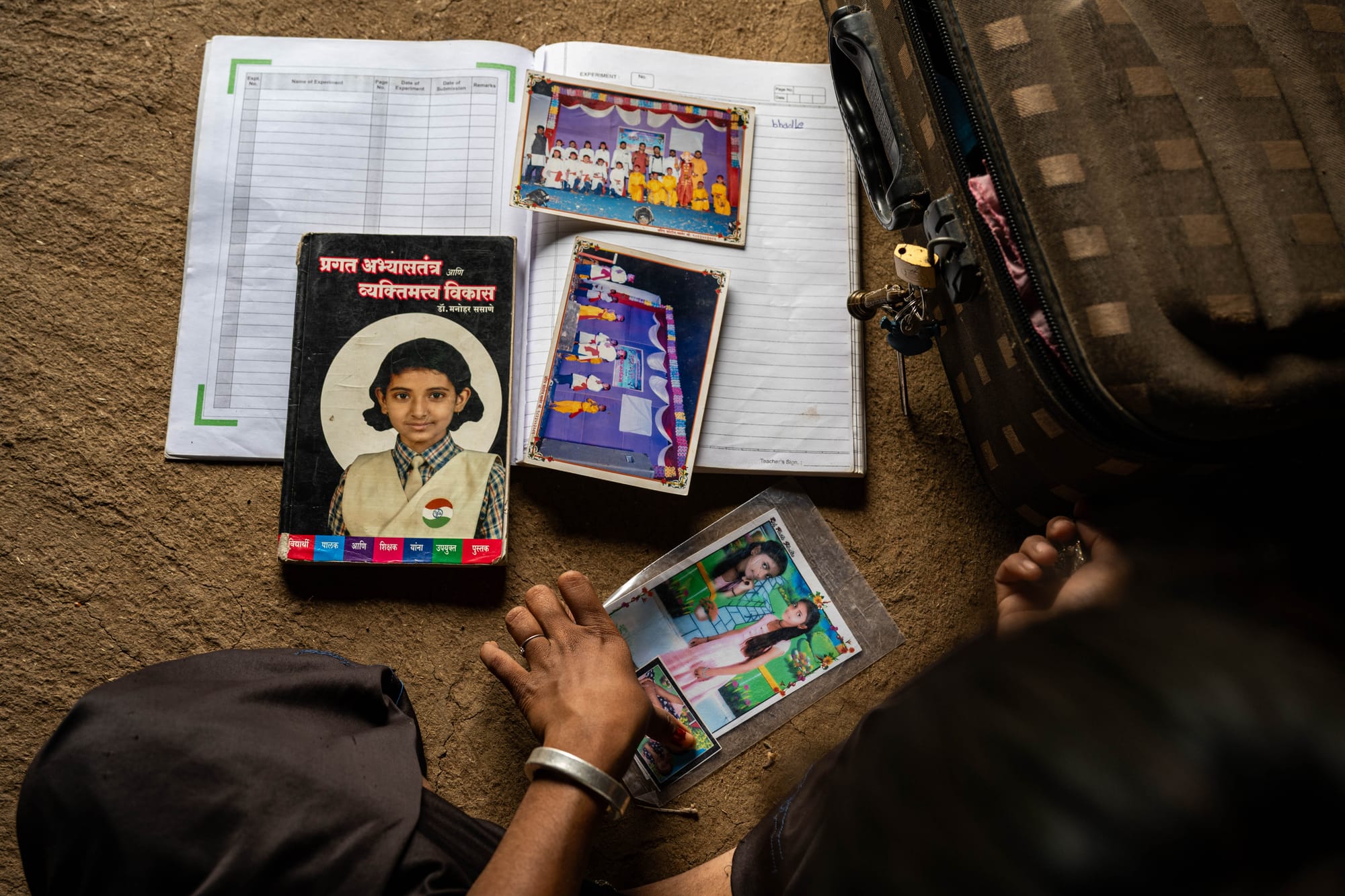
Another teenager I met, Ramati Mangla, 17, was already married. At her home, she kept photographs and other memories from her school days locked in a suitcase. She had preserved photographs from a time when she was still attending school, dancing and learning with her classmates.
Looking through them, I was struck by how carefully she had held on to pieces of a life that had been disrupted. The photographs were more than memories; they seemed to preserve an idea of who she had been and what her life might have looked like.
I spent time with girls in their homes, at school, in the cotton, maize and sorghum fields, and while they collected water. The longer I stayed, the more the story moved beyond the familiar images of empty wells and women carrying vessels.
I began to see water scarcity as a question of time and labour and of who in a family is expected to absorb the extra work when water becomes more scarce. It's inevitably girls who bear the toll. For girls, those demands often come at the expense of education, play and the possibility of imagining a life beyond their immediate responsibilities.
Today in Nandurbar, access to water remains precarious. Rainfall is 53.2% below normal since the beginning of the monsoon season, which typically begins in June and lasts through September.
For me, the most difficult part of this work was seeing how water shortages could impact a girl’s future. The empty wells that first drew me to Maharashtra were only the beginning of the story. Beyond them were girls who still wanted to study, and whose education had already stopped.
I’ve Kept My Books is ultimately a story exploring what the absence of water can take with it – time, education, childhood, dreams and possibilities.
Photography by Shefali Rafiq. Edited by Anastasia Moloney and Liz Ford.
Photography by Shefali Rafiq. Edited by Anastasia Moloney and Liz Ford.
After the Flood, by Kassandra Montag
Black Fish: How to Fish, and Stories of the Wata, Kin & Community, by Speech Debelle
Governing Bodies, by Sangamithra Iyer
My Oceans, by Christina Rivera
The Quickening, by Elizabeth Rush
The Water Carriers, by Gregory D. Smithers
Water Wars: Privatization, Pollution, and Profit, by Vandana Shiva
What the Eyes Don’t See: A story of Crisis, Resistance, and Hope in an American City, by Mona Hanna-Attisha
Whose water is it anyway, by Maude Barlow
Simbi, by Kevin Sipp
This is not water, by Carolina Caycedo
Water life, by Aida Muluneh
Amazon, the New Minamata, directed by Jorge Bodanzky
Behind Brazil’s “green deserts,” women are fighting for water, by Fuller
Berta soy yo, directed by Katia Lara
Contaminated water putting Gaza families at risk, by Al Jazeera
Daughters of the Tallest Tree, by Heinrich-Böll-Stiftung
Erin Brockovich, directed by Steven Soderbergh
If God Is Willing and da Creek Don't Rise, directed by Spike Lee
Mami Wata, by C.J. 'Fiery' Obasi
Saving the Chattahoochee: The Story of the Women Who Defended the River for Five Decades, by Hal Jacobs
The Marshes of Iraq: The shocking reality of climate change on the marshes of Iraq, directed by Budoor Al Abid
Water, by Bisan Owda
What women risk to get water in Madagascar, by Fuller
Guardians of the River, by Wild Bird Trust, National Geographic and House of Pod
The History of Black Mermaids in the Caribbean and Southern USA, by Know Your Caribbean
Viajantes, a song by Capim Açú
Decades of systemic racism seen as root of Jackson Mississippi water crisis, from PBS
Indigenous women unite against the end of the world, from Sumauma
In Peru, mercury leaves a toxic footprint on those who depend on a river, from Mongabay
In drought-prone Oaxaca, indigenous women are reviving ancient techniques to preserve water, from the BBC
Living Day to Day: Surrounded by water and ignored by powerful officials, Tchula and its people fight for survival, from Mississippi Today
Storying the Floods: Experiments in Feminist Flood Futures, from Open Rivers
Ten Years After the Flint Water Crisis, Distrust and Anger Linger, from ProPublica
There Are Rivers in the Sky by Elif Shafak review – story of a raindrop, from the Guardian
Edited by Charlie Brinkhurst-Cuff and Erica Hensley.
Edited by Charlie Brinkhurst-Cuff and Erica Hensley.