Letter from the editor: Water is running out. Women are still being shut out
Despite experiencing the acute realities of water scarcity, women are still being locked out of decision-making. That needs to change
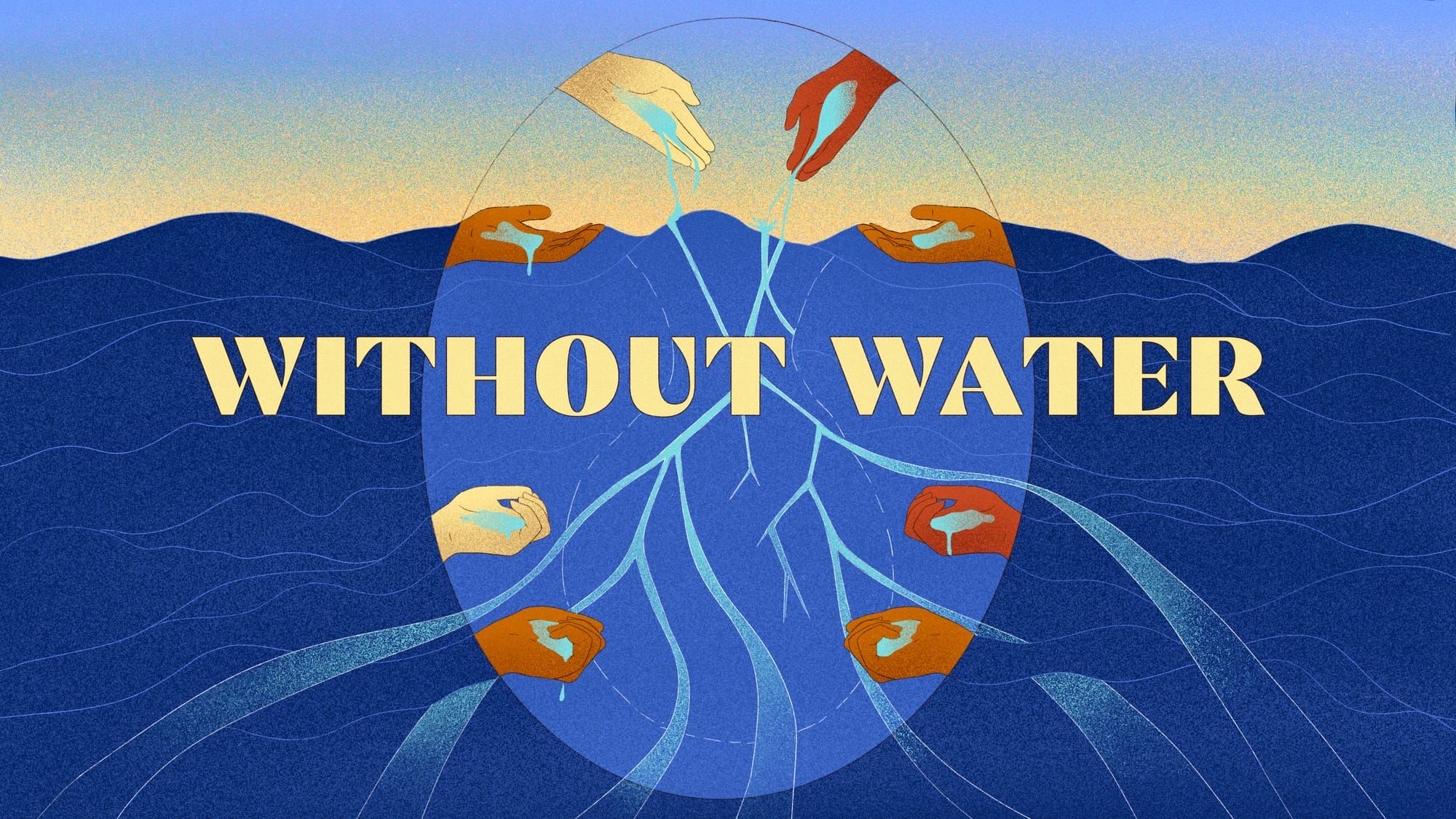
For me, the issue of water scarcity is personal. I grew up in Atlanta, Georgia, where drought, hurricanes, floods, and tornadoes were treated as foregone conclusions, mostly out of our collective hands. In reality, these disasters were not inevitable, but shaped by the ways we managed our climate, land and water.
We are in the era of global water bankruptcy. There isn’t enough water for the world to survive at our current pace of use. To survive as a species, we have to find or create new sources. The situation is so bad that we had to invent a new term – water bankruptcy – because “crisis” wasn’t strong enough.
As I write this from the sidelines of the UN General Assembly, a representative from the United Arab Emirates is promising that the UN Water conference in Abu Dhabi in December will go on despite the US-Iran war – bringing together “the most important people” to discuss water issues across the world.
But does that include women? They currently make up less than one in three voices in water governance. Although all of us will be affected, we are not all impacted equally. More than 1 in 4 women and girls (roughly 1.1 billion) lacked access to clean water in 2024.
That’s why, along with our Without Water edition, we’re launching our first editorial campaign: Where women lead, water flows – in partnership with Community of Women in Water and editorial partners including Al Jazeera, Onewater, and Water Journalists Africa.
And we’ve got 17 brilliant women leading that charge in their communities: our 2026 Fuller Water Defenders, such as Nemonte Nenquimo, who successfully campaigned to protect Indigenous territory from oil extraction. And Mari Copeny, “Little Miss Flint”, who spent her childhood raising awareness about the Flint water crisis.
Developed by our small and dedicated team here at Fuller, this work was spearheaded by our editor-in-chief, Eliza Anyangwe, who understands that representation is only the start: the people most affected by water scarcity must have power in shaping solutions.
As we head toward the UN Water Conference, we'll celebrate our defenders, ask policymakers why women aren’t at the tables where the next decade of water policy gets written, and seek out the creative solutions that will allow everyone on earth to survive this new era.
Would you like to get involved with our “Where women lead, water flows” campaign? Or do you have your own experience of water scarcity that you’d like to share? Email me at ehensley@fullerproject.org
Visuals by Sandy Christ. Campaign strategy by Eliza Anyangwe. Edited by Charlie Brinkhurst-Cuff and Liz Ford.

