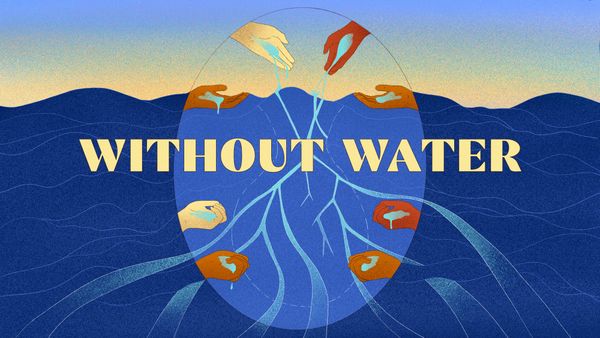
Fuller Defenders 2026: meet the women fighting for your water
Meet the women campaigners, scientists, engineers and entrepreneurs protecting the water we drink

Water scarcity is getting worse. The world has now moved beyond a water crisis and entered a state of “global water bankruptcy”, according to the UN.
Worldwide, women and girls are the collectors and guardians of the water we drink. They are often the first to notice and feel the impact of water shortages and polluted water.
But their impact isn't often felt where decisions are made. Women are underrepresented at negotiating tables, from local water boards to high-level summits, where water access and funding are determined.
Ahead of the UN Water Conference in Abu Dhabi in December, Fuller is showcasing 17 leading women and gender-diverse water defenders from the Americas to Asia and the Middle East to spotlight the crucial role they play in protecting water resources, advancing environmental justice, and leading resistance movements in their local and Indigenous communities.
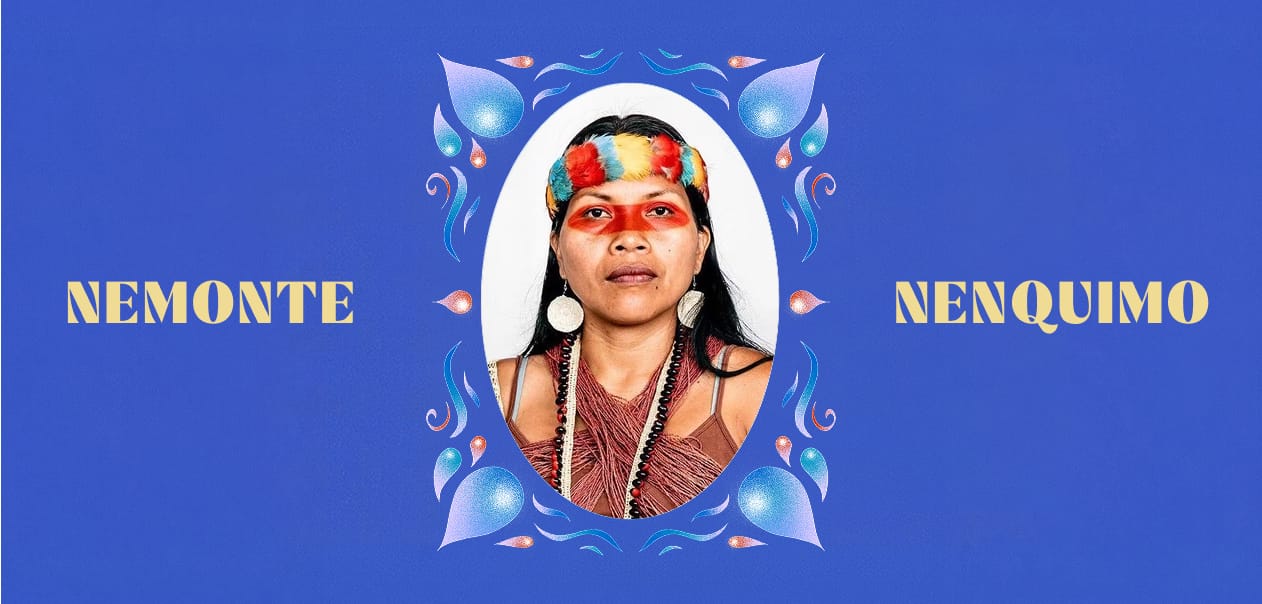
Nemonte Nenquimo
Indigenous Waorani leader
Nemonte Nenquimo is no stranger to taking on the world’s biggest oil giants. When the Ecuadorian government attempted to auction half a million acres of her ancestral Waorani lands in the Amazon rainforest to oil companies in 2019, Nenquimo and her tribe took them to court in a historic lawsuit to protect their land and water.
This isn’t her only achievement. She has helped communities install rainwater harvesting systems and solar panels, while also playing a key role in mapping more than 500,000 acres of Waorani territory using Indigenous knowledge to protect native resources like sacred trees and medicinal plants.
True to her name, which means “many stars” in the native Waorani tongue, Nenquimo has illuminated Indigenous communities across the Amazon to fight for climate justice.
Key quote: “This is not just Indigenous people’s work. It’s not about thinking that only those far away in the Amazon are affected and that others aren’t because we’re all connected to the rainforest.”
Big win: Led the Waorani people to a landmark legal victory against the Ecuadorian government after it auctioned off their ancestral land through a faulty consultation process. The court ruling protected parts of the Amazon rainforest from oil drilling.
Water access: In Ecuador, more than 80% of urban residents have access to safe drinking water compared to less than half of rural populations.
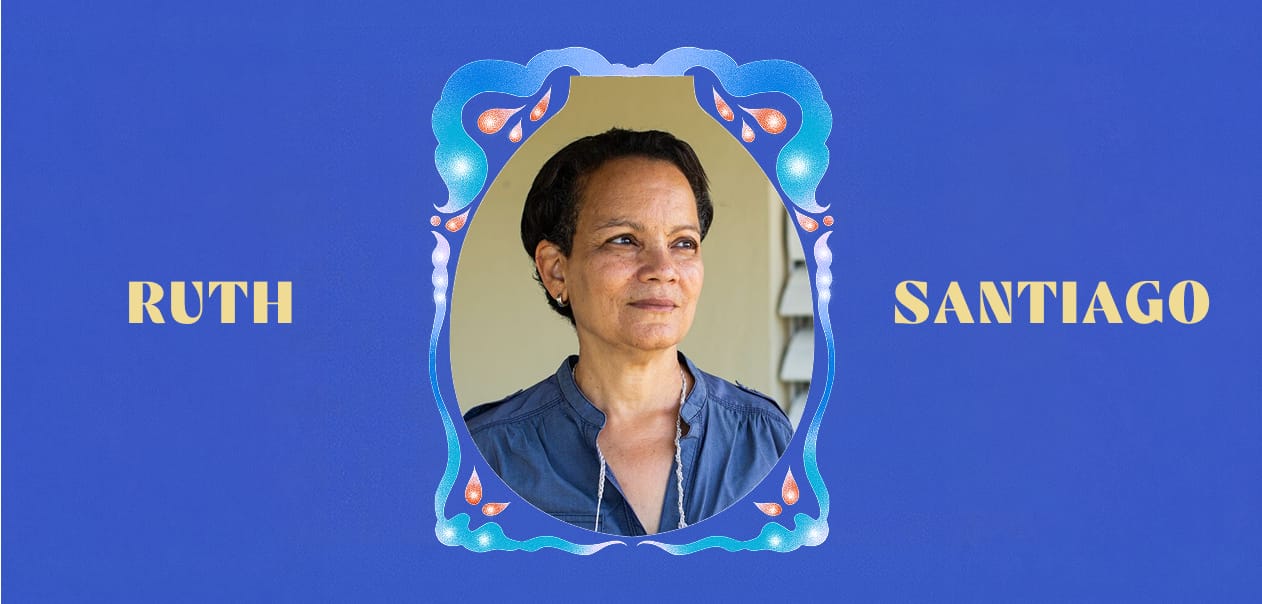
Ruth Santiago
Community and environmental lawyer
When it comes to environmental injustice, Ruth ‘Tata’ Santiago has one weapon: the law. In 1997, she was part of a coalition that took on the construction of a proposed landfill over an aquifer on Puerto Rico’s southern coast. Had it been built, it would have become the US territory’s largest landfill, threatening a major source of drinking water. They won. Since then, she has worked with multiple groups to block industrial water pollution, fought toxic power plant emissions, and championed community-led clean energy initiatives.
Though a lawyer by trade, she has earned a fierce reputation as a community activist. Today, as Puerto Ricans face a mounting water shortage crisis, she continues her fight to hold government mismanagement of water accountable and to safeguard the island's essential natural resources.
Key quote: “We can’t turn a blind eye to the fact that we are descendants of people who were exploited, underpaid, and whose sources of livelihood became extinct.”
Big win: Fought state regulators and a major utility company to ban the widespread distribution and dumping of toxic coal ash, which would pollute local air and groundwater, across rural communities in Puerto Rico.
Water access: As Puerto Rico faces a historic drought, more than 500,000 people in the US territory are undergoing rotating 48-hour water shut-offs.
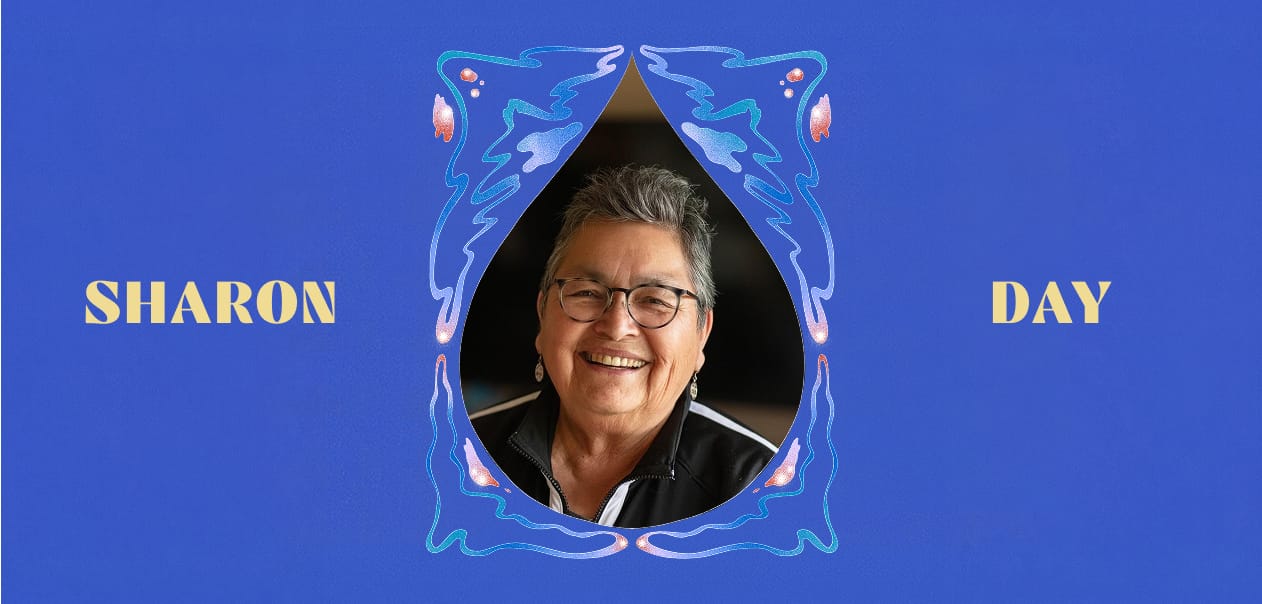
Sharon Day
Indigenous leader and activist
Sharon Day is an Indigenous water walker. She gathers water at the headwaters of a river, carries it on a long journey while singing prayers, until she reaches the mouth of the river and pours it back. Part of a self-governing Ojibwe community, this is about showing respect for the water and supporting its health. She has led more than a dozen of these walks along US rivers. In 1998, she joined the M’dewin – a sacred traditional medicine and spiritual society – to help the Mendota Dakota people protect a sacred spring from road construction. Today, the spring still flows but at a diminishing rate.
As an Ojibwe leader and executive director of the Indigenous Peoples Task Force, she helps provide health services, housing initiatives, and cultural programs to fellow Native Americans.
Key quote: “In our Ojibwe ways, women are responsible for the water… Whenever you see pictures around the world of people carrying water, it’s always the women. It’s always women. And that just stuck with me, that, you know, what would happen if all the women in the world said no more?”
Big win: Founded the Indigenous Peoples Task Force in 1987, creating one of the first culturally centered organizations in the US to support Indigenous communities during the HIV/Aids pandemic, while also leading thousands of miles of water walks to mobilize action for clean water and environmental justice.
Water access: Since 2019, water levels across all five Great Lakes in North America have seen a drop of two to four feet as the climate crisis accelerates.
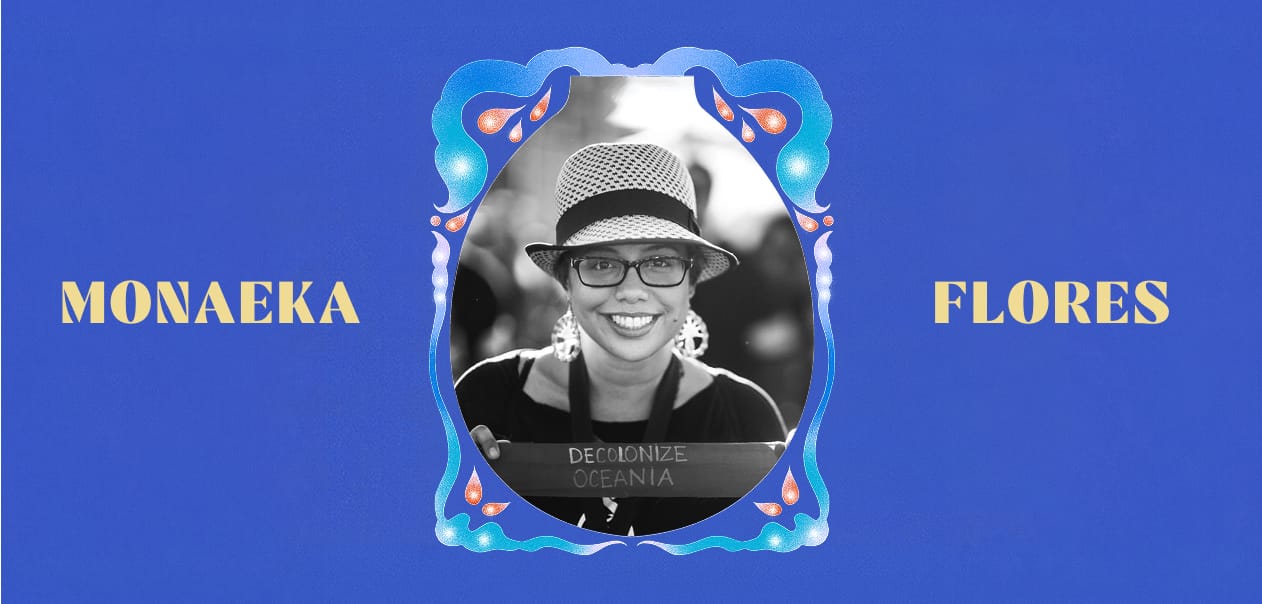
Monaeka Flores
Environmental activist
Monaeka ‘Naek’ Flores always knows when the US military is up to no good on her home island of Guam (known by the Indigenous CHamoru community as Guåhan). As a queer CHamoru and the executive director of Prutehi Guåhan – a grassroots organization on the island dedicated to defending CHamoru culture, native lands, and natural resources – Flores has spent years standing on the front lines to protect the island’s sacred lands and critical water sources, while fighting for their sovereignty.
Flores challenges the environmental harms posed by the US military presence across the Marianas archipelago, from live-fire training ranges over Guåhan’s primary freshwater aquifer to destroying its expired munitions and toxic waste on the island’s beaches. Recently, her organization took the fight all the way to the US Supreme Court. Oral arguments are set to begin in October 2026.
Key quote: “We the Indigenous islanders deserve to be at peace in our homeland… Some day we want to be able to return to the lands that were taken from us, but the land must be safe enough for us to do that.”
Big win: Led Prutehi Guåhan, alongside Earthjustice, to a historic legal fight that reached the Supreme Court. It challenged the US Air Force over destroying its expired munitions and toxic waste, which threaten Guam’s main drinking aquifer and beaches.
Global water access: The US military controls at least a quarter of Guåhan's total land area, with military expansion threatening the Northern Guam Lens Aquifer, a vital natural resource that supplies roughly 85% of the island's fresh drinking water.
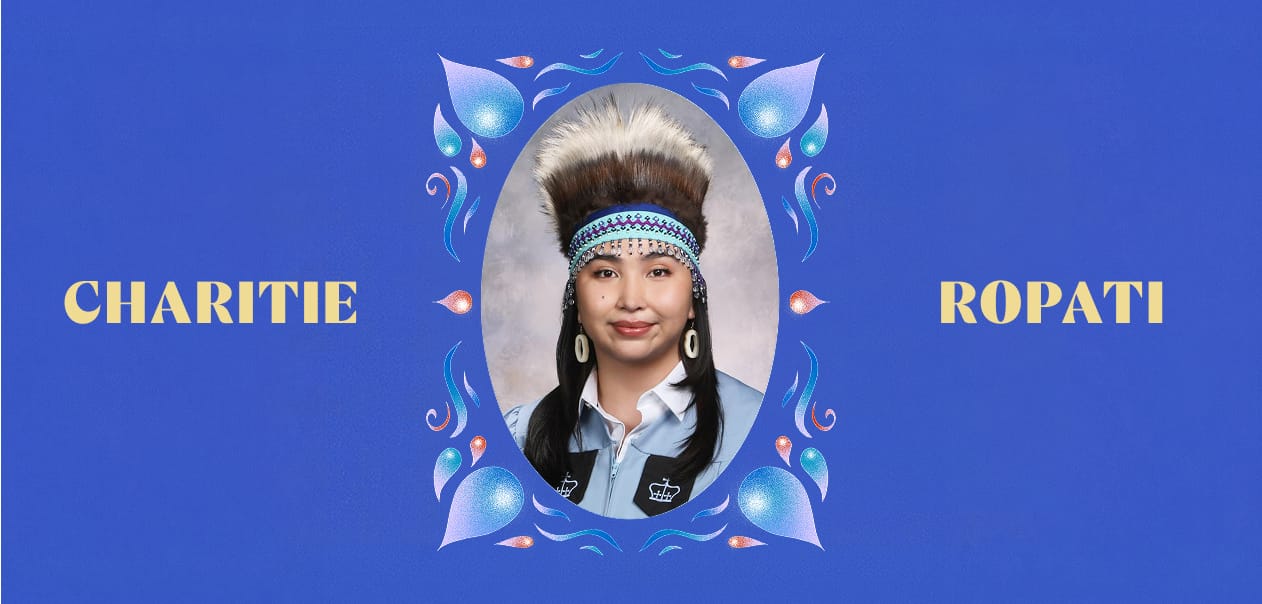
Charitie Ropati
Water engineer and climate justice advocate
For Charitie Ropati, clean water is inseparable from Indigenous rights, climate justice and community wellbeing. Growing up in the Yup'ik community of Kongiganak in southwest Alaska, she witnessed how climate change threatens the lands and waters that have sustained her people for generations. Today, Ropati is a water engineer designing infrastructure for rural Alaska Native communities, while championing Indigenous knowledge in global climate policy. Appointed to the UN Secretary-General's Youth Advisory Group on Climate Change, she has become an influential advocate for ensuring Indigenous communities help shape decisions on water, climate and environmental protection.
Key quote: “I believe every single person, especially Native people, deserves access to clean water and good sanitation infrastructure.”
Big win: Ropati helped improve access to clean water in rural Alaska Native communities by designing climate-resilient water infrastructure, while elevating Indigenous voices on water and climate justice on the international stage.
Global water access: More than 3,300 rural Alaska homes still lack running water and a flush toilet, forcing many families to haul water by hand. Limited access to safe water increases the burden on women and caregivers and contributes to higher rates of infectious disease in remote communities.
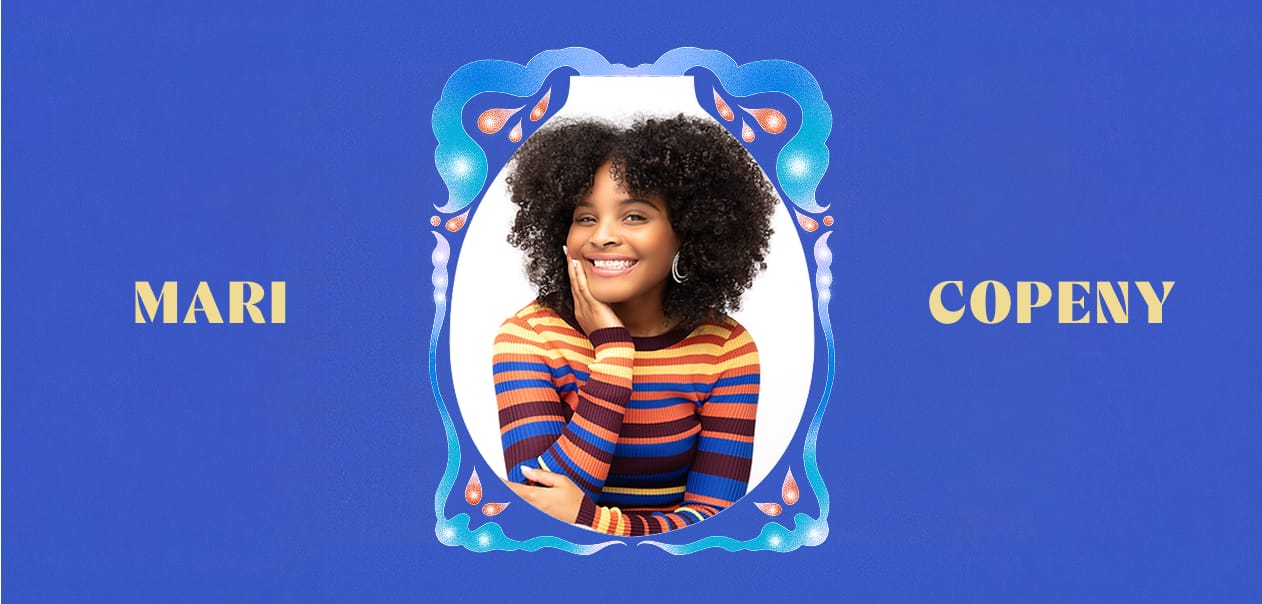
Mari Copeny
Water rights activist
Long before she was old enough to vote, Amariyanna ‘Mari’ Copeny, widely known as ‘Little Miss Flint,’ penned a letter to the then US President, Barack Obama, describing the toxic lead contamination in Flint’s water supply that was making people sick. For 18 months, nearly 9,000 children in Flint were supplied lead-tainted water before official action was taken, causing the rate of elevated blood-lead levels in local youth to double, and in some neighborhoods, triple.
When just eight years old, in 2016, she compelled President Obama to visit the small Michigan town, catapulting her to the front lines of environmental justice and ultimately helping unlock $100m in federal relief funds to address her hometown’s water crisis. Copeny turned that moment into a movement. She has since raised more than $850,000 for specialized lead filters, distributed more than a million bottles of clean water, and spearheaded youth campaigns across the country. Now 19, Copeny leverages her platform to tackle environmental and sociopolitical injustice head-on.
Key quote: “To access clean water is one issue that I’m tackling, but it’s not the only one. I want to make sure that kids have access to tools that will allow them to be successful in life, from clean water to books to bikes to backpacks.”
Big win: Brought national attention to the Flint water crisis, prompting a presidential visit and the release of federal relief funds.
Water access: Today in the US, Black communities are disproportionately impacted by unsafe drinking water due to outdated or poorly maintained water infrastructure that can lead to water contamination and health risks.
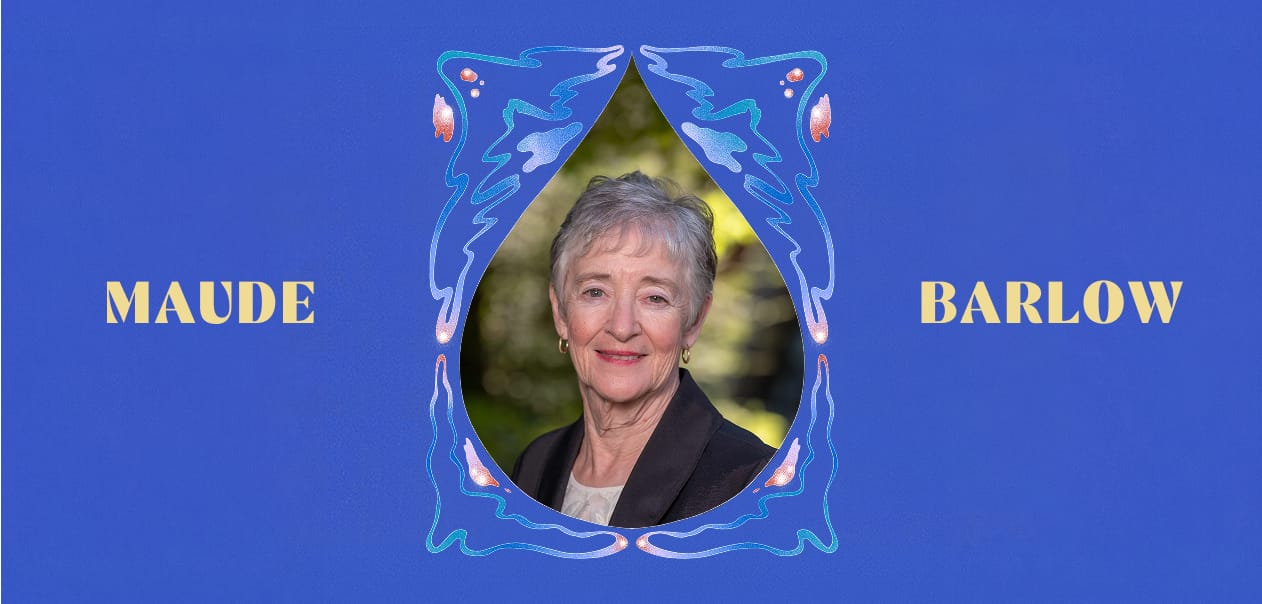
Maude Barlow
Water rights campaigner and author
For Maude Barlow, water is not a commodity to be bought and sold – it is a fundamental human right. As senior advisor on water to the President of the UN General Assembly from 2008 to 2009, Barlow helped lead the global campaign that resulted in the UN recognizing access to safe drinking water and sanitation as a basic human right in 2010. Since then, for more than three decades, the Canadian author and activist has been one of the world's leading voices defending freshwater from privatization, pollution and over-extraction.
As founder of the water justice organization Blue Planet Project, she has mobilized communities worldwide to protect rivers, lakes and aquifers while fighting to ensure water is managed for the public good rather than private profit. Through her 21 books and advocacy, she continues to champion water justice worldwide.
Key quote: “I have never discovered any more powerful truth than this: the world will only be transformed from the bottom up, from people fighting in their own communities because they care.”
Big win: Played a key role in the campaign that resulted in the UN recognizing access to safe drinking water as an indispensable human right, which is fundamental to a person's health, dignity and prosperity.
Water access: Despite Canada holding one-fifth of the world's freshwater, inequalities persist on Indigenous reserves and some First Nations communities still go without reliable, safe drinking water.
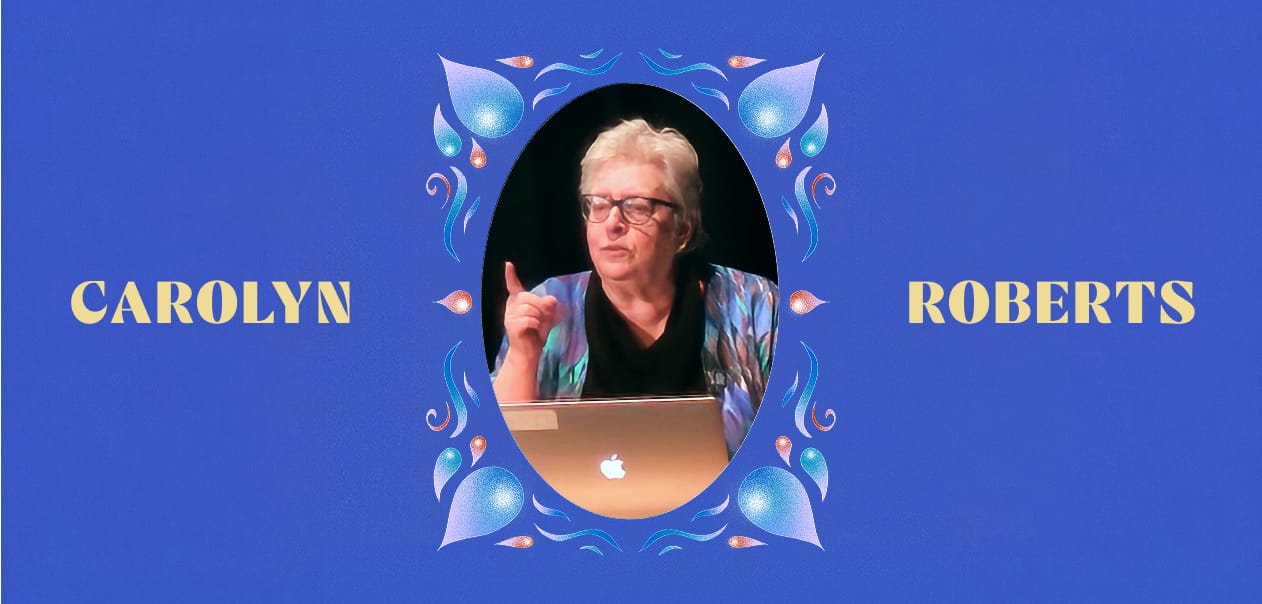
Carolyn Roberts
Environment and water specialist
For more than four decades, Carolyn Roberts has been one of Britain's leading voices on water management, arguing that healthy rivers are essential for both people and nature. An independent water and environment consultant and former environment professor at Gresham College, she has advised governments, businesses and local authorities on water resources, flooding, pollution and environmental protection.
Roberts has also become one of the UK's most prominent public advocates for cleaner rivers, leading a landmark legal action over the alleged underreporting of sewage pollution and overcharging. The case has brought increased public scrutiny to the environmental performance of the UK's privatised water industry. Over the years, Roberts has helped to shape debate on how climate change, development and pollution are placing growing pressure on Britain's freshwater resources.
Key quote: “The public sees the damage being done to our rivers and waterways, while water companies deflect responsibility.”
Big win: Became the lead claimant in a landmark legal action representing around 20 million customers against six English water companies, regarded by lawyers as the first environmental collective action of its kind in the UK.
Water access: Nearly everyone in the UK has access to safe drinking water, but the country's rivers are under increasing pressure. Today, only around one in seven of England’s rivers, lakes and coastal waters are classed as being in good ecological condition, largely due to pollution and ‘forever chemicals’ build-up.
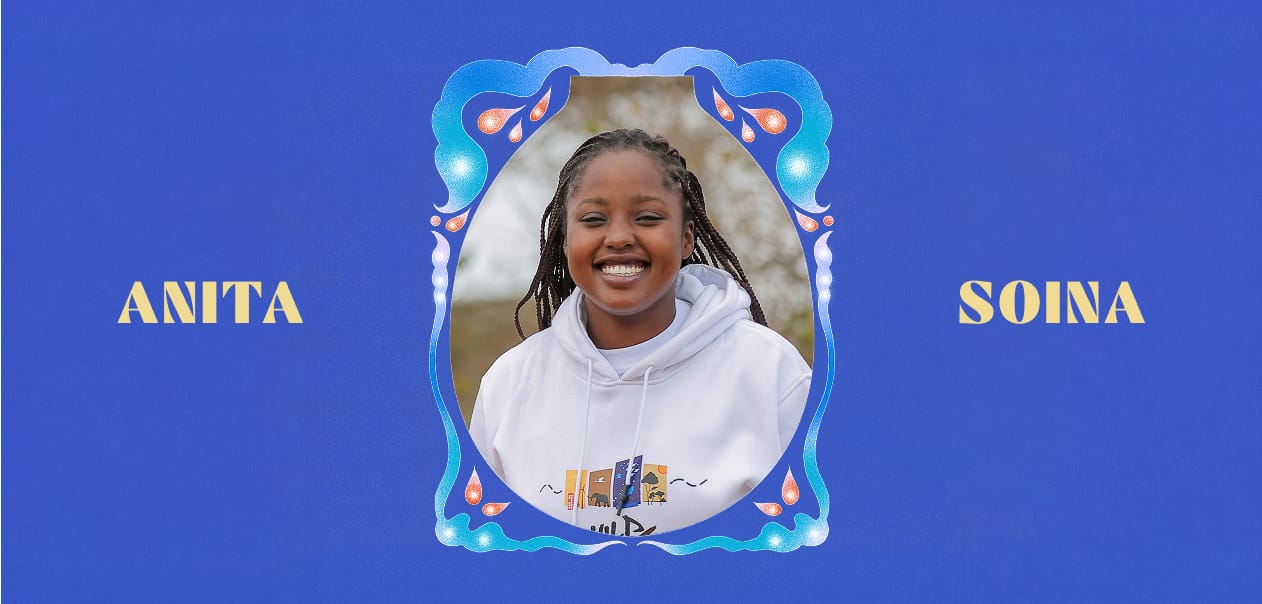
Anita Soina
Indigenous rights advocate and environmental campaigner
For Anita Soina, the climate crisis begins with the search for water. From Kenya's drought-prone Maasai community, she saw women and girls walk long distances to collect water, often at the expense of their education, health and livelihoods. Today, she is one of Kenya's best-known youth environmental campaigners, working to improve access to clean water while championing Indigenous knowledge as part of the solution to the climate crisis. Through the Soina Foundation, she has supported community-led projects, including the development of boreholes, rainwater harvesting and water, sanitation, and hygiene initiatives in rural areas.
Soina has become a prominent international advocate, arguing that lasting water security depends on giving Indigenous and local communities a central role in managing the ecosystems they have protected for generations. She is also known for highlighting how climate-induced water scarcity drives vulnerability among women and girls, including school dropouts and forced child marriage.
Key quote: “With water scarcity comes conflict and inequalities. For starters, it prevents young women and girls, who are often the main water carriers, from completing their studies and contributes to an increase in child marriages in exchange for money or livestock for families.”
Big win: Founded the Soina Foundation, which has expanded access to clean water hygiene in Maasai communities, while amplifying Indigenous voices in global climate discussions.
Water access: Only 59% of Kenyans have access to safe drinking water. Kenya is expected to be hard hit by the upcoming El Niño, with increased risk of flooding contaminating drinking water sources and sanitation.
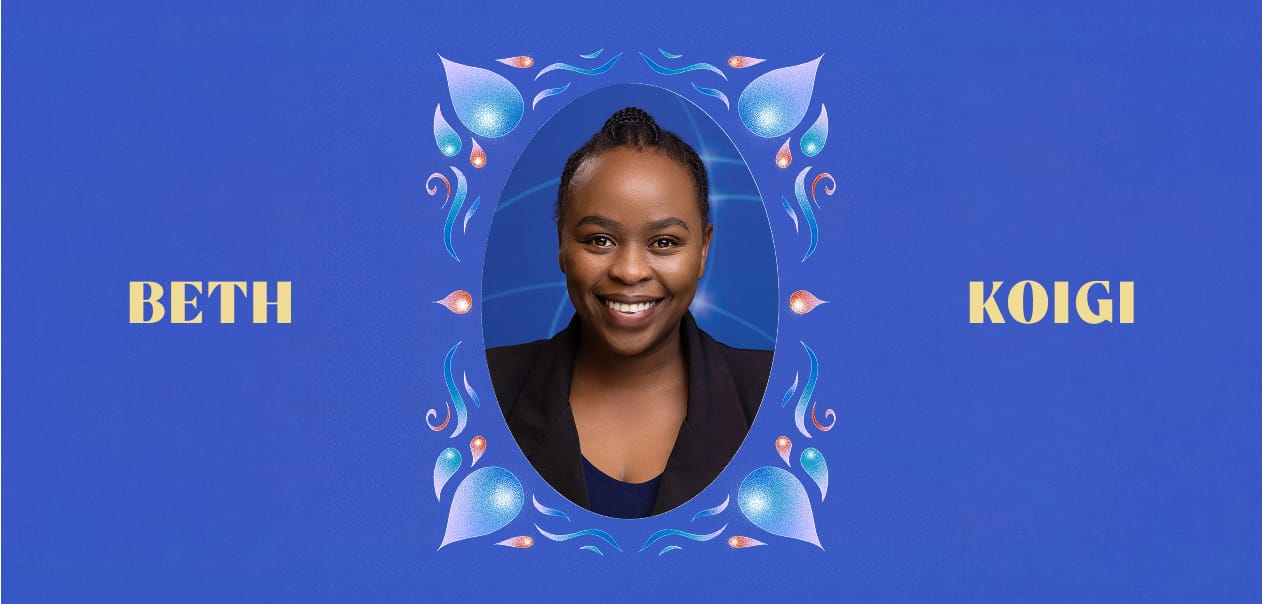
Beth Koigi
Water social entrepreneur
When dirty water began flowing from the taps at her university, Beth Koigi started looking for a better way to get clean drinking water. That search eventually led her to co-found Majik Water in 2017, a Kenyan social enterprise that harvests moisture from the air and turns it into safe drinking water. Working like dehumidifiers, the solar-powered water generators are designed for remote and water-stressed communities where conventional pipes, boreholes or electricity may be unreliable. As the system is powered by solar power, it can work in off-grid areas.
Koigi exemplifies the key role women can play in improving access to clean water through tech and innovation. In 2023, she became a Rolex Awards for Enterprise Laureate, supporting her ambition to bring the technology to more water-scarce communities.
Key quote: “The global water scarcity crisis is becoming increasingly urgent. As water resources continue to decline, the world is looking for innovative, decentralised water sources that can bring reliable water closer to the communities that need it most.”
Big win: Turned an idea for harvesting water from the air into a technology now producing more than 300,000 liters of clean drinking water a month, benefiting over 1,900 people.
Water access: In Kenya, only about two-thirds of the population had access to basic drinking water services in 2024. More frequent droughts since 2000 can mean longer walking distances to water sources, placing a heavy burden on women and girls.
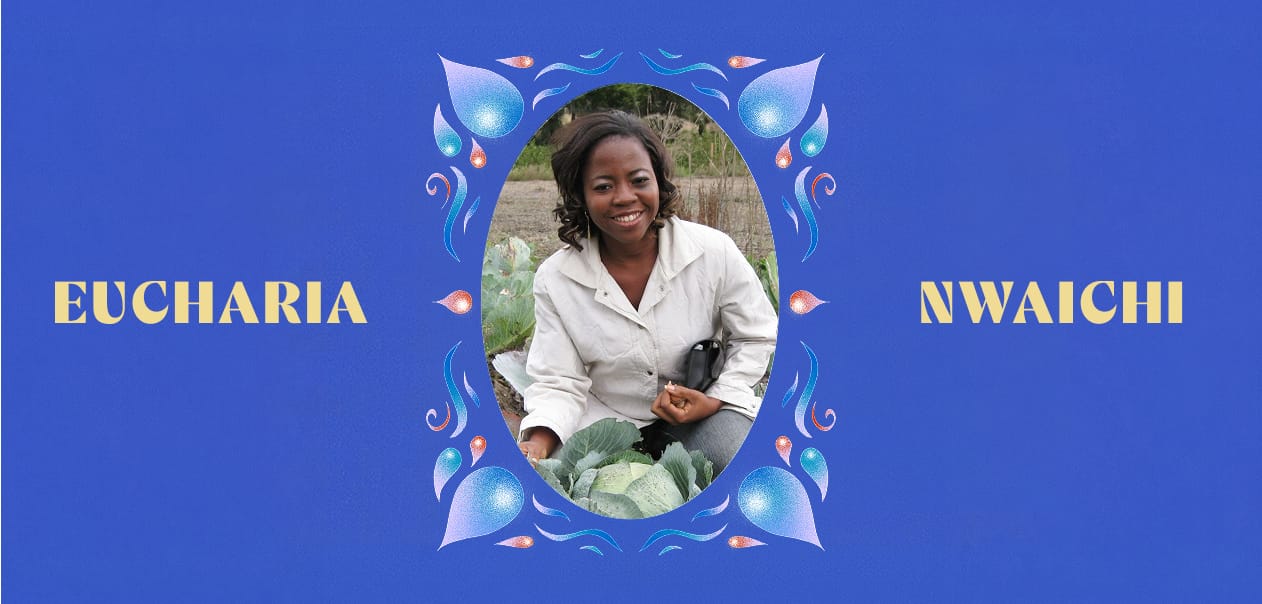
Eucharia Oluchi Nwaichi
Environmental toxicologist and water pollution expert
In Nigeria's Niger Delta, where oil-slicked creeks and polluted rivers have become an everyday reality for many communities, scientist Eucharia Oluchi Nwaichi has spent more than 15 years uncovering the hidden toll of contamination on people and freshwater ecosystems. A professor of environmental biochemistry at the University of Port Harcourt, she studies how toxic chemicals and heavy metals from decades of crude production, as well as oil spills, contaminate freshwater ecosystems and threaten public health. Her research has helped shape efforts to restore polluted ecosystems, including the use of nature-based solutions such as phytoremediation, which harnesses plants to remove contaminants from soil and water.
Beyond the laboratory, Nwaichi has advised government agencies and industry on environmental clean-ups while championing the role of women in science. Her contributions have earned international recognition, including the UNESCO-L'Oréal For Women in Science Fellowship, the Next Einstein Forum Fellowship, the John Maddox Prize and the Evidence Leader Africa award.
Key quote: “We want solutions that are green and based on nature. We aim to do no harm in everything we do.”
Big win: Influenced Nigeria's environmental restoration agenda through her research on oil pollution in the Niger Delta, contributing to remediation strategies.
Global water access: Oil pollution has left many communities in Nigeria's Niger Delta without safe local water sources. Only about 70% of Nigerians have access to basic drinking water services.
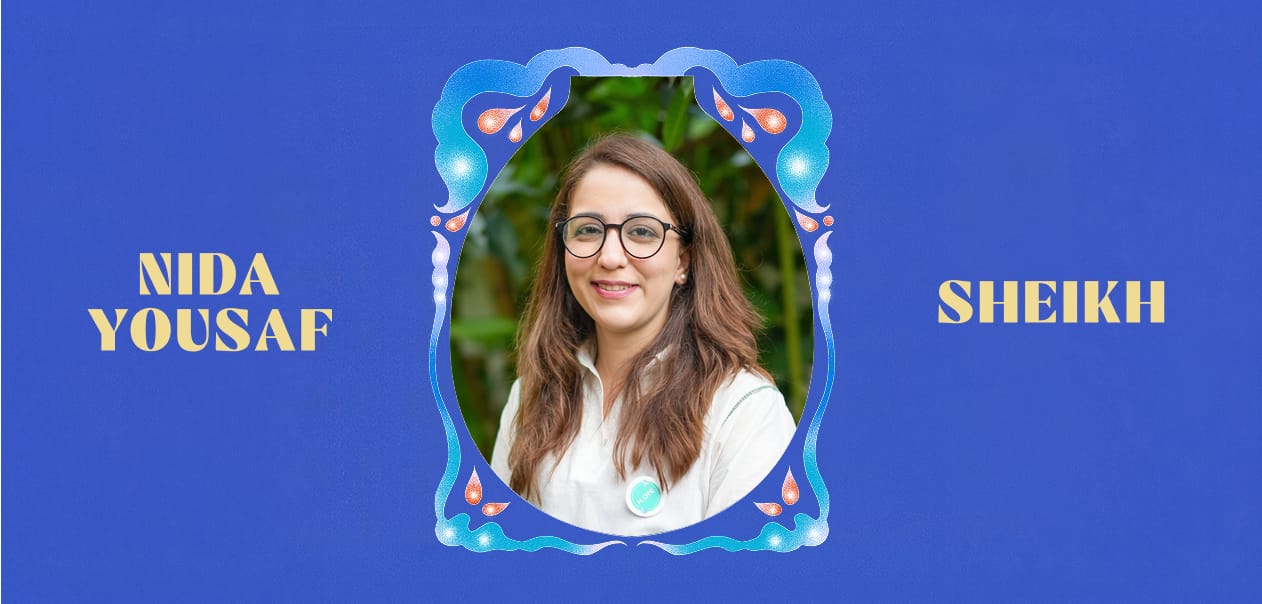
Nida Yousaf Sheikh
Clean water entrepreneur
Across rural Pakistan, a simple journey to collect water can consume hours of a woman's day. Nida Yousaf Sheikh believes the solution doesn't always have to be complex. As CEO and co-founder of Tayaba, she has pioneered practical, affordable technologies that make collecting water safer and less physically demanding. These include the H2O Wheel – a rolling container that enables women and children to transport up to 40 liters of water without carrying heavy loads on their heads – as well as solar-powered water systems and Pakistan's first air-to-water generator.
She is the first Pakistani social innovator to win One Young World’s global LEAD2030 Challenge Award for clean water and sanitation and was named one of UN Women's 30 for 2030 regional climate innovators.
Key quote: “Engaging with rural women, I saw their daily battle to access clean water and was heartbroken to see them reduced to the role of ‘water labourers’, with their dignity and well-being disregarded.”
Big win: Under Sheikh's leadership, Tayaba expanded from its core H2O Wheel initiative to H2O Solar water facilities and H2O Air devices that extract safe drinking water from moisture in the air. Following Pakistan's devastating 2022 floods, the organization also pioneered H2O Chain, a blockchain-powered platform built to track humanitarian aid and improve the transparent distribution of water and other essential supplies.
Global water access: Today, parts of Pakistan are facing severe drought and water scarcity and it is one of the world's most water-stressed countries. El Niño is likely to amplify this. Around 16 million people still lack access to clean water close to home – a burden that falls disproportionately on women and girls.
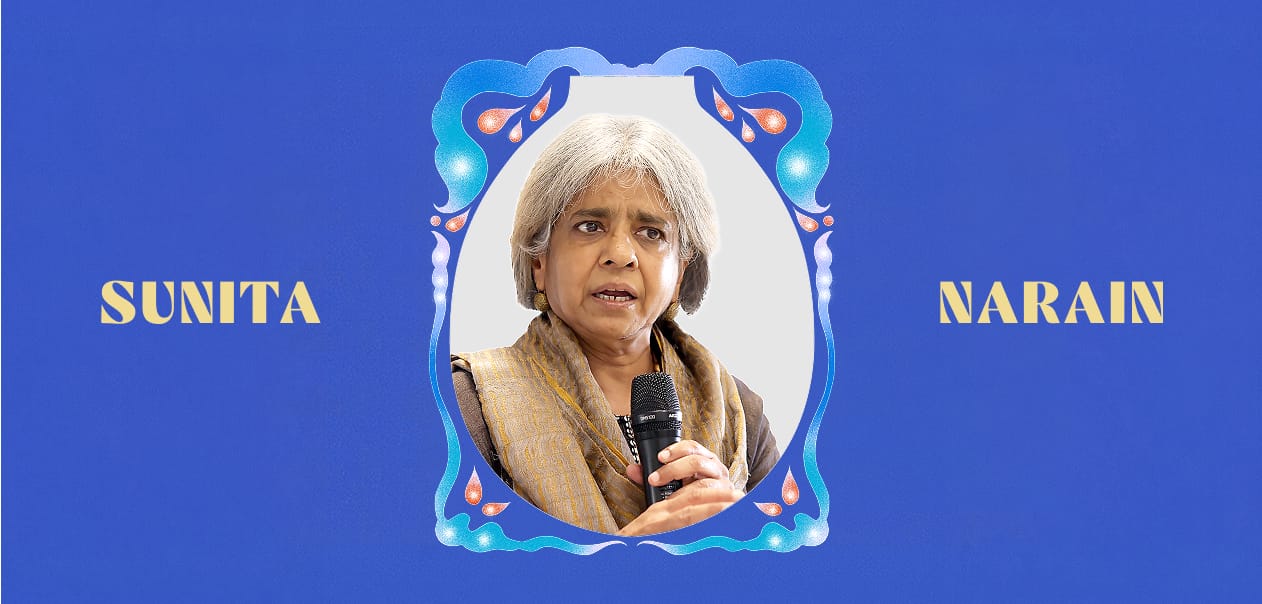
Sunita Narain
Environmentalist and author
For more than four decades, Sunita Narain has been one of India's most influential voices on water justice, championing practical solutions to water scarcity and climate change long before they became mainstream. As head of the New Delhi-based Centre for Science and Environment (CSE), she focuses on rainwater harvesting, decentralized wastewater treatment and promoting community-led water management. Through research, bestselling books and influential policy reports, she helped revive traditional water conservation practices – such as underground rainwater storage tanks – and shape India’s policy on sanitation and river restoration. Her advocacy has helped to raise recognition of the key role Indigenous and forest communities play in preserving the environment.
In 2005, Narain was awarded the Padma Shri, one of India's highest civilian honours, recognizing her contribution to environmental protection and sustainable development.
Key quote: “Water is the key to dealing with the twin challenges of poverty and growth.”
Big win: Led the public research group, CSE, to win the 2005 Stockholm Water Prize for helping build a “water-literate society” – showing how local solutions can transform water security in India and beyond.
Global water access: India has 18% of the world’s people but only 4% of its water resources. Some 600 million people face water stress, while floods and droughts are becoming more frequent. As of August 2026, 64% of farmland in India is experiencing drought stress due to insufficient rainfall.
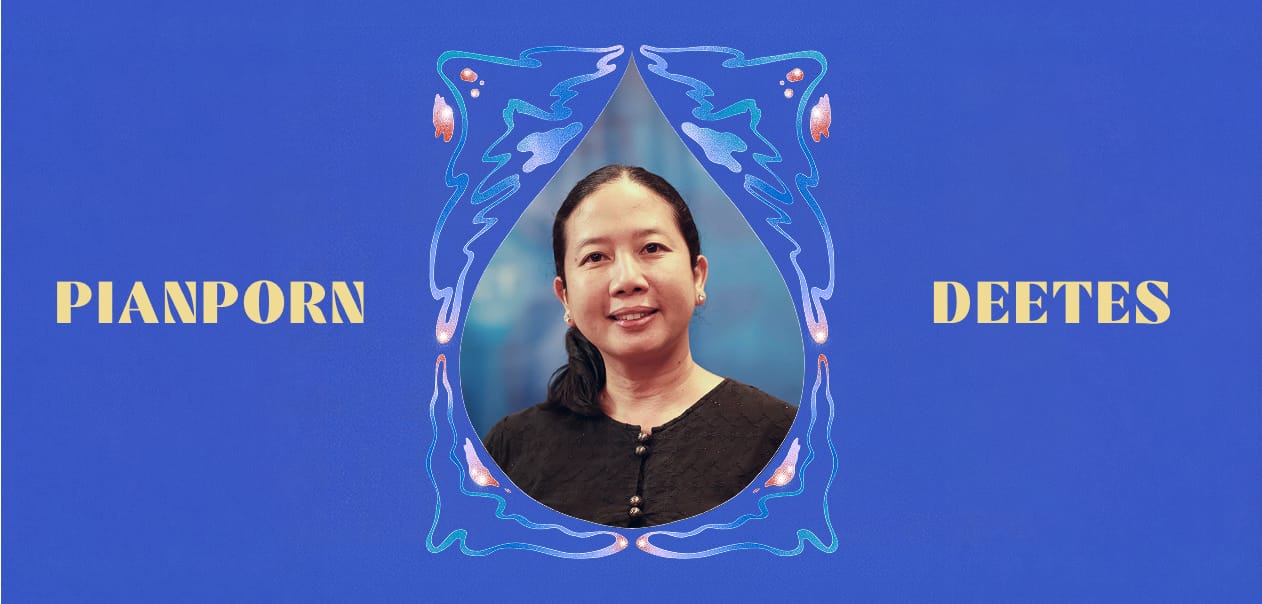
Pianporn Deetes
River rights campaigner
Pianporn ‘Pai’ Deetes isn’t tired of standing up to the government and industry titans. For decades, she has relentlessly campaigned to protect rivers in south-east Asia, particularly the Mekong and Salween, from extractive industries including heavy metal mining, hydropower dams, and “rapids-blasting” projects that involve dredging rivers and changing the flow and depth of water resources.
Executive director and co-founder of Rivers and Rights, Pai has also been tackling pollution due to illegal gold and rare earth mining in Myanmar, which is spilling over into Thailand and threatening water security, ecosystems, and public health. She makes countless trips to remote villages along the river to inform people about destructive industrial projects, empowering locals to safeguard their rivers, rights, and livelihoods.
Key quote: “The world is rightly moving away from fossil fuels … But, if the transition to clean energy depends on poisoned rivers, devastated ecosystems, and communities living with toxic contamination, this is not acceptable.”
Big win: Led a campaign that permanently cancelled the Mekong "rapids-blasting" project that would have blasted and dredged a river to create an industrial shipping corridor, protecting everyday water access for local people.
Water access: Roughly 80% of surface river water in the Asia-Pacific region is polluted, and an estimated 110 million people across south-east Asia live without access to safe drinking water.
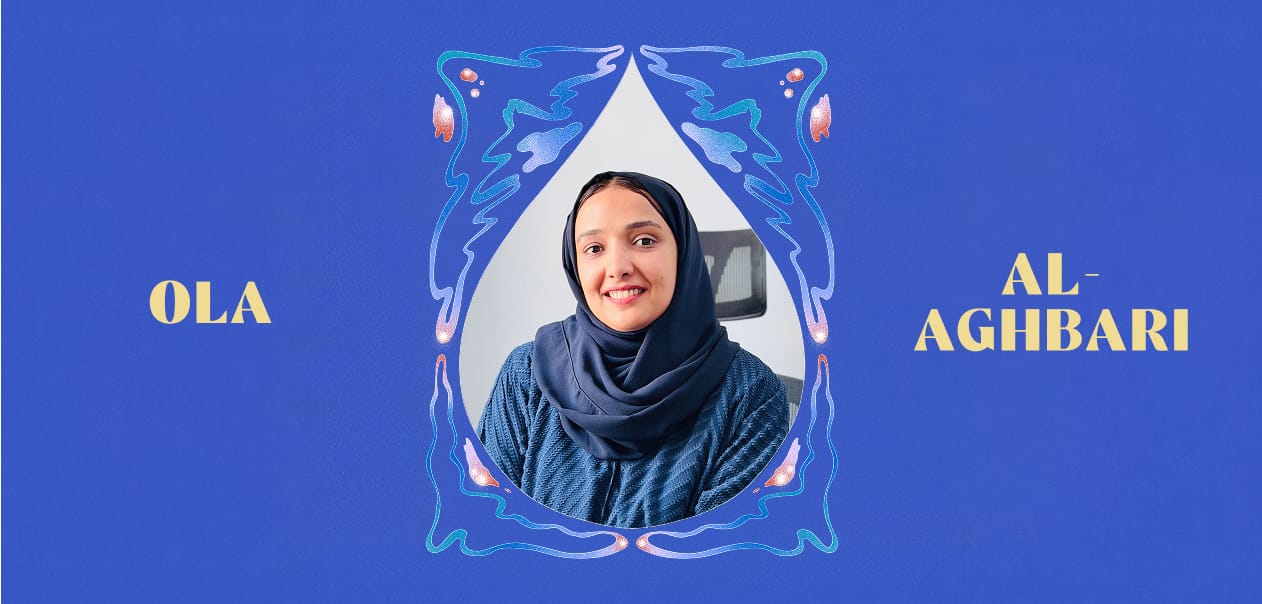
Ola Al-Aghbari
Water mediator and peacebuilder
In the historic walled city of Taiz, Yemen’s third-largest city, Ola Al-Aghbari emerged to lead mediation efforts with military actors to restore water access after the Houthis laid siege in 2015. With many residents facing severe water shortages and dependent on expensive trucked water, Al-Aghbari has brought different parties to the negotiating table, from local community and religious leaders to lawmakers in Taiz, to help improve water access. Her diplomacy contributed to a preliminary agreement in 2025, signed by representatives from both sides of the conflict, culminating in a roadmap to rebuild the damaged water sector.
The work of Al-Aghbari offers a rare example of the crucial role women can play as water diplomats in a country where women are rarely seen at the negotiating table and are largely absent from water conflict resolution.
Key quote: “[Initially], they wouldn’t accept me negotiating as a woman, but when they saw all the local leaders in the city in the alliance, all the religious men and local authorities from the city, they agreed to talk.”
Big win: In 2021, Al-Aghbari successfully mediated with military actors in Taiz to hand over reservoirs and wells to the local water authority, helping restore access to clean water for around 41,000 residents.
Water access: Yemen is one of the most water-scarce countries in the world. Only around half the population has access to basic drinking water services, while conflict has damaged water infrastructure and left millions dependent on humanitarian assistance.
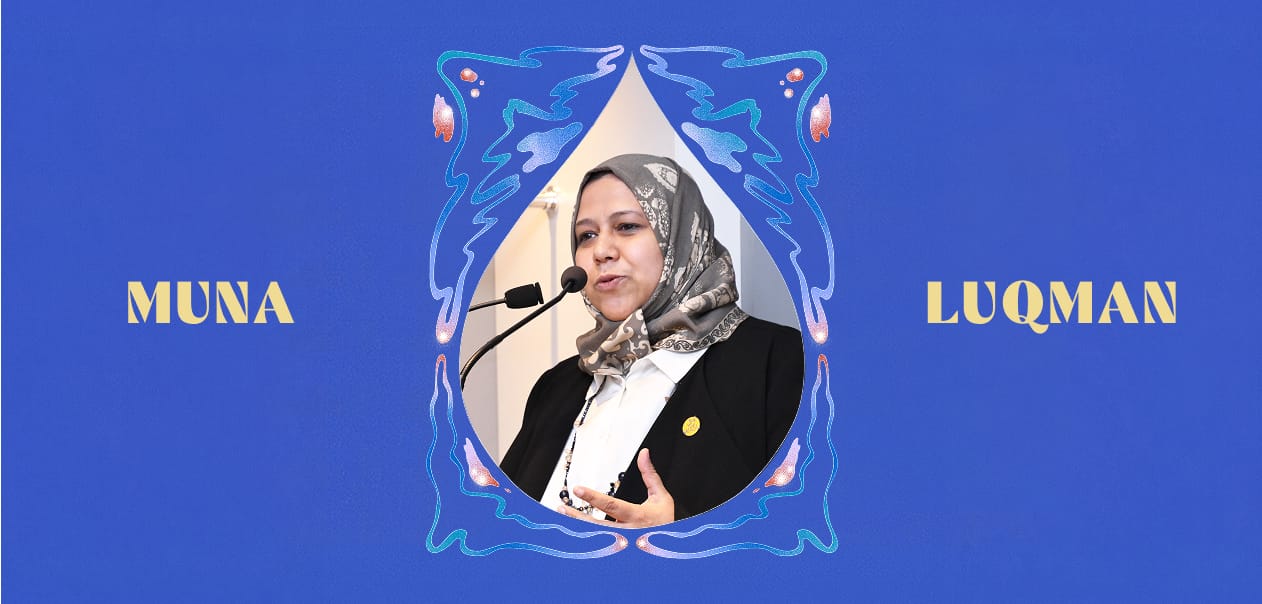
Muna Luqman
Water and peace campaigner
For Muna Luqman, water can be a pathway to peace. A Yemeni humanitarian and founder of Food4Humanity, Luqman has spent more than a decade helping communities negotiate access to water in one of the world's most water-scarce and conflict-affected countries. Rather than treating water shortages as a humanitarian issue alone, Luqman has used community-led water projects to defuse local disputes, reopen humanitarian corridors and reduce the burden on women and girls forced to travel long distances to collect water.
She has also become one of Yemen's leading advocates for women's inclusion in peace negotiations, regularly briefing the UN Security Council, the US Congress and policymakers on the links between water security, climate change and conflict. Her role as a water mediator and peace advocate has shown how restoring access to water can also help rebuild trust and social cohesion. Luqman now lives in Egypt after having to flee Yemen in 2016.
Key quote: “When you find a common interest it helps. Water was a common interest.”
Big win: Leading Water for Peace community initiatives that have provided clean water to more than 120,000 families in Yemen, while helping mediate local conflicts over scarce water resources, putting girls back in school and reducing child marriage in some communities.
Water access: Yemen has one of the world's most severe water crises driven by climate change and years of conflict. Women and girls often bear the greatest burden, walking long distances to collect water and facing heightened risks to their safety.
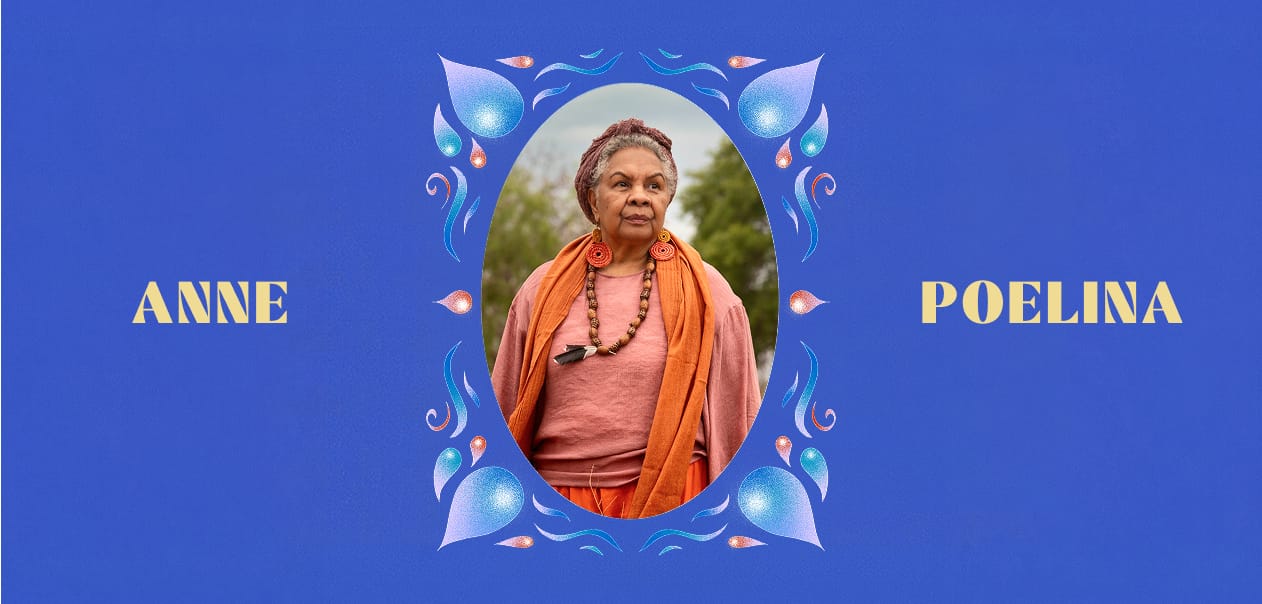
Anne Poelina
Professor and river rights advocate
Anne Poelina recognizes rivers as living ancestral beings – so much so that she names the Martuwarra River of Life as the first author in her published research articles. As a Nyikina Warrwa and Warlunguru woman, an Indigenous person of the Kimberley region of Western Australia, her people have long been the traditional custodians of the Martuwarra Fitzroy River. But over the years, the river has faced many threats, including drought, overuse of water for irrigation, and fracking.
In 2025, Poelina, a university professor, was appointed global commissioner for the World Health Organization Lancet Commission on Sea Level Rise, Health and Justice, while holding roles in other organizations that address water justice. Most recently, in June 2026, she, along with nine others, filed a legal case with the UN claiming the Australian government has violated their human rights by continuing to support fossil fuels in a country that is one of the world’s largest exporters of coal and gas.
Key quote: “When the river is healthy, our people are healthy. When the river suffers, our people suffer.”
Big win: Led the creation of an all-Indigenous peoples council that brought together senior elders across the Martuwarra Fitzroy River, culminating in a landmark UN Human Rights Committee legal complaint. It argued that government-backed fossil fuel expansion directly violates Indigenous human rights and cultural survival.
Water access: Australians in more than 400 remote or regional communities lack access to safe and clean drinking water, while about two million people – about 8% of Australia’s population – are excluded in national reporting on access to clean water.
How we made it
Countries our sources are in: 15
Cold emails sent: 25
Words written: 4,515
Visuals by Sandy Christ and Ethan Caliva. Edited by Anastasia Moloney, Charlie Brinkhurst-Cuff and Liz Ford. Campaign development by Eliza Anyangwe. Editorial campaign support by Climate Champions.
Visuals by Sandy Christ and Ethan Caliva. Edited by Anastasia Moloney, Charlie Brinkhurst-Cuff and Liz Ford. Campaign development by Eliza Anyangwe. Editorial campaign support by Climate Champions.