In Yemen's water-starved city of Taiz, women lead as mediators
In Taiz, a woman-led mediation committee achieved what years of military and political negotiation could not — restoring water access to thousands of city residents
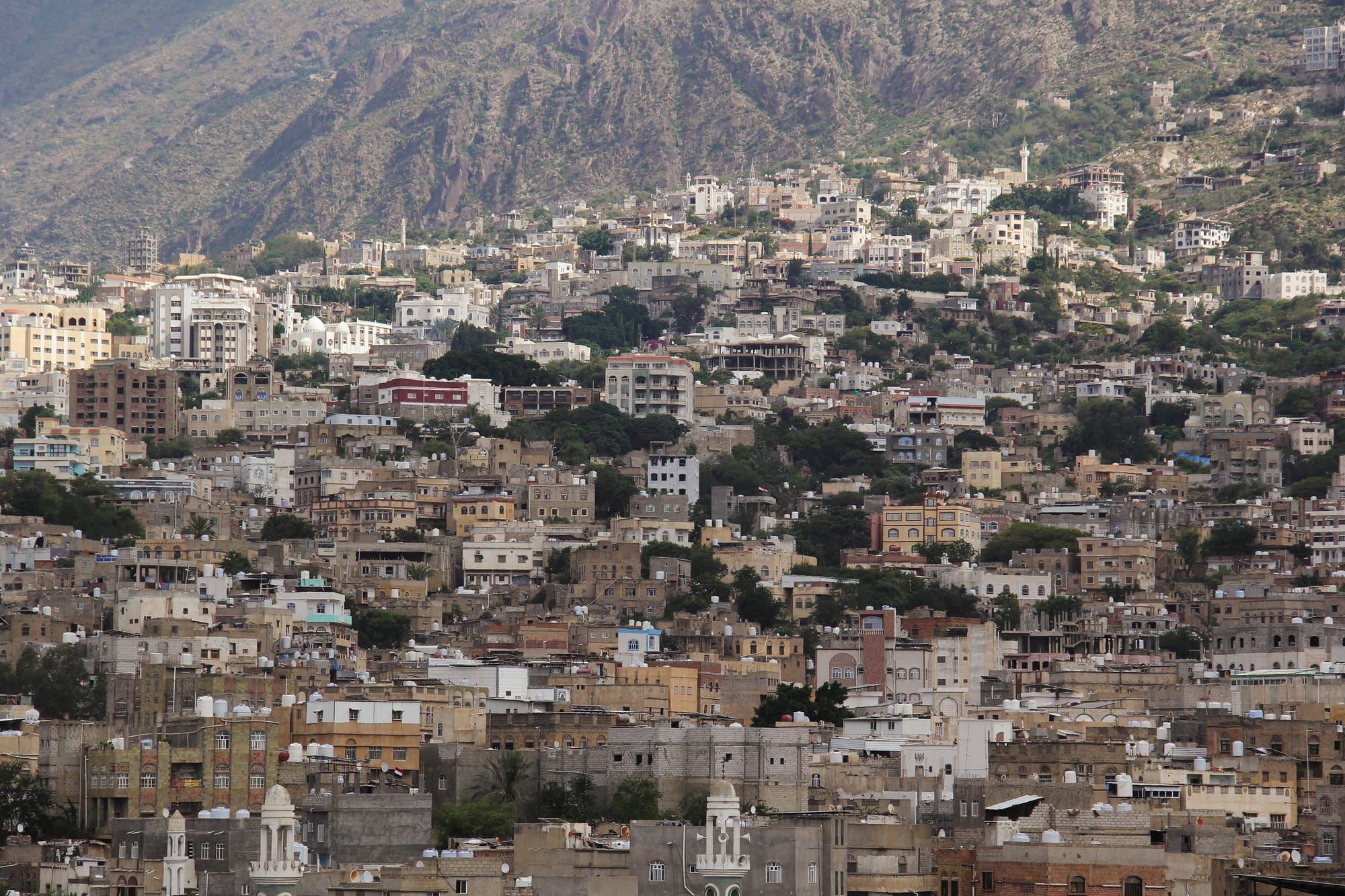
Taiz, Yemen – In February 2022 Ola Alaghbary’s negotiation skills were put to the test as she embarked on a dangerous six-hour journey in a shared, cramped taxi through contested mountainous territory from the city of Taiz, in southwest Yemen, to reach the Houthi-held al-Houban region.
At numerous military checkpoints, soldiers belonging to both warring sides – Houthi forces and the internationally recognized government troops – questioned why she was traveling without a male relative to serve as her guardian.
Upon arriving, Alaghbary and a female colleague entered a Houthi-controlled building where a military commander paused his interrupted meeting and demanded to know what they were doing there.
He assumed they had come about a personal matter – a detained relative, a private case. When the women explained they had come to discuss reactivating wells in Houthi-controlled areas and restoring water networks connecting to Taiz, he told them to leave and insisted he speak only to men about the issue.
The male colleague, who was not a relative and who had accompanied them, offered to speak on their behalf. But Alaghbary and her female colleague refused. They sat in the stairwell, among qat leaves, and then went back in, in defiance. “By God, we’re not leaving after all this effort,” she recalls saying. They eventually met with the negotiators and pressed their case.
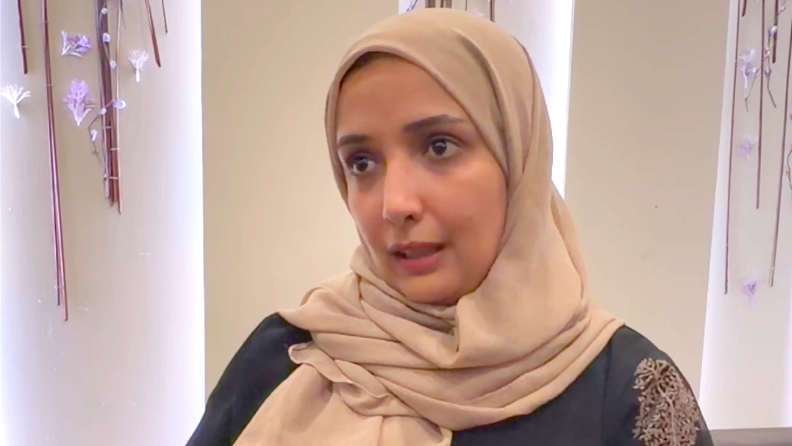
“When I entered this experience, I entered it with great naivety. Or if I can call it, innocence,” Alaghbary reflects. “I had no political skills. I didn't know about the parties to the conflict. Something instinctive drove me,” the thirty-something tells Fuller from her hometown of Taiz.
What that instinct produced, over time, was trust among various armed factions, religious leaders and government officials in her local community, as well as international organizations and aid groups, earning Alaghbary a reputation for being a successful water mediator and diplomat.
A city under siege
Taiz, Yemen’s third-largest city, has been a battle ground in the country’s 12-year civil war that broke out in 2014 between Iran-aligned Houthis and the Saudi-backed Yemeni government forces, each claiming legitimacy to rule.
Water was weaponized.
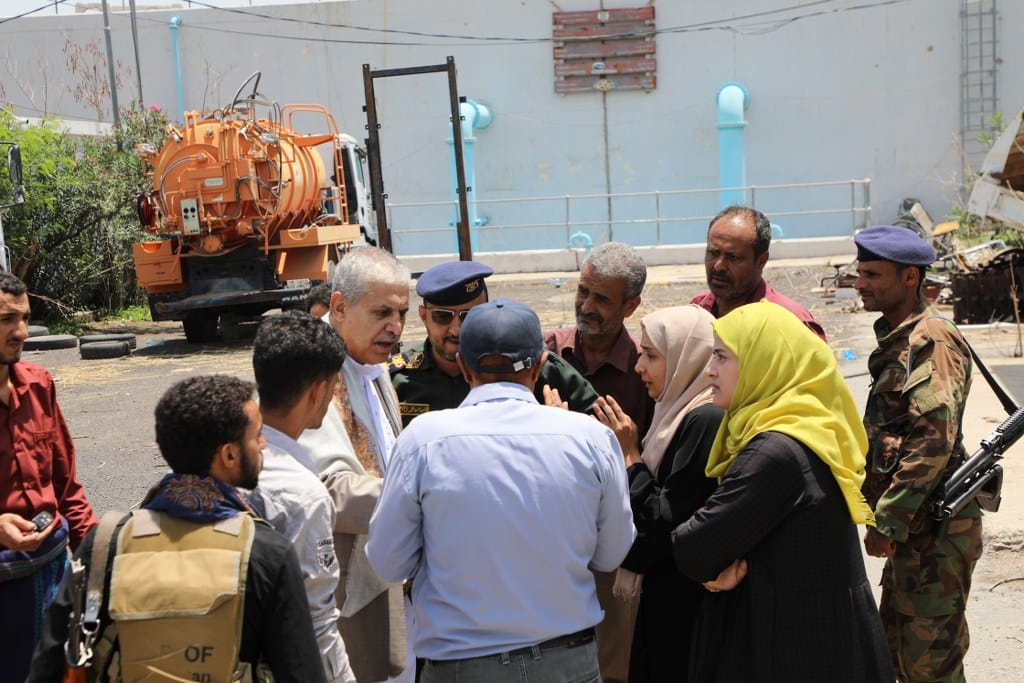
The main wells that once supplied the city with about 21 million liters of water a day fell outside city limits when the Houthis laid siege in 2015, according to Wathiq Al-Aghbari, director of the government-run Taiz water and sanitation corporation.
The Taiz Water Authority cut supplies, leaving city districts without water rather than allowing armed groups to profit from it. “Due to the war and siege, most wells stopped. What remained was a single emergency well inside the city, supplying five million liters,” he says.
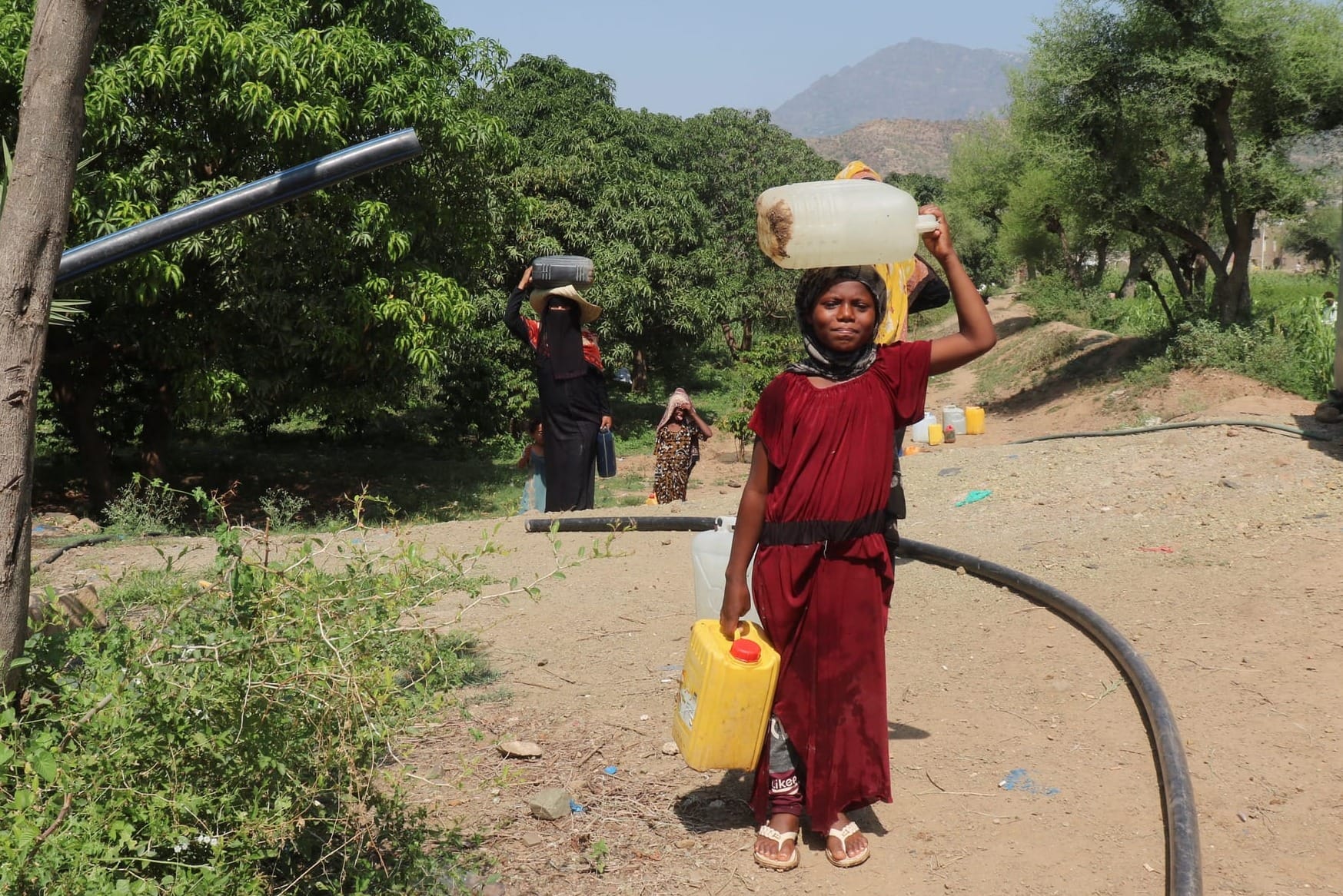
For the city’s population of roughly 600,000 people, the conflict has resulted in disrupted water supplies and has made collecting it, mostly a job done by women and girls, dangerous.
Water diplomacy
When war broke out, Alaghbary says her “hopes and dreams changed completely”. “I kept searching for an opportunity to build myself,” she says. That opportunity, when it arrived, came through water.
Alaghbary used water as a starting point for dialogue and peacebuilding, while navigating an environment where women are often sidelined from public and political life.
“I learned that conflicts over public services can be transformed into opportunities for dialogue and trust-building, even among parties that struggle to agree on major political issues,” she says. “However, sustaining these outcomes requires a genuine commitment to protecting public institutions and keeping essential services out of the conflict.”
Acute water stress
Yemen is one of the most water-scarce countries in the world, relying on rainfall and groundwater, both already affected by the climate crisis and expected to be further stressed by El Niño. Research by Yemen’s Sana’a University cited in a 2024 UNDP conflict assessment, found that 70 to 80% of disputes in rural Yemen are related to water.
The escalating conflict has brought severe restrictions to water supplies as fuel shortages threaten to bring water pumps to a halt, while the cost of trucked water has tripled since September, the United Nations (UN) has warned.
The fallout often lands on women and girls as they are mainly responsible for collecting water. They can spend several hours a day collecting water on foot, particularly in rural areas. Globally, women and girls spend 250 million hours every day collecting water, more than three times more than men and boys.
“There are many who were sniped while fetching water,” says Wathiq Al-Aghbari. “Young girls pulled out of schools to get water. It’s women who always fetch water.”
It is that burden – and the exclusion of women from negotiations among rival groups on how to improve access to water for city residents – that drew Alaghbary into water mediation.
Growing up in Hayfan, a rural district outside Taiz, Alaghbary was born into a middle-class family, sought by neighbors for solutions to their problems. They came first to her grandfather, then to her father – both men held the kind of social standing and prestige that made people trust them to settle disputes. “This embedded in my conscious mind the courage and confidence that, yes, I can resolve conflicts,” she says.
Her family’s support made the first steps possible: moving to the city and studying law at university. Alaghbary threw herself into civic life, working on upgrading lecture halls and building a cafeteria for female students, by reaching out to, and winning over, local traders and business leaders.
Achieving the unthinkable
Long before the civil war tore Yemen apart, the country ranked among the world’s worst in gender equality. In 2023, it was placed 184th out of 193 countries on the UNDP’s Gender Inequality Index. Women remain largely excluded from formal political and peace negotiations nationally.
Yet, despite the cultural and social barriers, Alaghbary was able to build a career in mediation in Taiz, and when war broke out to start negotiating with armed men.
Formal political and military negotiations had failed to break the deadlock over water supplies. Alaghbary formed a mediation committee in an attempt to resolve the stalemate.
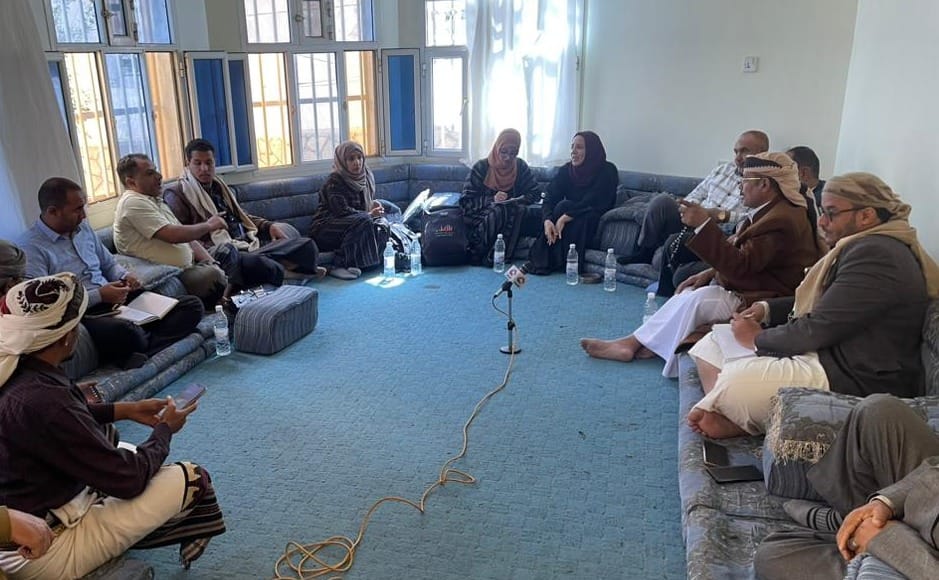
The women-led committee she assembled was unusual from the start. Alongside civil society representatives and technical water experts, she invited a tribal leader, a Chamber of Commerce delegate, a female lawyer, and a local caricaturist whose satirical work had earned him the trust of ordinary residents.
“They [government and Houthi leaders] began to take us seriously. They began to negotiate with us properly, after they had ignored us and tried to avoid us,” Alaghbary says.
The committee worked two parallel tracks: persuading the military commanders who controlled the nine storage tanks to hand them over to the water corporation in Taiz; and negotiating with militants from the Houthi-controlled al-Houban region to restore pumping from the main wells outside the city.
The first breakthrough came in September 2021. The committee achieved what years of military negotiation had not — the nine storage tanks and other key water facilities, under the control of armed factions, were returned to public management. Alaghbary’s efforts also helped secure preliminary approval from authorities in al-Houban to reactivate idle wells.
“Our goal was never to stop at simply resuming pumping. We worked with stakeholders to develop a roadmap for the sustainable restoration of water services … I believe that the water crisis in Taiz cannot be solved solely by repairing wells and networks, important as that is,” Alaghbary says.
“We also need public institutions capable of managing their resources, cooperating with each other, and continuing to provide services to the people, even under complex political and security conditions,” she adds.
That 2021 journey eventually bore fruit. Following the intervention of the UN, water was pumped from al-Houban into Taiz for the first time in 2025. It lasted one month before a fuel supply dispute halted the pumping.
“The water crisis in Taiz isn’t resolved,” Wathiq Al-Aghbari says.
But the committee has shown women can take the lead and get results even though their contributions often go unrecognized.
“I believe the time has come for this expertise to be reflected in formal peace processes, and for Yemeni women to have real opportunities to participate in negotiations and decision-making regarding their country's future, not just a symbolic presence,” says Alaghbary, who founded the Sheba Youth Foundation for Development, a non-profit in Taiz, to provide training in peacebuilding, leadership and conflict resolution for women and young people.
Women’s participation in negotiations also means a durable peace is more likely. Research shows that peace agreements with women signatories have higher rates of implementation and last longer.
Looking to the future
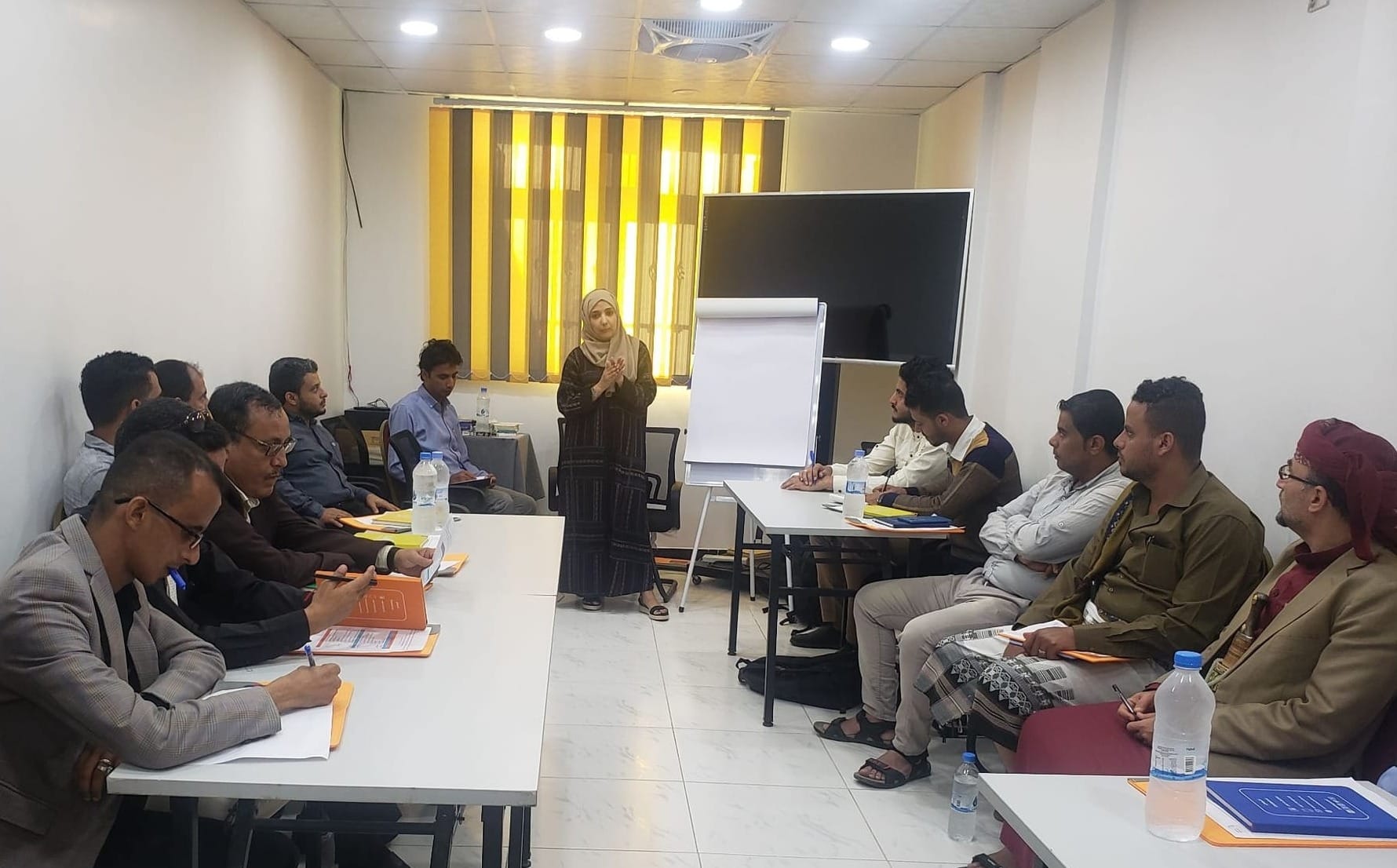
With international funding, Alaghbary and her colleague, Mu’een Al-Ubaidi, have worked with local partners to train 10 young women in political analysis and negotiation skills. Some of these women have been involved in water-related mediation.
“Women of Taiz possess enormous power and capability,” says Walaa Ubaid, the foundation’s project coordinator and one of the women Alaghbary trained. “But working in this space – in a sensitive issue tied to people’s daily lives – proved that women are not just affected by conflict or recipients of services. They are solution-makers, mediators capable of leading complex dialogues in the darkest of circumstances.”
For Ubaid, the experience of working on projects to restore water access and repair damaged water infrastructure was more than about strengthening her leadership and professional skills. “It wasn’t just a work assignment. It was a lived experience that had a deep impact. The real weight and actual empowerment came through direct experience and live field work.”
As the conflict escalates, today, only 21 of the city’s 88 public wells are operational, and the network they feed reaches only 30% of residents, according to Wathiq Al-Aghbari. For everyone else, water arrives by private tanker trucks.
While negotiations on water access have halted, following renewed fighting between the Houthis and the government in September and a lack of local and international funding, Alaghbary and her female negotiators are armed with proposals, determination and skill to resolve Taiz’s water issues.
“We’ve seen how women have been able to work on extremely complex issues in the context of war, and I believe their experience should be an essential part of any future peace process in Yemen,” says Alaghbary, who is now studying for a Master’s degree in public administration at the American University in Cairo.
“For me, peace isn’t just about stopping the fighting. It also means restoring the capacity of state institutions to serve the people, rebuilding trust within society, and ensuring that women and youth play a fundamental role in building Yemen’s future,” she says.
Edited by Anastasia Moloney and Liz Ford
Edited by Anastasia Moloney and Liz Ford