The unbalanced sheet: What it costs to be a woman
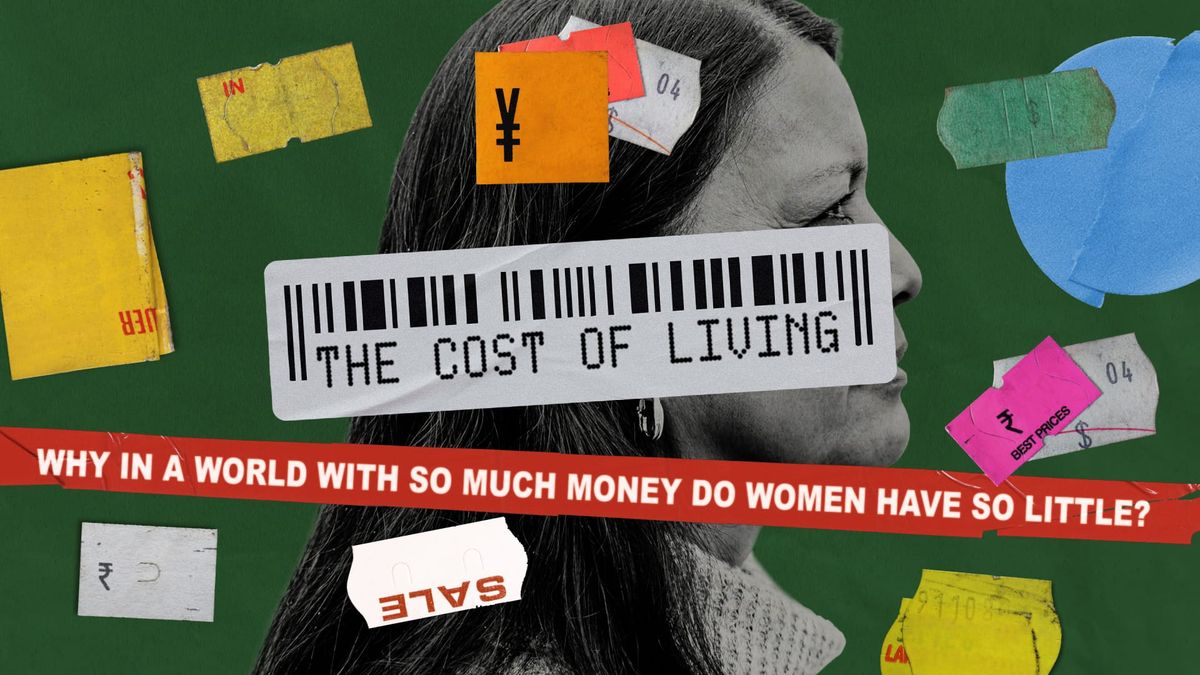
01.Fuller's fourth edition focuses on the human costs of a global economy not designed to work for people or planet – and finds alternative visions
01.Fuller's fourth edition focuses on the human costs of a global economy not designed to work for people or planet – and finds alternative visions
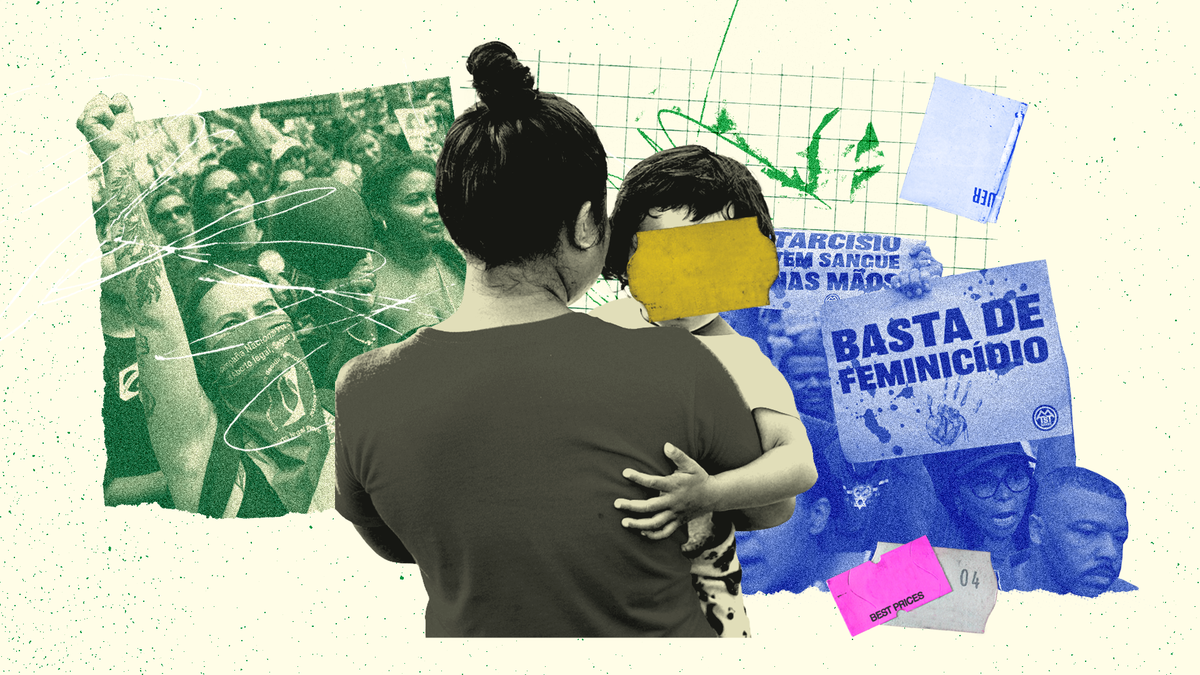
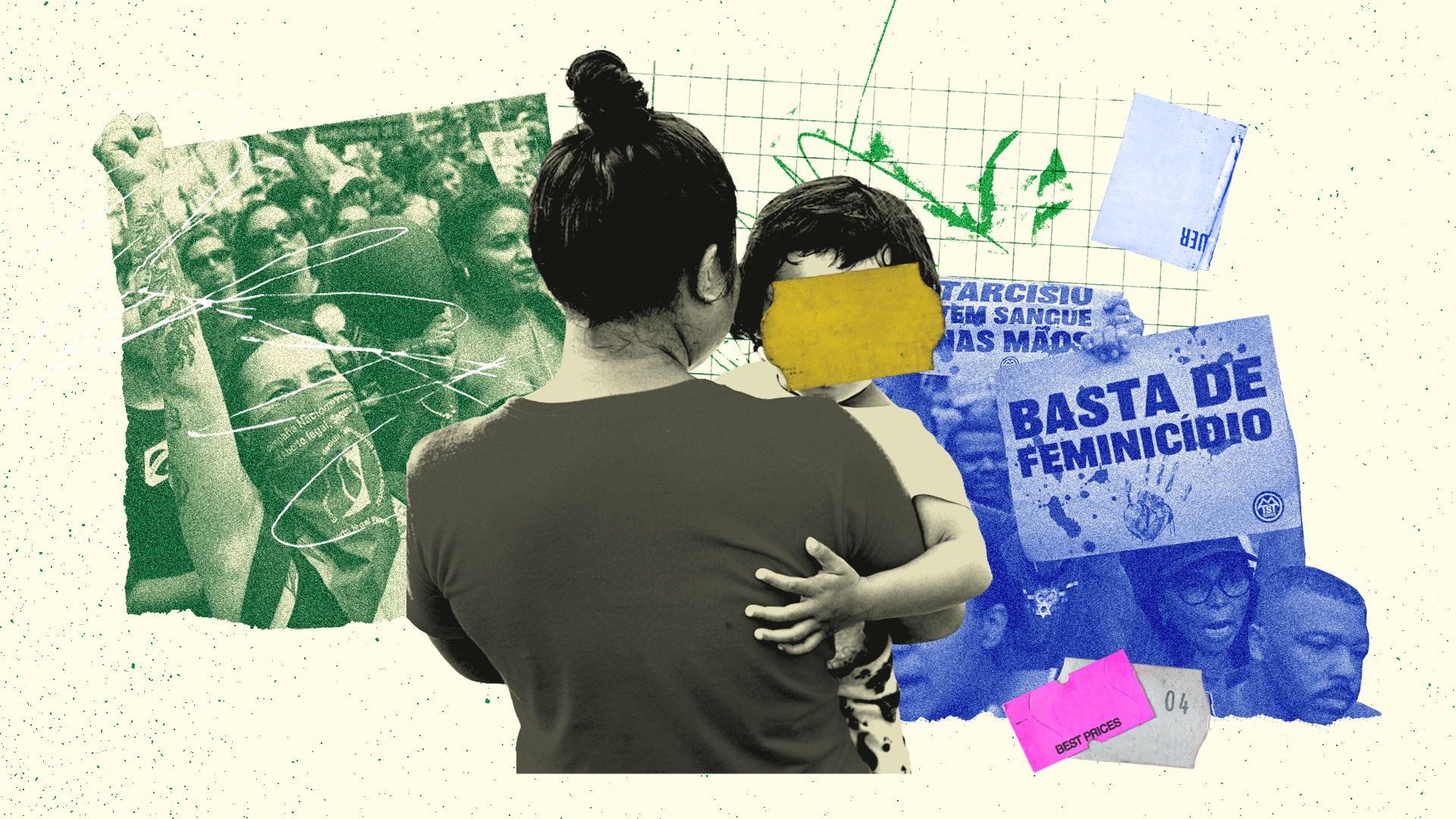
03.Child support claims are rising rapidly in Brazil. But for some women, demanding support for their children can provoke threats, abuse and even femicide
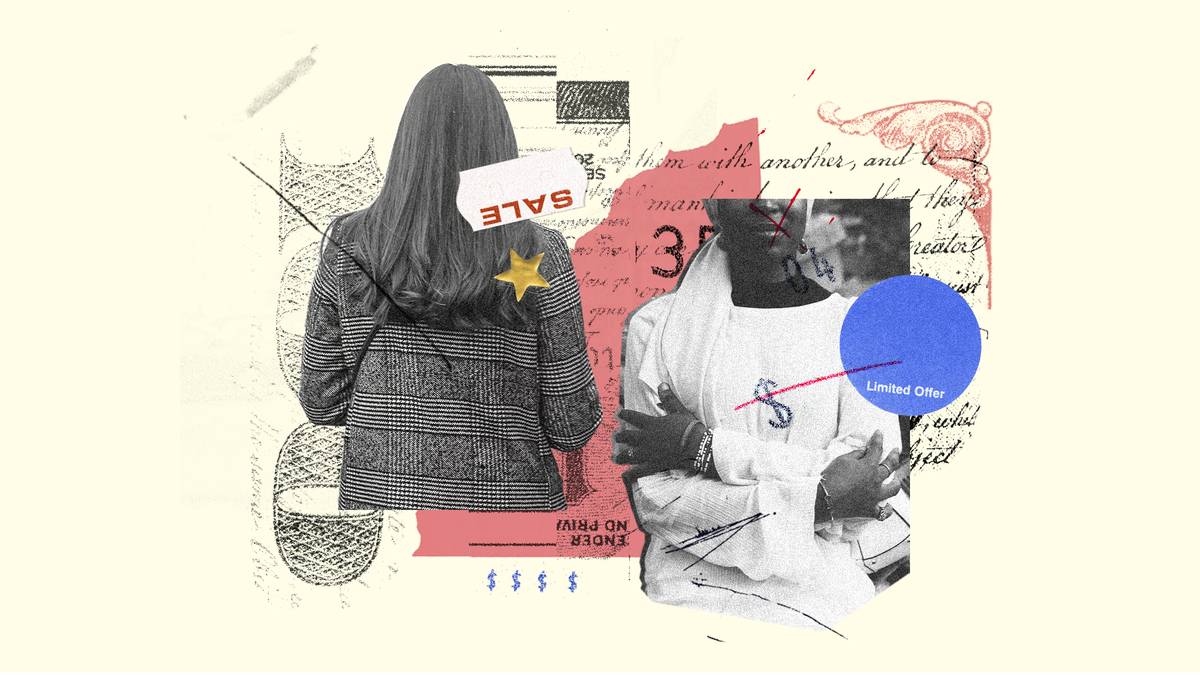
04.In the US, wealth reflects whose work is valued. That women are on the losing end of our economic system is no accident, writes sociologist Anna Malaika Tubbs
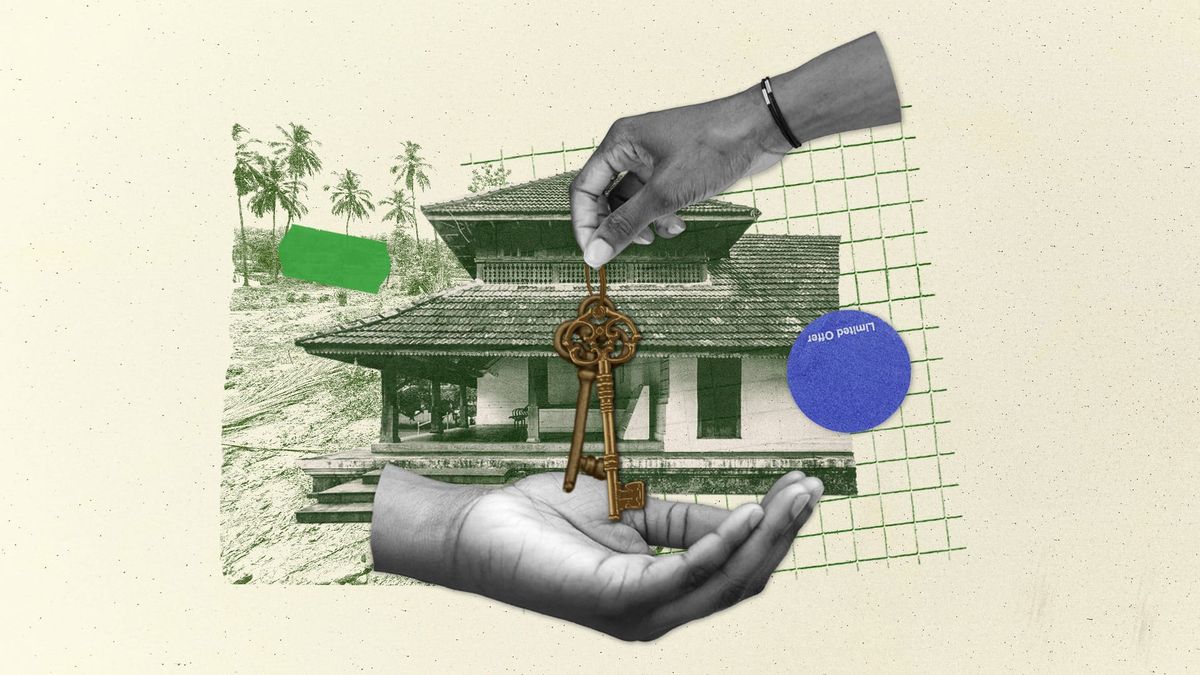
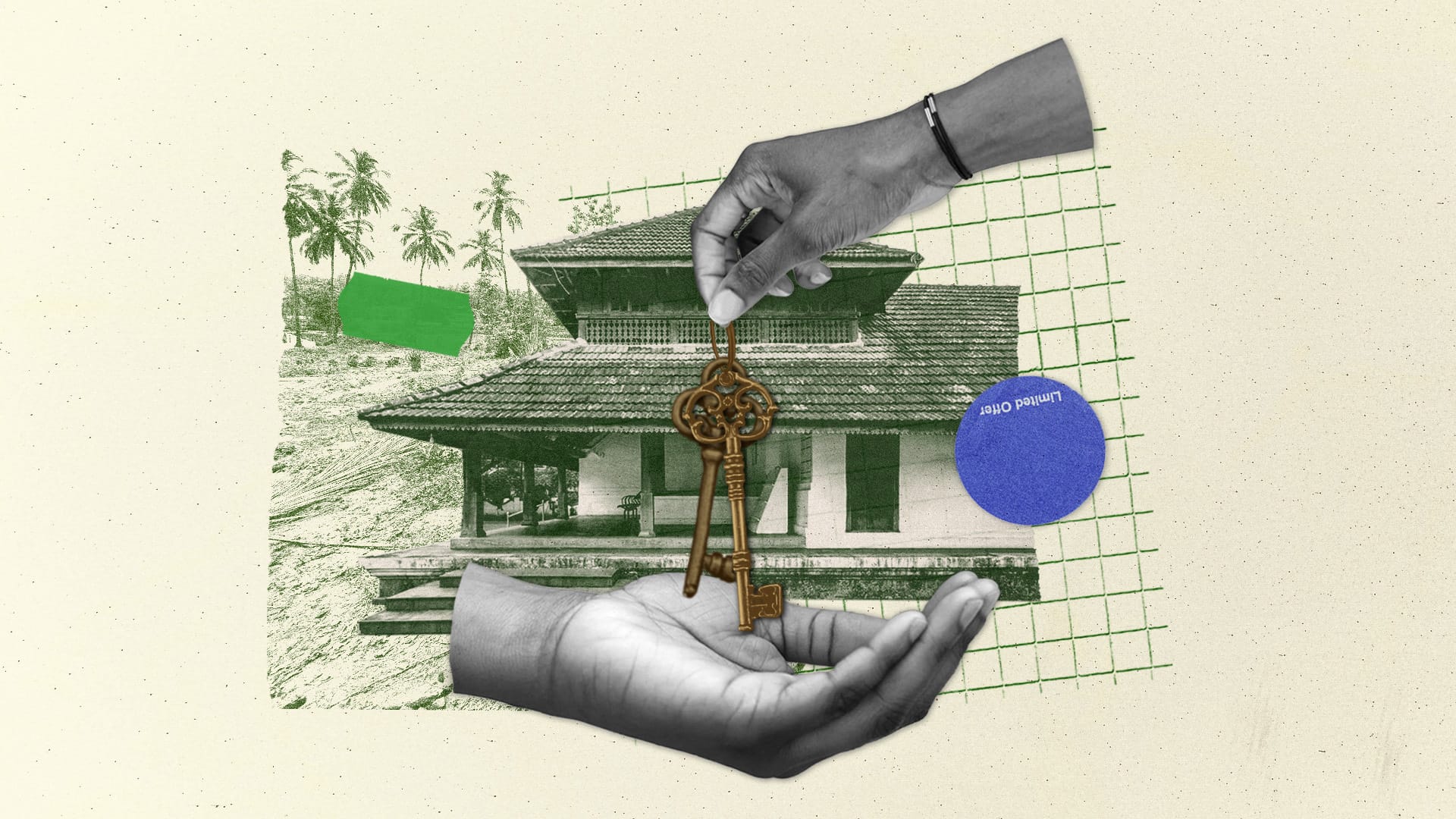
05.The descendant of a multi-generational matrilineal household in South India, Megha Mohan knows that women’s poverty isn’t an inevitability. History has shown her the truth
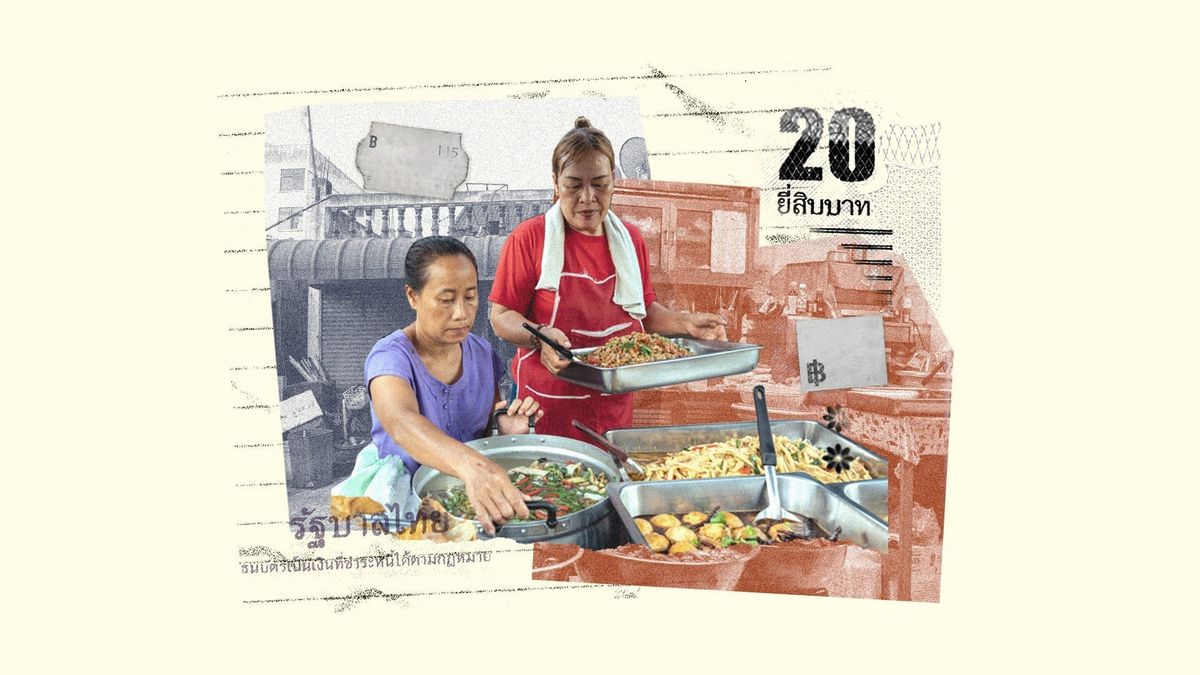
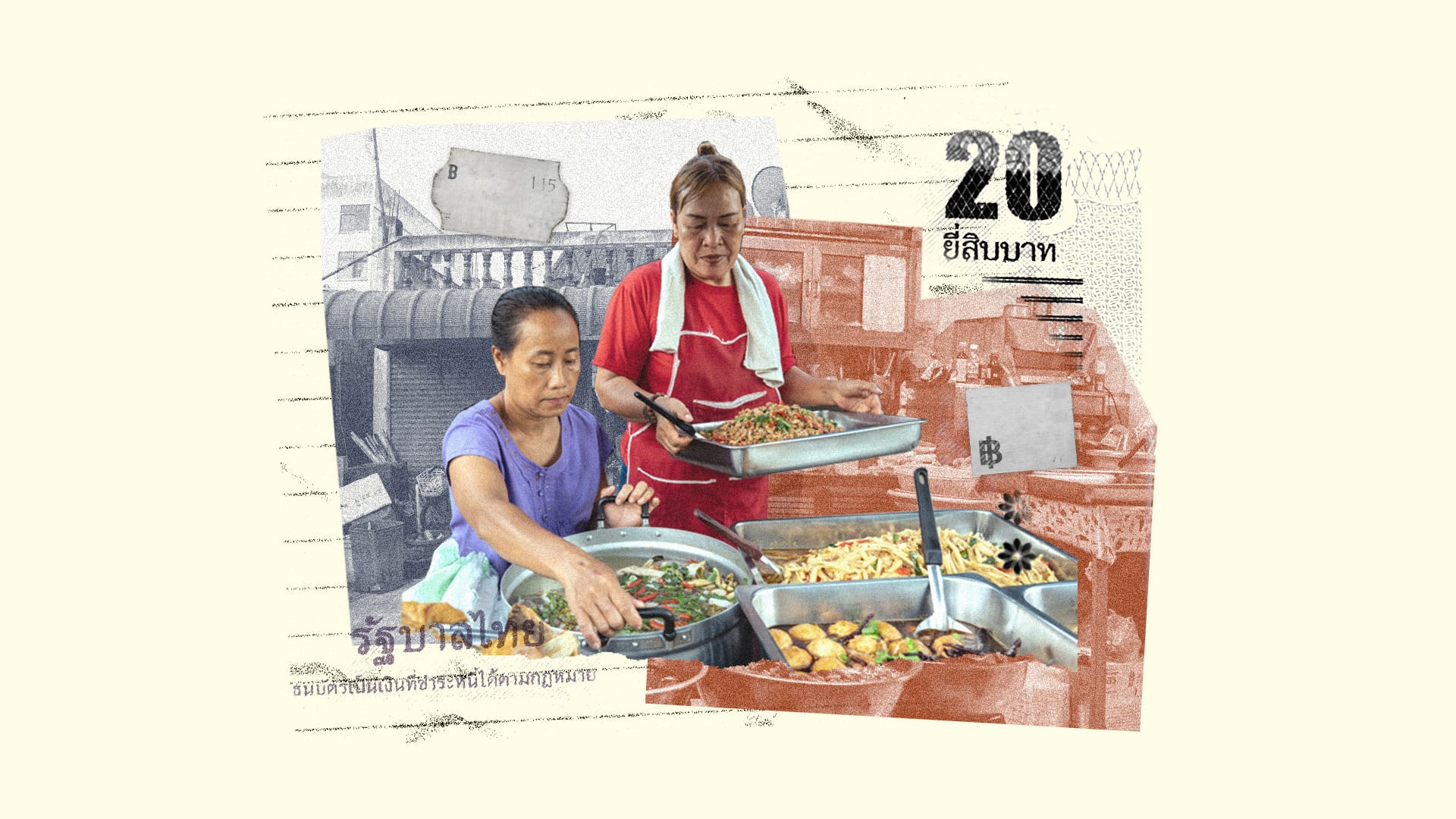
08.The US attack on Iran and the resulting blockage of the Strait of Hormuz have sent fuel prices soaring and disrupted economies around the world. In Thailand, Fuller follows the women street vendors struggling to stay afloat as the cost of doing business rises

09.The lifelong organizer discusses the invisible caregiving crisis in the US – and why building a new social contract around care is our best defense against automation and AI job displacement
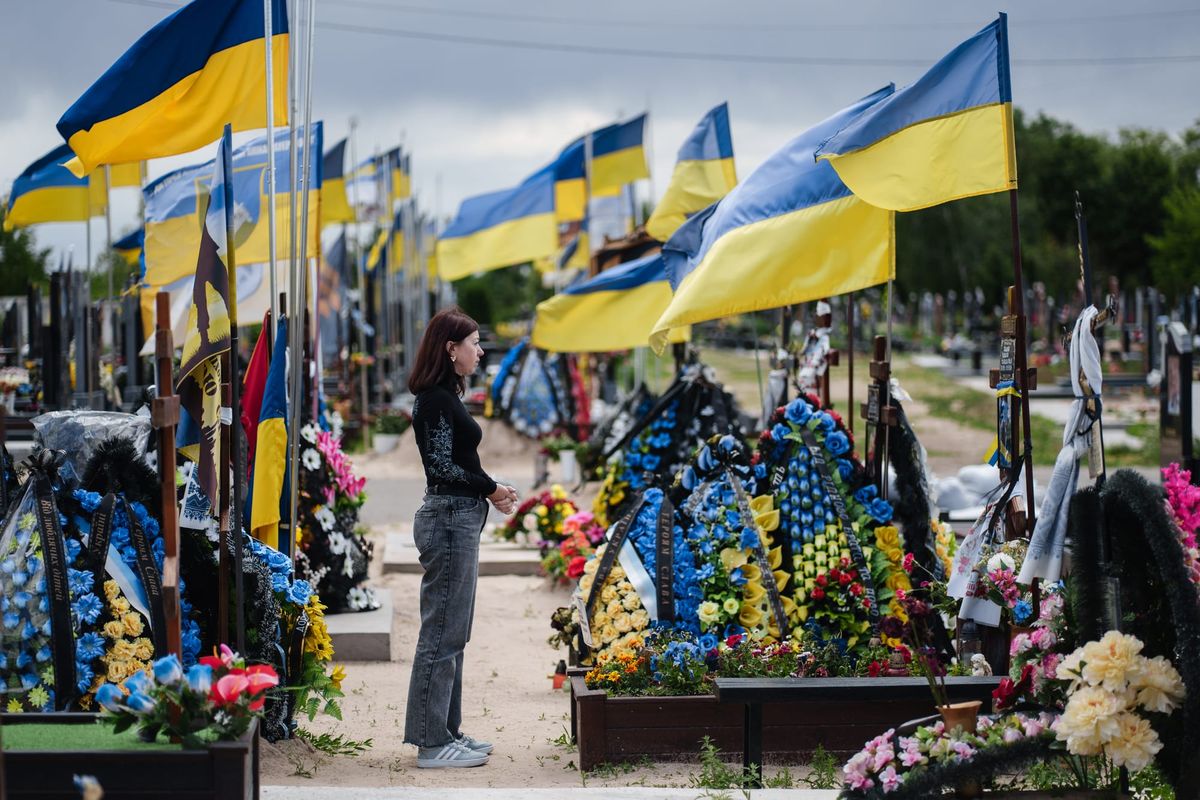
10.Their husbands died defending Ukraine. But for reasons outside of their control, these women haven't been able to claim the thousands they believe are owed to them by the government
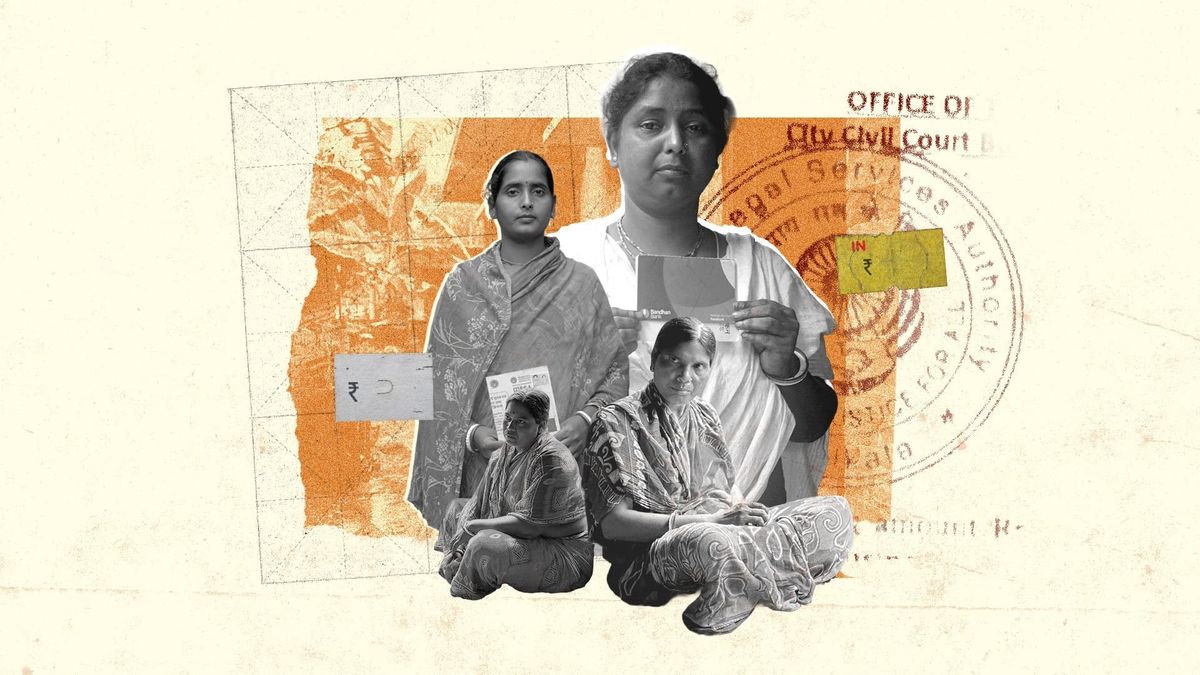
11.Microfinance promised women’s empowerment. But in West Bengal, where the practice has grown exponentially in the past decade, women are dying, disappearing, and getting stuck in endless cycles of debt
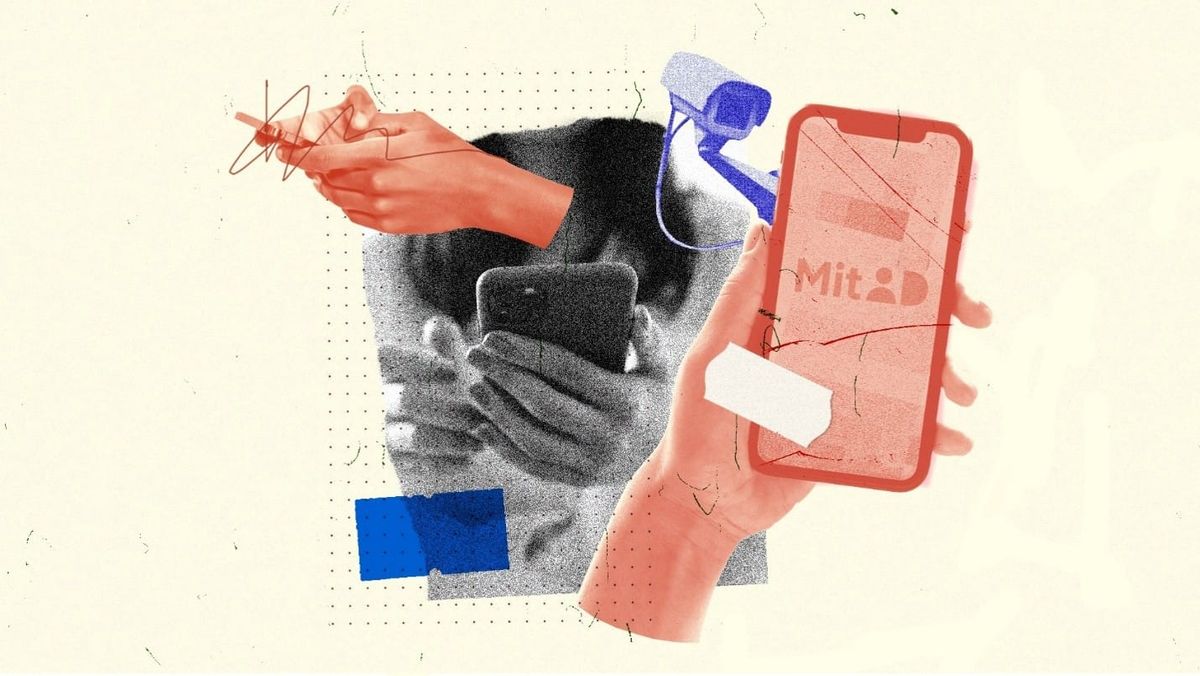
12.Economic violence against women through the use of digital IDs is a growing, rarely recognized problem in Denmark and across Europe
For our Cost of Living edition, which explores what it costs to be a woman or gender-diverse person, visuals editor Gabrielle Smith considered invisible labor, the pink tax and the importance of showing commodification in a literal way. Read on to discover more about her artistic process.
How did you approach developing the visual identity for this edition?
My initial thinking behind the visual approach for this edition was based on my research into already-existing illustrations around the ‘pink tax’ and my own observations on the ways in which these ‘costs’ are often spoken about and reported on.
When thinking about things like ‘invisible labor’, how across many industries and societally the perception of women and gender diverse people comes at a ‘cost’. I wanted to take a more literal approach to what that cost looks like by using price tags and stickers as a way to portray a much more visible, tangible version of something that’s usually hidden in plain sight.
A price sticker or barcode is something everyone recognises instantly, even if the actual costs tied to being a woman or gender-diverse person aren’t as widely understood, making it a simple, familiar way to highlight a disparity that often goes unnoticed.
As you worked, what did you learn, related to the theme of the edition, that most surprised you?
What resonated with me the most was the vast ways in which these inequalities exist, and how connected they are, regardless of where the women featured in each story were located. Coming from a family that also participated in sou sou’s – a type of rotating savings club – Megha Mohan's piece about parallel economies and how the legacy of matrilineal practices are held also felt familiar.
Lead visuals by Gabrielle Smith. Edited by Charlie Brinkhurst-Cuff and Erica Hensley
Lead visuals by Gabrielle Smith. Edited by Charlie Brinkhurst-Cuff and Erica Hensley
Data can be a powerful tool for understanding economic inequality. It helps reveal where women earn less, spend more time on unpaid work, or face barriers to financial independence. It also allows us to compare inequalities across different countries by using a common set of measures.
But data is only as good as what gets counted. Numbers aren't inherently objective or neutral. They reflect historical biases in what is measured, how it is measured and what is left out altogether.
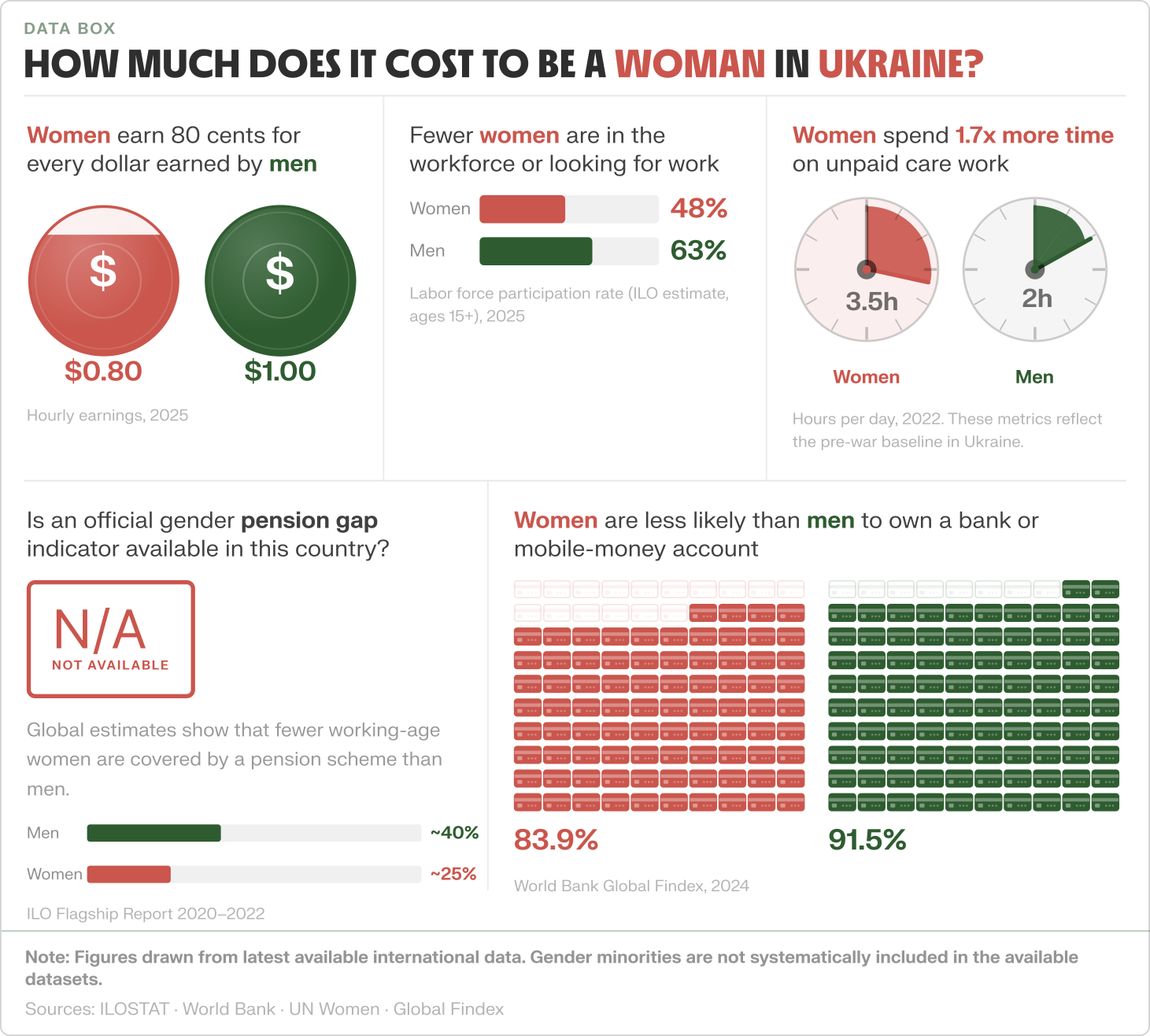
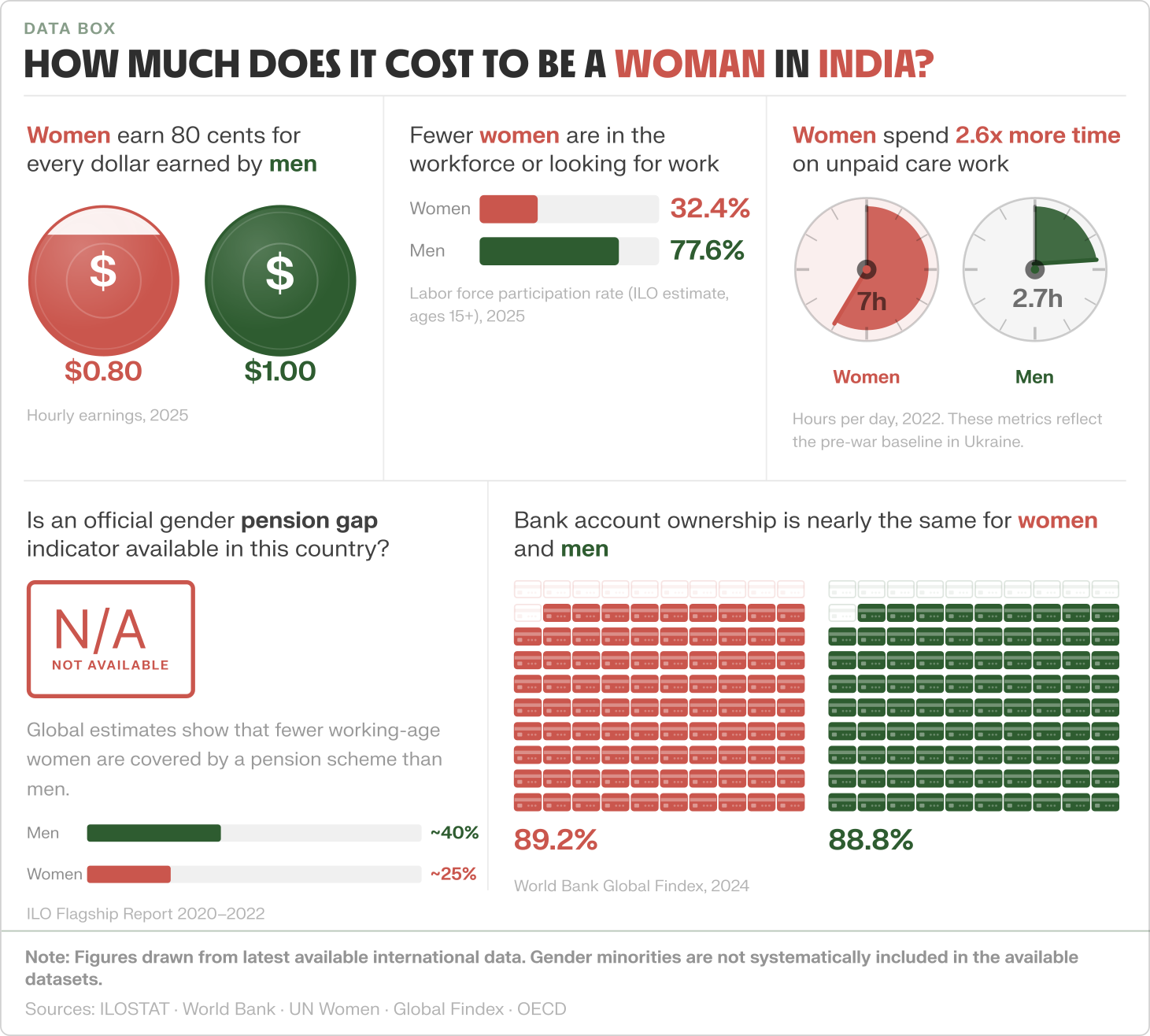
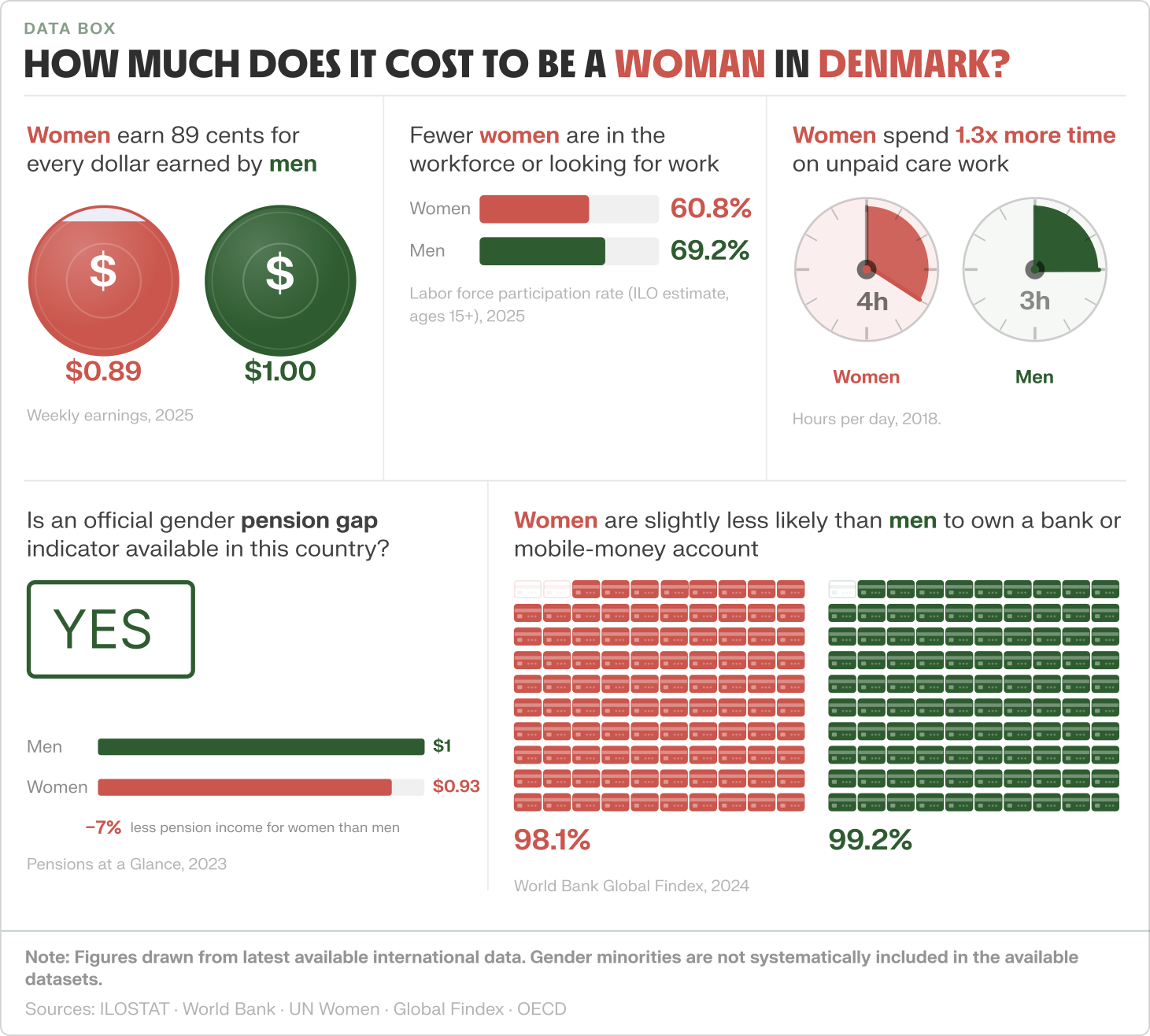
For the Cost of Living edition, I was tasked with building a consistent set of data boxes across the seven countries featured in our reporting, using comparable indicators of women and gender minorities’ economic participation and financial inclusion. What I found tells a story – just as much as what I didn’t find.
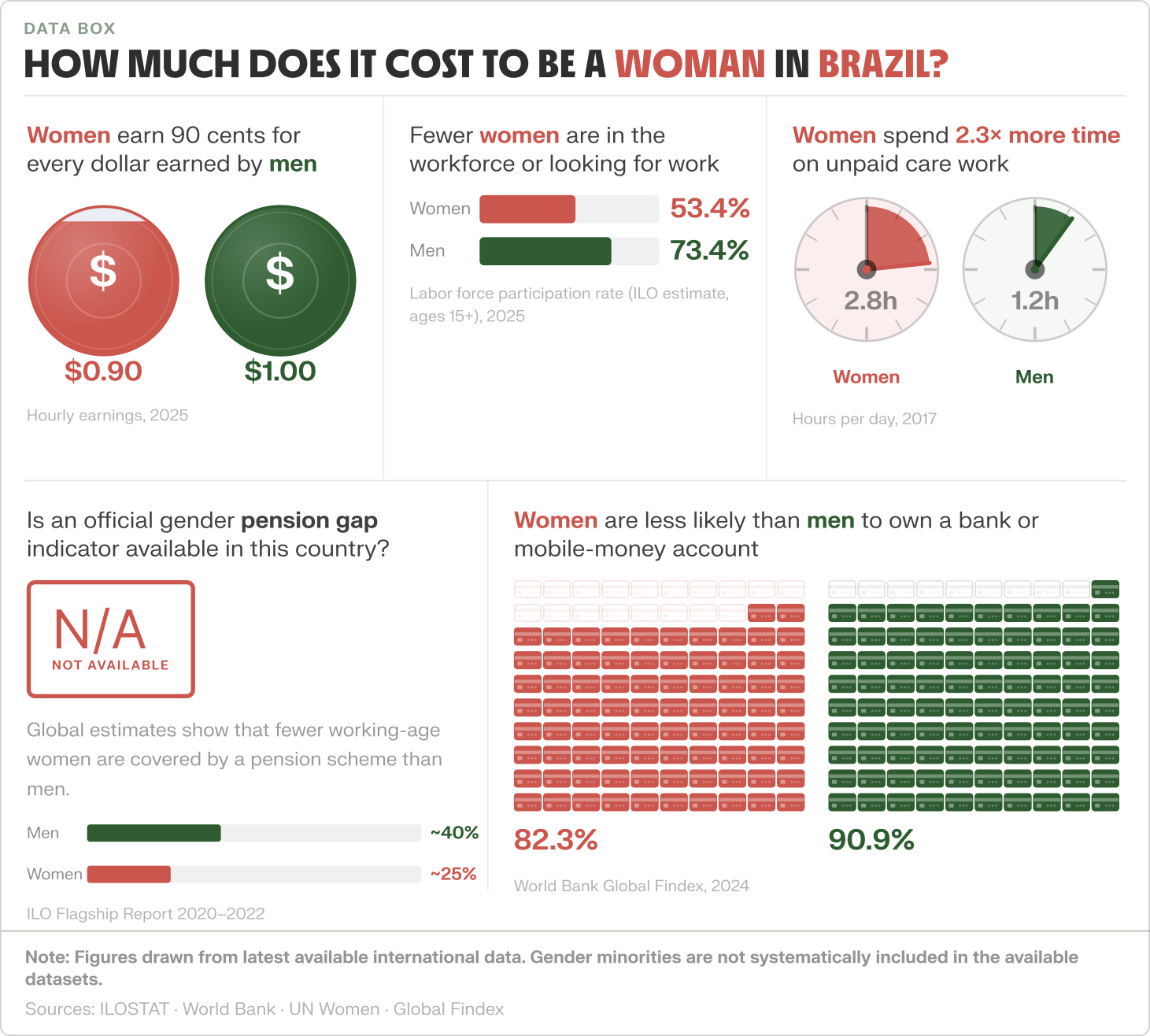
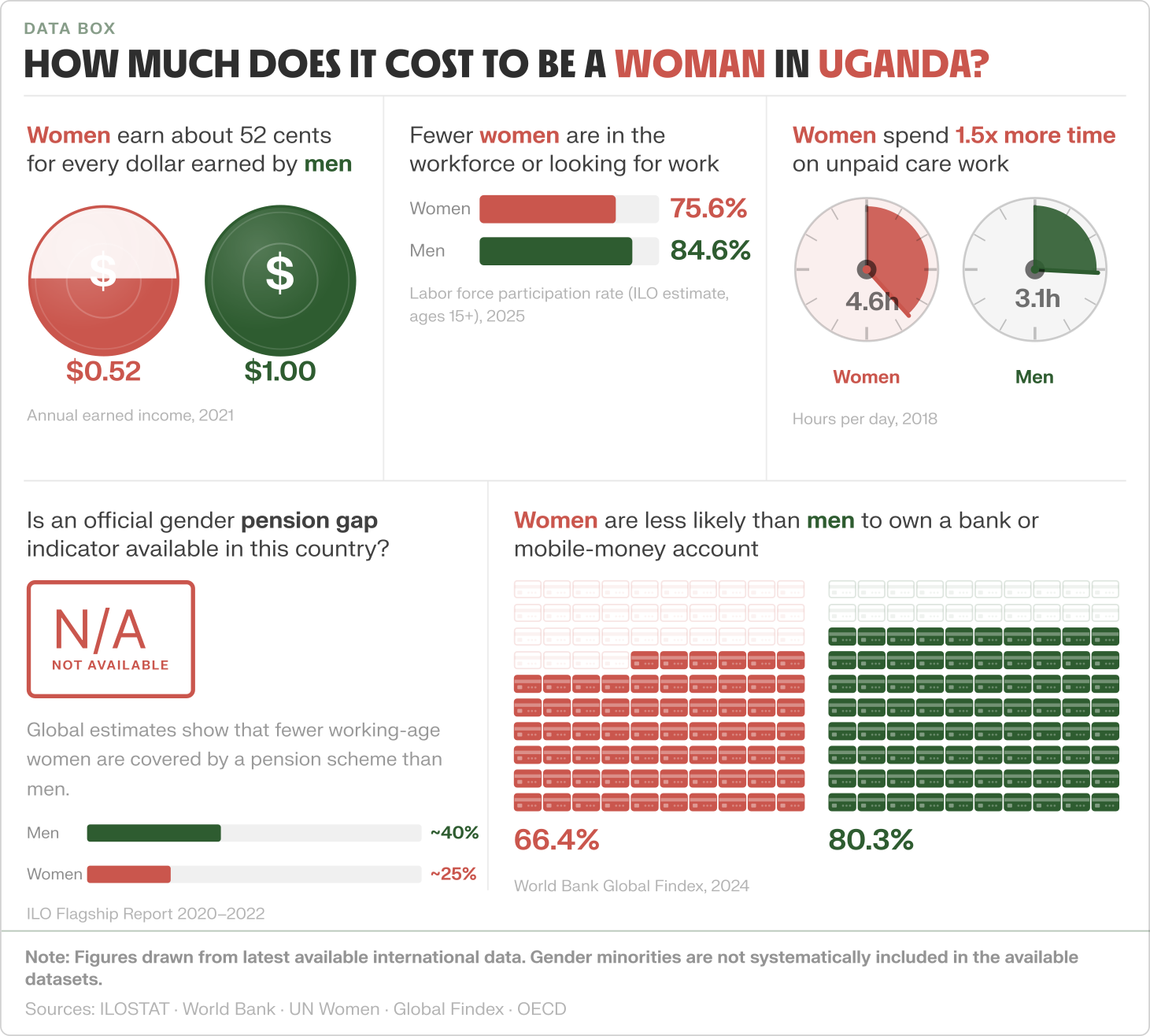
We started with a few simple questions. For example: how much do women earn compared to men? How likely are they to be in the formal labor market, as opposed to working in the informal sector? How much unpaid care do they do? Do they have access to basic financial services such as a bank account, as well as social protection?
To draw meaningful cross-country comparisons, we needed indicators that were sex-disaggregated, updated regularly and measured using consistent methodologies. We searched for datasets from international organizations such as the International Labour Organization (ILO), the World Bank and UN Women, rather than country-specific surveys or administrative records that depended on national welfare design.
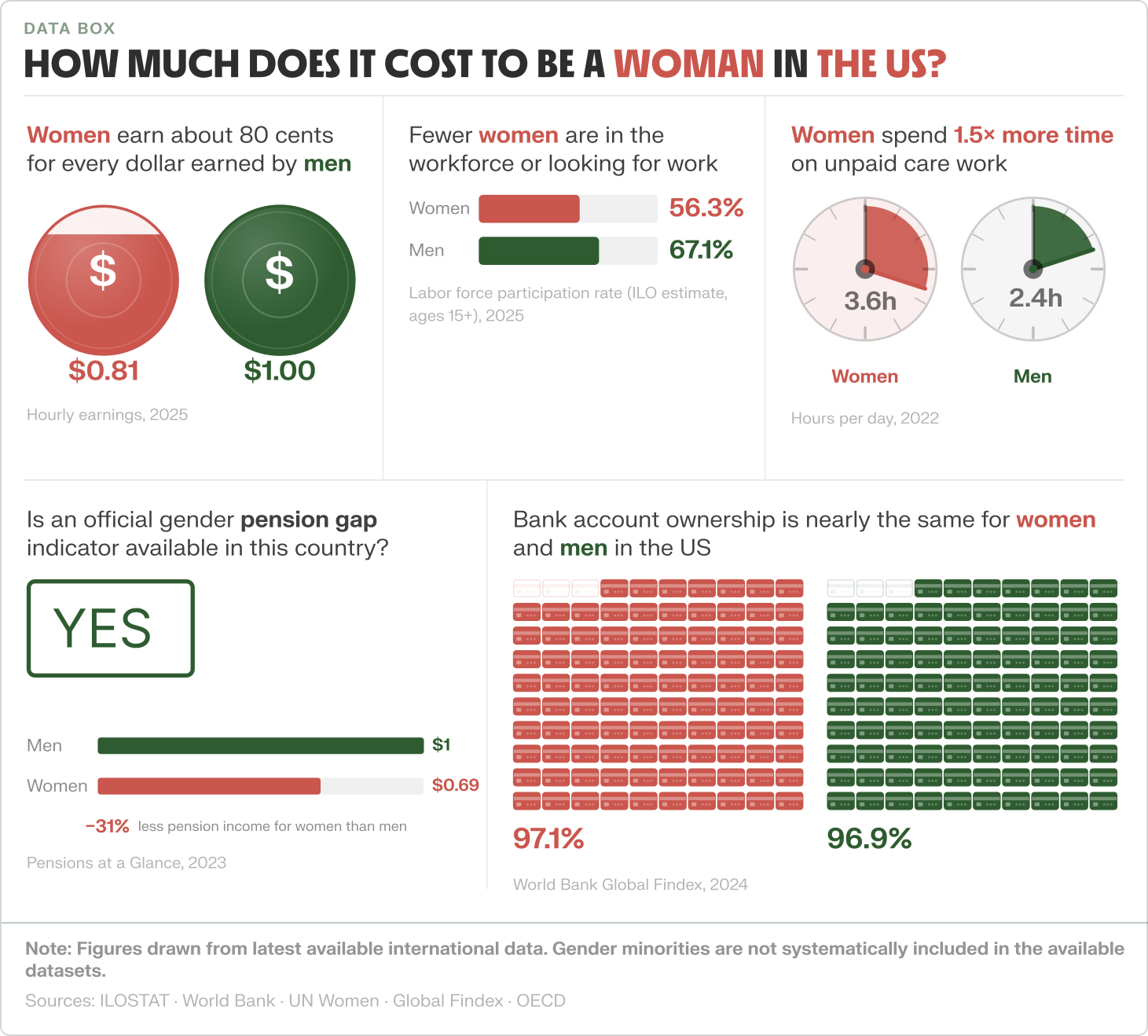
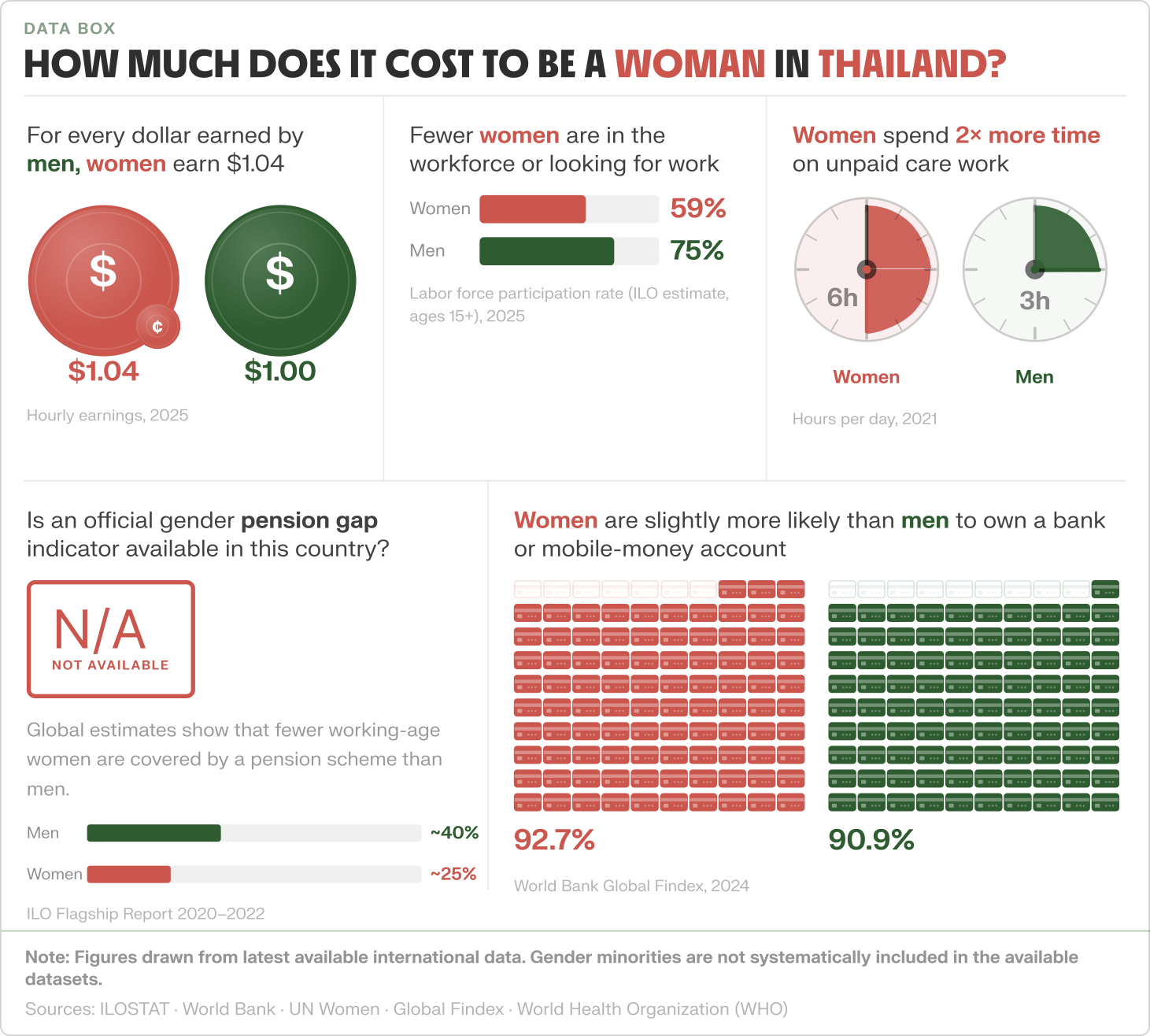
The 2025 International Finance Corporation’s Closing the Gap report analyzed nearly two decades of gendered data from 20 public and private datasets covering 129 countries.
It found that while the volume of gender-disaggregated data has grown significantly, it still only partially accounts for women's economic lives. Comparable indicators tend to focus on activities that are formal, documented and visible to institutions, while experiences that happen outside these systems – such as unpaid care, informal work or barriers to accessing formal employment – remain harder to measure.
We used the ILO’s estimates for the gender pay gap, one of the most widely available indicators of economic inequality. But even this measure has its limitations: it shows the difference in average earnings between women and men, but cannot help explain why those gaps exist. It becomes then important to do additional research in order to draw meaning from the data.
So on the pay gap, for example, women earn less because they are more likely to take career breaks for childcare, while also spending more time on unpaid work such as housework and care. Then there are also factors such as discrimination that compound the inequity
To paint a picture of women’s labor force participation, we used World Bank labor market indicators derived from the ILO Modelled Estimates (ILOEST) database. This shows whether women are working or looking for work, but says little about the quality, security or conditions of those jobs. Two countries in our research may have similar participation rates while offering women very different economic opportunities.
As expected, the consistency of data varies significantly between countries. OECD members such as Denmark and the United States tend to have more regularly updated labor-market statistics, while other countries often rely on less up-to-date, survey-based estimates. Ukraine’s latest available figures for most of the indicators dated back to pre-war, while Uganda’s comparable gender pay gap data was from 2021.
Perhaps the biggest finding was what was missing altogether.
Some of the most important aspects of women’s economic lives happen outside formal labor markets. Unpaid care and domestic work – one of the main reasons women spend less time in paid employment – is measured through surveys that are collected irregularly and using different methodologies.
Other indicators, such as childcare costs, the motherhood penalty and gender pension gaps, are measured differently across countries or are not available at all.
At the same time, gender minorities remain a major blind spot. Official labor-market statistics rarely extend beyond the male/female binary, and data on the economic participation of transgender and non-binary people is limited and often anecdotal.
That absence matters. It means some of the very people facing some of the greatest economic barriers – as detailed by both the financial services industry and academic research – remain largely invisible in official statistics. Data gaps have real-life consequences; as the adage goes: you cannot manage what you can’t measure.
Finally, the constraints in the data – its inconsistencies and gaps – informed how we decided to visualize it.
We created one coherent data box format, focusing on indicators that could be compared while allowing the graphics to be adapted for each country.
Where harmonized indicators did not exist (i.e., pension gender gap), we chose not to fill the gaps with non-equivalent measures. Instead, we made those limitations visible.
The goal was not only to show what the data tells us about women’s economic lives, but also to visualize the absence and inconsistencies.
 Zara Rahman
 Qadri Inzamam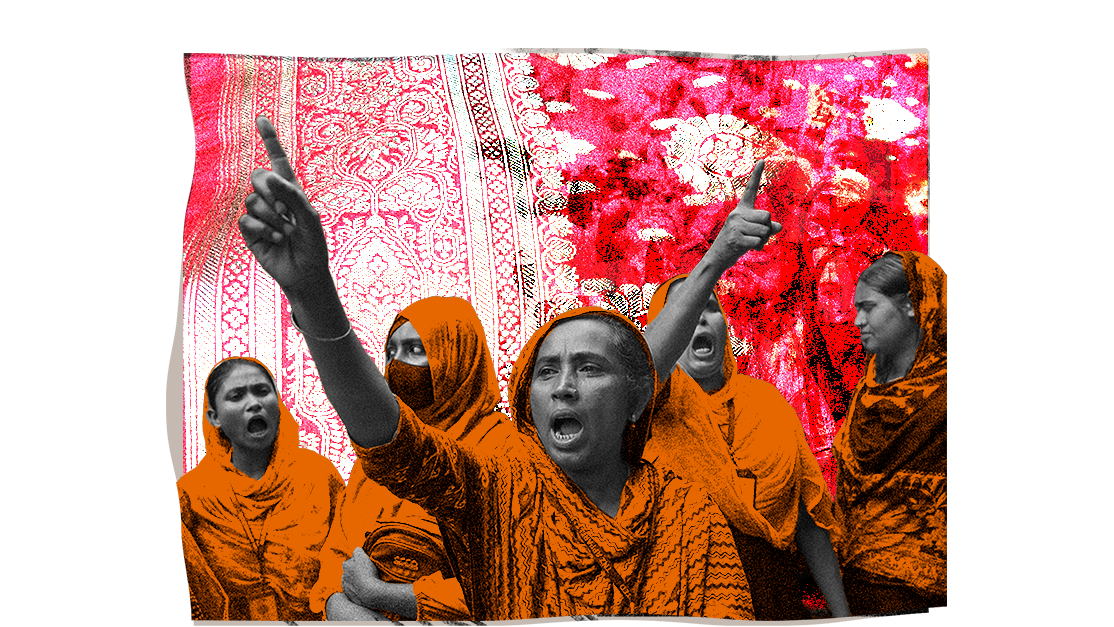
 Claire Cozens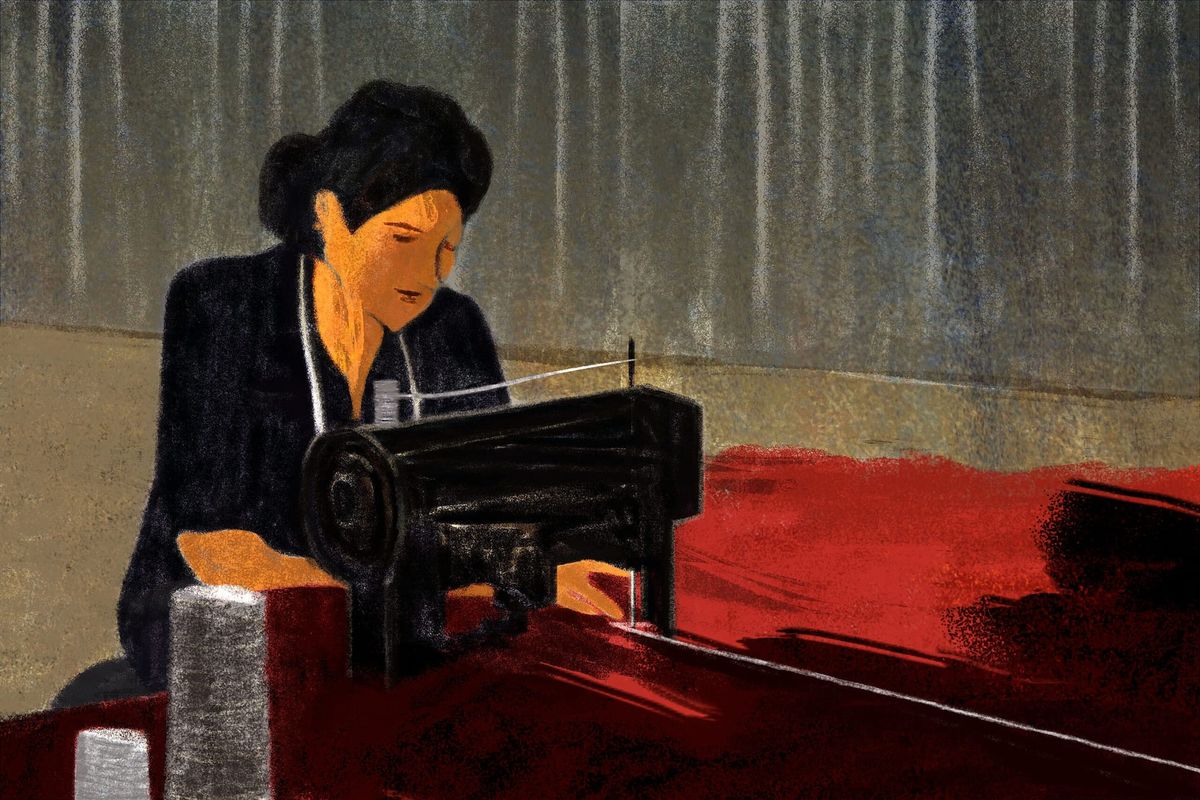
Lead visuals by Gabrielle Smith. Edited by Eliza Anyangwe and Charlie Brinkhurst-Cuff
Lead visuals by Gabrielle Smith. Edited by Eliza Anyangwe and Charlie Brinkhurst-Cuff
A Feminist Reading of Debt by Lucí Cavallero and Verónica Gago
Deficit: The Hidden Value of Care by Emma Holten
Evicted: Poverty and Profit in the American City by Matthew Desmond
Good Economics for Hard Times by Abhijit V Banerjee and Esther Duflo
Le cœur du capital. Ces travailleuses de l’ombre qui font tourner le monde by Fanny Gallot and Hugo Harari-Kermadec
We Need to Talk About Money by Otegha Uwagba
Who Cooked Adam Smith's Dinner? by Katrine Marçal
Maria de Vila Matilde, a song by Elza Soares
Money and Feminism with Corinne Low, a podcast by The Guilty Feminist
The Feminist Economics podcast, a podcast by The International Association for Feminist Economics
The Gig Work Gender Gap, a podcast by Revelio Labs
Food inflation set to triple after Iran war, warns UK industry leader, from Channel 4 News
How could we pay for a wellbeing economy?, by Milena Büchs from the Wellbeing Economy Policymakers network series
How to Investigate Online Scams, video masterclass by Damien Leloup
The Day Iceland Stood Still, directed by Pamela Hogan
Women in the Kitchen, an Instagram series by Khanyi Mlaba
The American Affordability Tracker, from Urban Institute
Being pregnant is risky and expensive. Should women be paid for it?, from the Sydney Morning Herald
Beyond Economics: Assessing IMF Austerity's Effects on Women's Rights, from Modern Diplomacy
Clearing the Record: How Eviction Sealing Laws Can Advance Housing Access for Women of Color, from the ACLU
Energy bills, mortgages and more: How the Iran war affects your money, from BBC News
Gender pension gap in the European Union, by Europe Magazine
How the case of goalkeeper Bruno exposes social tolerance for femicides, from O Globo
It’s more than money, from the London School of Economics (LSE)
It’s time to face up to power in the debate about wealth inequality, from LSE
Recognising the unpaid care economy for a gender equal future, from Equal Measures 2030
Single women are buying more houses. The men they are dating are not responding well, from the Guardian
Survivors’ Needs: How financial services firms can support customers experiencing from Surviving Economic Abuse
The Dark Side of Microfinance: An Industry Where the Poor Play 'Cameo Roles', from Knowledge at Wharton
The Filipino women trafficked to scam and the families left behind, from CNN
US to revoke passports of parents with child support debt, from BBC
Virginia Woolf chose money over the vote. She was right, from The Glorious Letter
“We are not the ones who owe; it’s capital and the state who owe us”: why feminist scholars and activists are working to destigmatise debt, from Equal Times
What is the gender pensions gap and what can we do about it?, from the World Economic Forum
Whatever Happened to Microfinance? A Cautionary Tale, from the American Foreign Service Association
Will California crack down on cash apps that trap women in debt?, from Fuller and the Los Angeles Times
World Inequality Lab 2026 report, from the World Inequality Lab
60 facts on wealth inequality - the gender wealth gap, from the Wealth Inequality Initiative
Edited by Charlie Brinkhurst-Cuff and Erica Hensley.
Edited by Charlie Brinkhurst-Cuff and Erica Hensley.