The unbalanced sheet: What it costs to be a woman
Fuller's fourth edition focuses on the human costs of a global economy not designed to work for people or planet – and finds alternative visions
If you’re a woman reading this – and you probably are – chances are that, compared to a man with an identical profile as your's, you will have less money in your bank account at the end of the month. You also have no investments to your name, a smaller pension pot to live off in old age and, until then, you will spend many more hours doing essential care work that our economies still value at zero. Welcome to the Cost of Living edition.
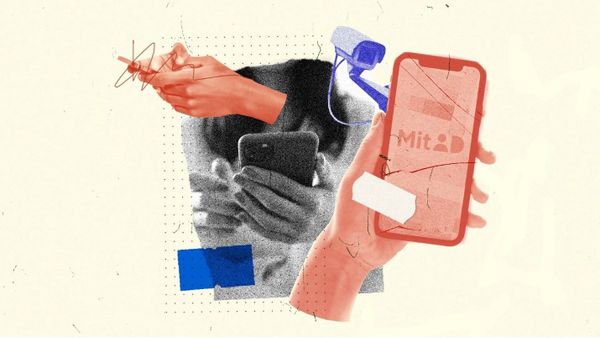
Fuller’s fourth edition considers what price women and gender-diverse people have to pay to live, against the backdrop of war, rising inequality, a global fuel crisis, unaddressed gender-based violence, discriminatory policies and the virulent expansion of automated technologies that are coming first for jobs traditionally held by women.
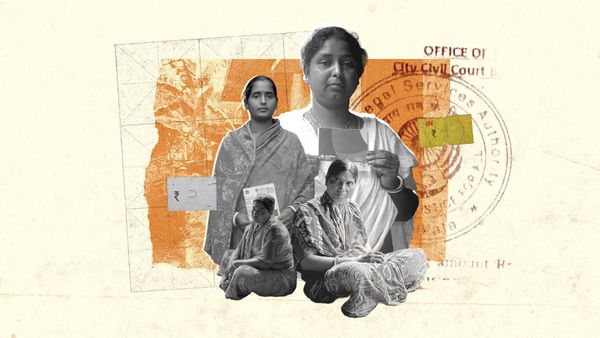
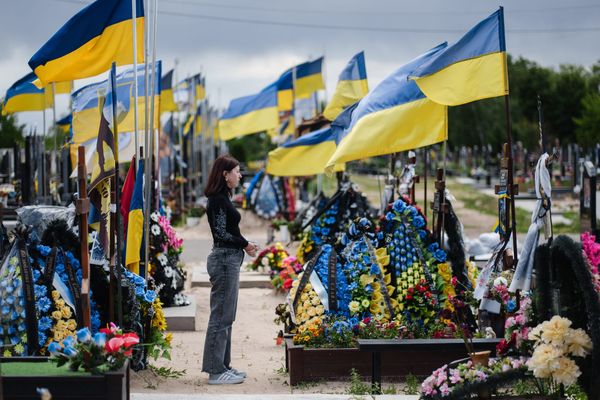
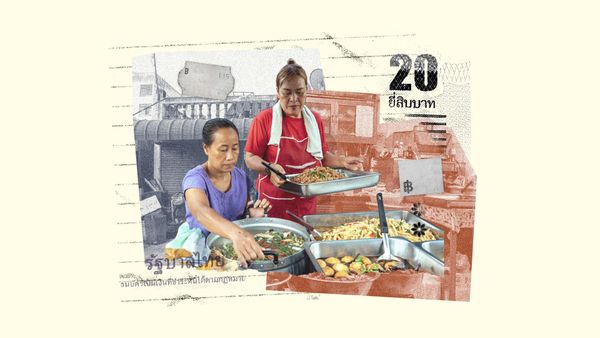
Our reporters spent time with war widows in Kyiv and went grocery shopping with street vendors in Bangkok whose livelihoods hang in the balance as the US and Iran play war games. We traced the steps of women in West Bengal so burdened by microfinance debt that they did the unthinkable, and of other women in Brazil who paid with their lives for pursuing child support.
But as you will have come to expect from Fuller, we are just as interested in the stories of agency and change as we are in revealing systemic harm. So, through essays, interviews and reportage, we will also bring you alternative visions – and data. A data visualization will show how each country we report from in this edition is faring against certain economic empowerment metrics: the gender pay gap; the representation of women in the informal sector, as compared to men; what percentage of women have access to a bank account, compared to men. The visualizations also make glaringly obvious the invisibility of gender minorities in economics data.
Working on this edition made me wistful for that fleeting moment during the Covid-19 pandemic when world leaders acknowledged that “building back better" meant making women and girls less vulnerable to global shocks. Does anyone else remember 2021?
In June of that year, then UK prime minister Boris Johnson told fellow G7 leaders that they needed to be “building back more equal and in a more gender-neutral and perhaps more feminine way”. A month later, while many of us were still trying to figure out what exactly Johnson meant, the White House set out how the Biden administration would “support women’s employment and strengthen family economic security”. Then Russian tanks rolled into Ukraine and build back better was all but forgotten.
Extractive economies went back to extracting – now doubling down in a race for greater military spending, critical minerals, non-Russian oil and new data centers. Might is once again right and poverty remains a marker of personal not systems failure, so gone are any attempts to remedy the ways in which our socio-economic, political and cultural systems leave some of us more vulnerable to calamity than others.
So this edition serves as a reminder of the real human costs of a global economy not designed to work for people or planet. May it prime us to look for hope elsewhere.
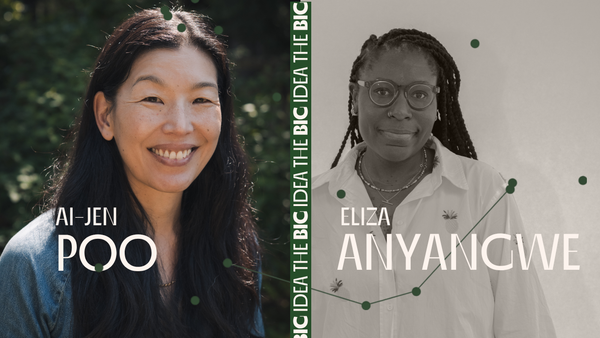
Get in touch with Eliza about this edition at: eliza@fullerproject.org