Newsletter: What do you really think about working-class women?
They are the ‘shock absorbers’ of poverty
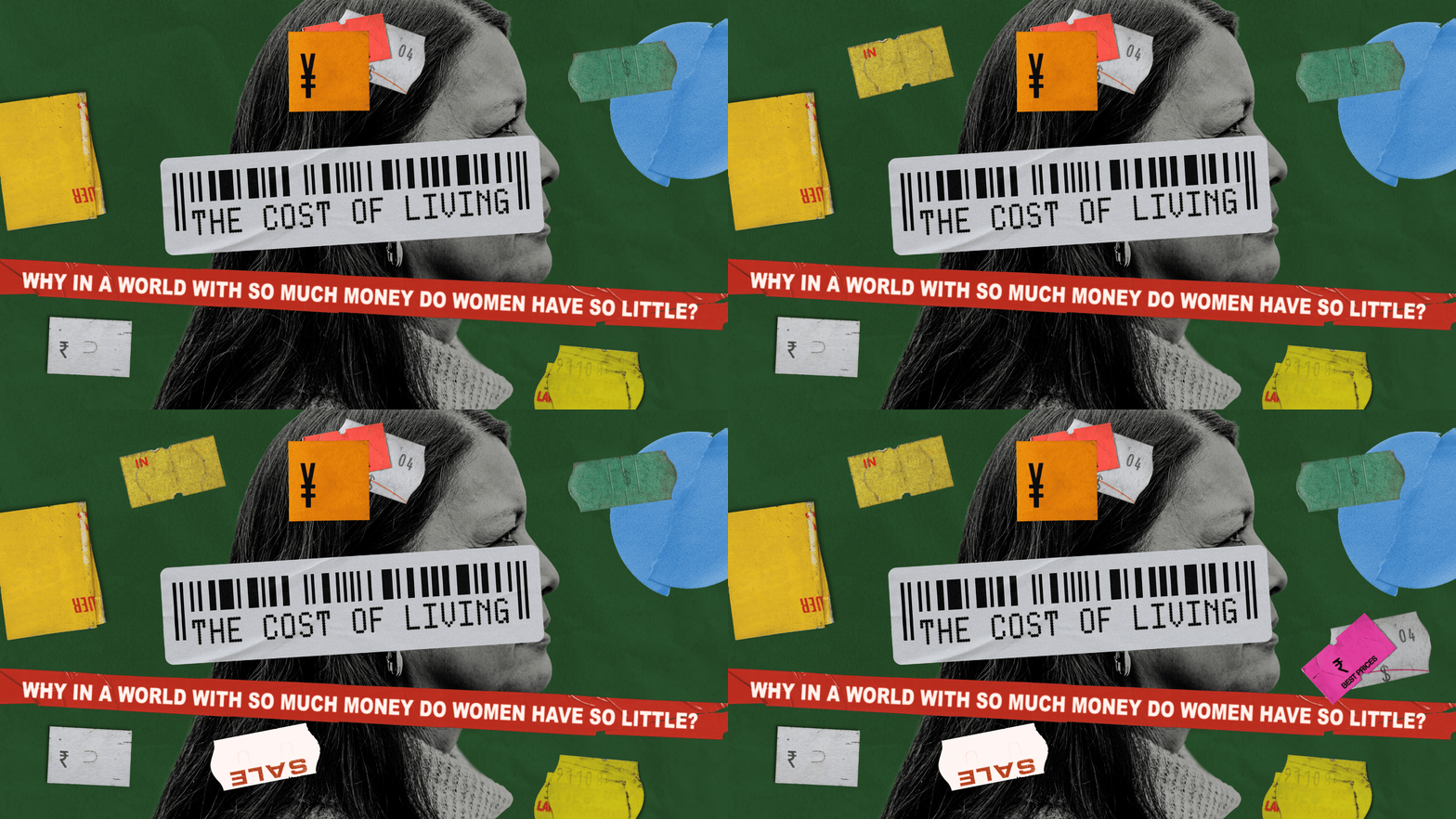

Wrapping up our Cost of Living edition with a reflection on class

Since our edition on Cost of Living began, I’ve been reading the British journalist Owen Jones’s seminal 2011 book, Chavs: The Demonization of the Working Class. It methodically (and angrily) lays out the discrimination and outright distaste that the upper and middle classes in the UK enact and feel towards those they consider to be ‘beneath’ them – those who earn less and live a different lifestyle.
And the book begins with a story of working-class motherhood: that of Karen Matthews, who kidnapped her own daughter with an accomplice in an attempt to claim a £50,000 reward in 2008.
Matthews was demonized even before the hoax kidnapping was revealed. “Much attention was paid to the fact that Karen has had seven babies by five fathers,” wrote the Independent. She was painted as an example of feckless, impoverished womanhood whose daughter was less deserving of sympathy than the middle-class Madeleine McCann, who had gone missing the year before.
Reading this book more than 15 years after its publication, what struck me most was how little has changed in Britain. We are in the midst of a cost of living crisis in the UK, to the extent that the new prime minister, Andy Burnham, is currently on a “cost of living tour”. And yet the familiar narrative remains: pull yourself up by your bootstraps, get to work, stop relying on the state. Shame and stigma still attaches itself to being working class, poor, and/or unemployed.
And women bear much of the cost. Women in the UK have lower levels of savings and wealth than men, and are more likely to work in underpaid and undervalued professions or on zero-hours contracts. Women also bear the brunt of unpaid care, and are more likely to rely on social housing, housing benefit, homelessness services and temporary accommodation when compared with men. The experience of being labelled a “chav”, the derogatory term for the working class that Jones wrote about all those years ago, is in large part defined by gender.
Far from being feckless and undeserving of attention or care, working-class women – and especially those additionally marginalized by race, refugee status or disability – are the “shock absorbers” of poverty. As we come to the end of our Cost of Living edition, in which we set out, as our editor-in-chief Eliza Anyangwe put it, to consider “what price women and gender-diverse people have to pay to live”, my plea is simple: that we recognize who is absorbing that cost, and care about them accordingly.
As Jones put it himself in a 2019 essay, “Women and minorities represent a majority of the working class: there is no true liberation until… working-class women are liberated from both class and gender oppression.”
What is your class background and how has it impacted your experiences with wealth and money? We'd love to hear from you – email me at charlie@fullerproject.org
Fuller is an independent, ad-free newsroom. What you're reading took correspondents across 12 countries. It's free because readers like you support it.
The winners of this month's book giveaway
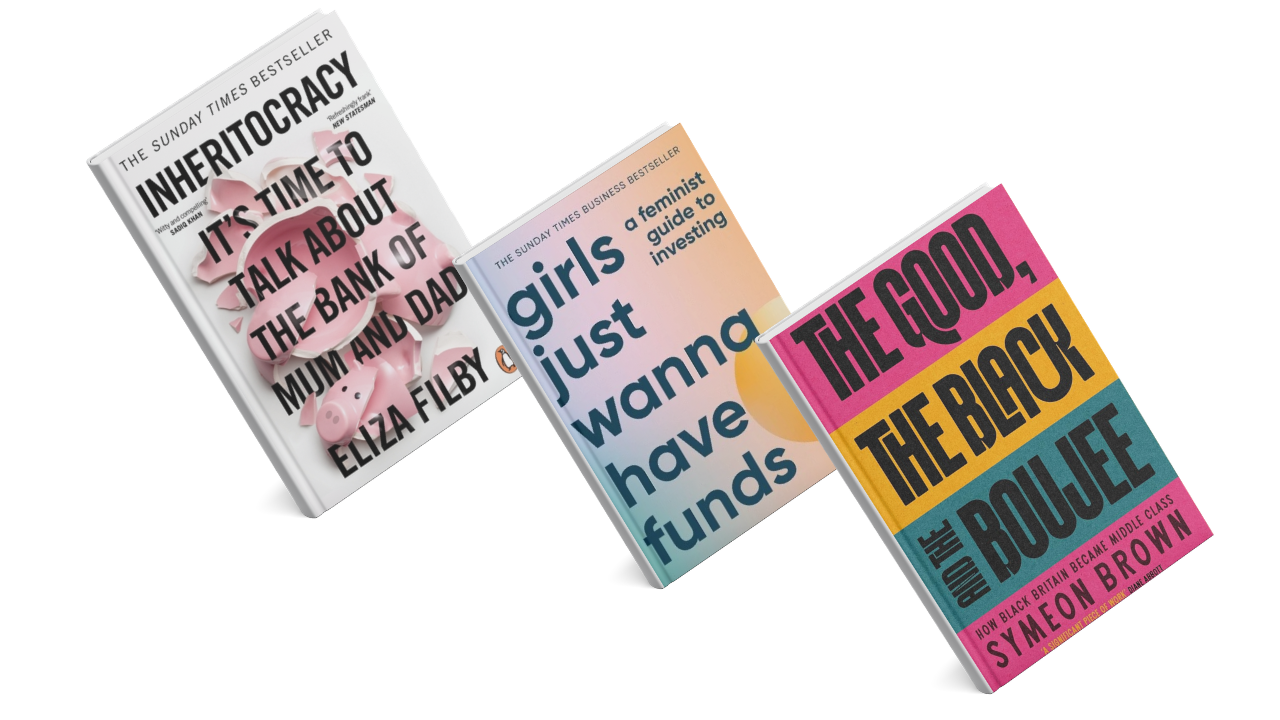
We're pleased to announce the two winners of this month's book giveaway are Victoria Gemmill and Alisa Bartholdy.
They will each receive copies of Inheritocracy by Eliza Filby, Girls just wanna have funds by Camilla Falkenberg, Emma Due Bitz and Anna-Sophie Hartvigsen and The Good, the Black and the Bougie by Symeon Brown.
Watch The Big Idea: Ai-jen Poo says care work is ‘irreplaceable’ in the age of AI
As 130 million Americans navigate the daily challenges of caregiving, lifelong labor organizer Ai-jen Poo talks with Fuller’s editor-in-chief, Eliza Anyangwe, about the urgent need for a unified care infrastructure. Watch (or listen) below.

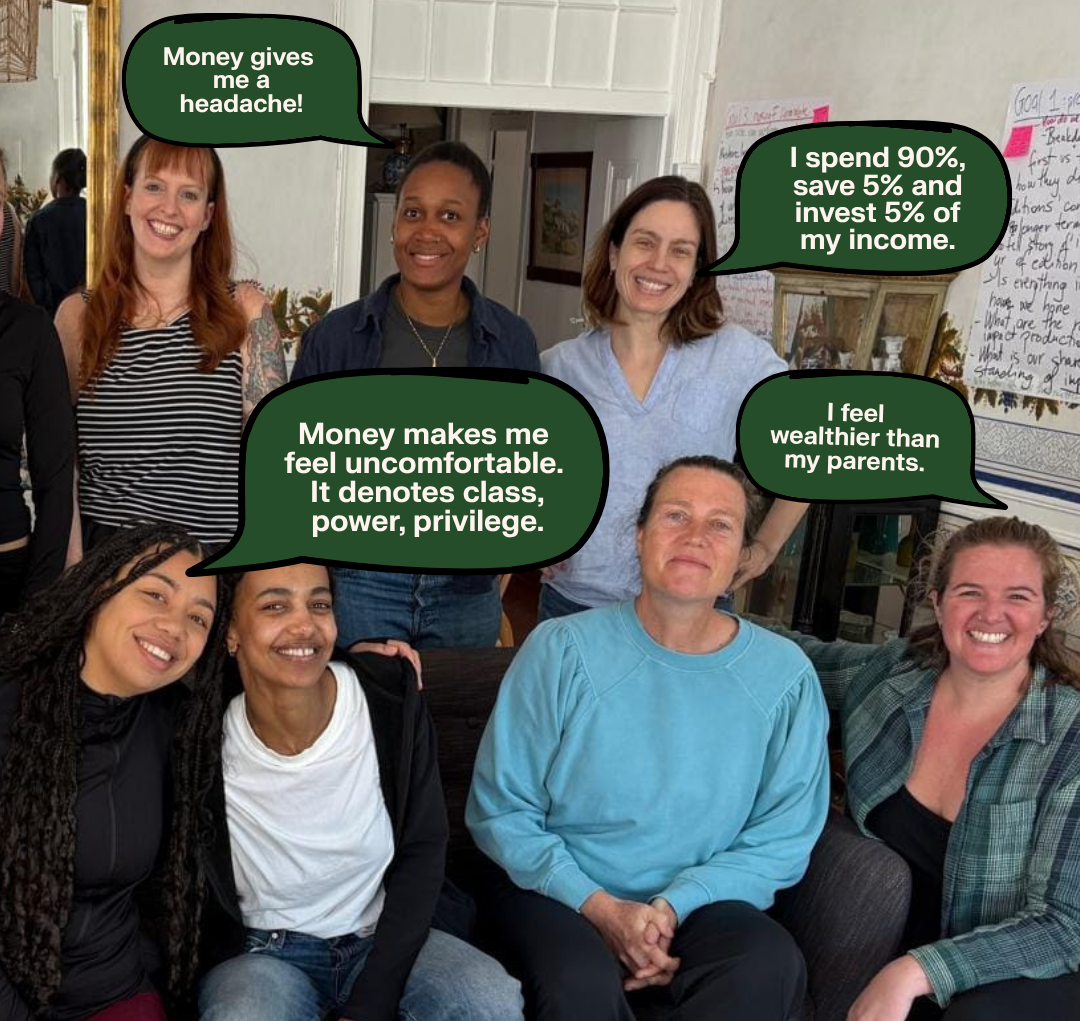
Breaking money taboos
This week, the Fuller team shared their spending habits and savings, plus the lessons that have shaped their relationship with money!
Explore the edition
STORY SPOTLIGHT
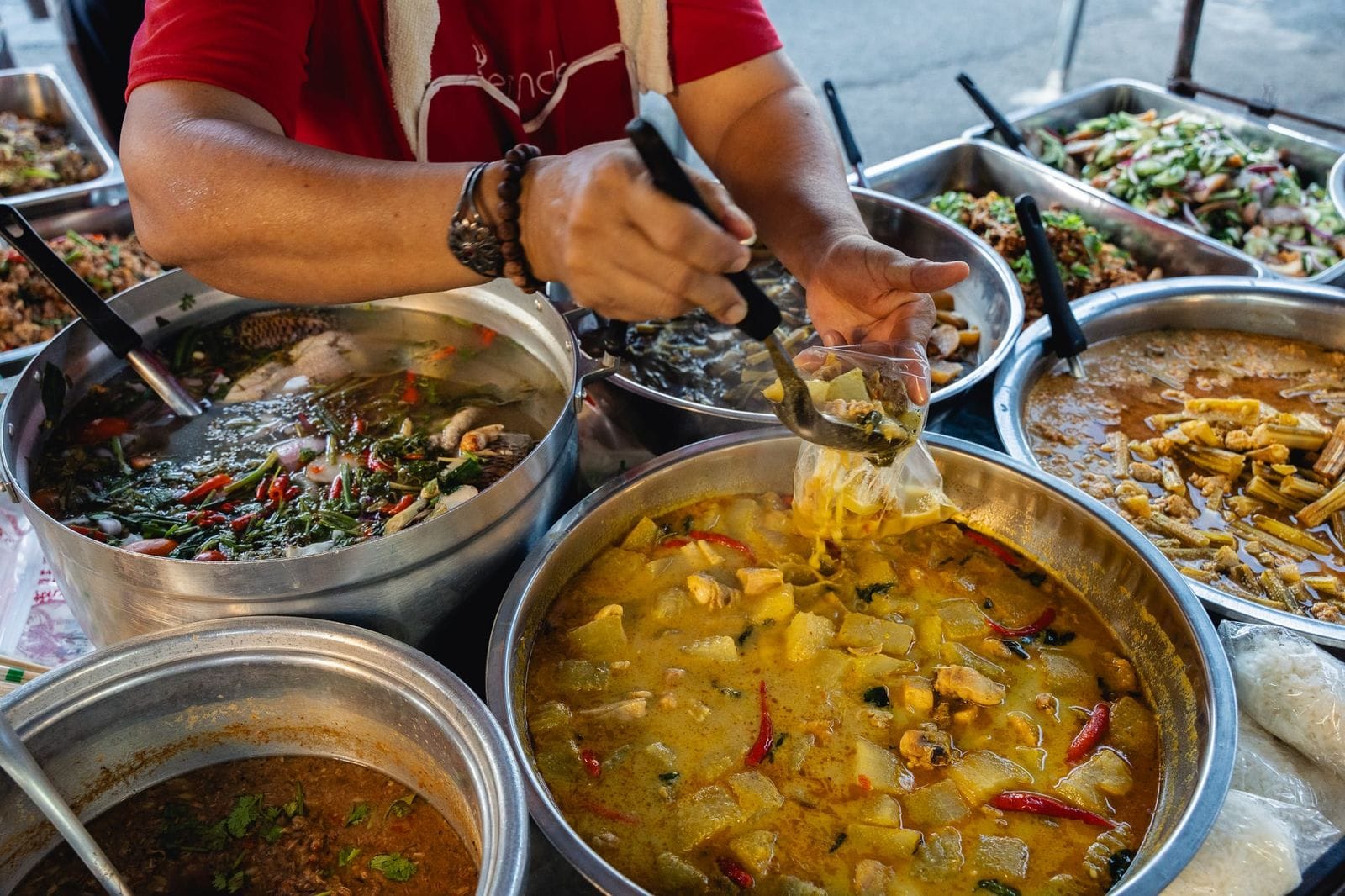
They’re feeding Bangkok. Now, war in Iran means they can barely afford to feed themselves
The US attack on Iran and the resulting blockage of the Strait of Hormuz have sent fuel prices soaring and disrupted economies around the world. In Thailand, Fuller follows the women street vendors struggling to stay afloat as the cost of doing business rises
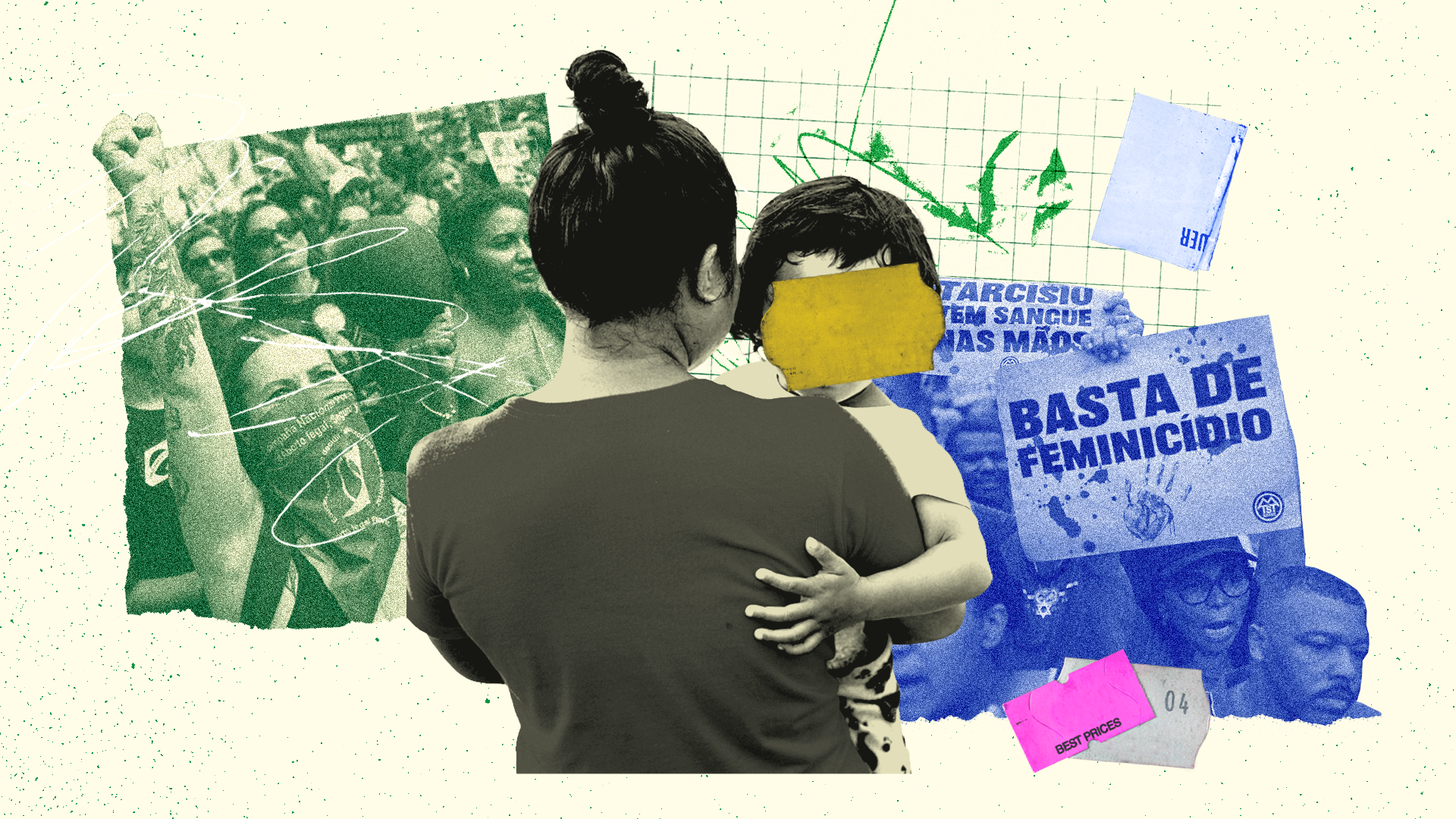
In Brazil, asking for child support can come at a dangerous cost
Child support claims are rising rapidly in Brazil. But for some women, demanding support for their children can provoke threats, abuse and even femicide
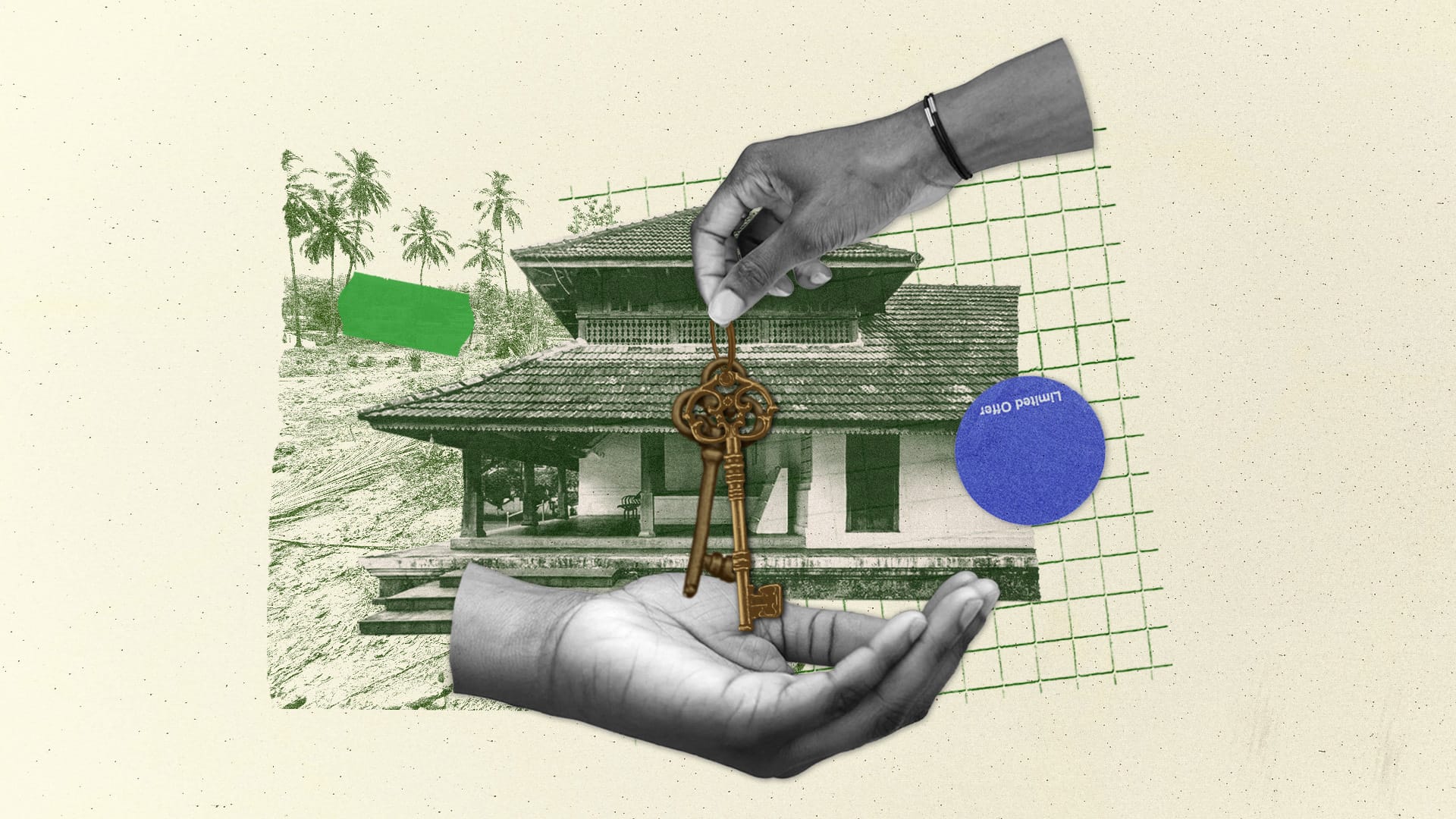
Women-led informal economies have survived the patriarchy
The descendant of a multi-generational matrilineal household in South India, Megha Mohan knows that women’s poverty isn’t an inevitability.
Diving deep on data
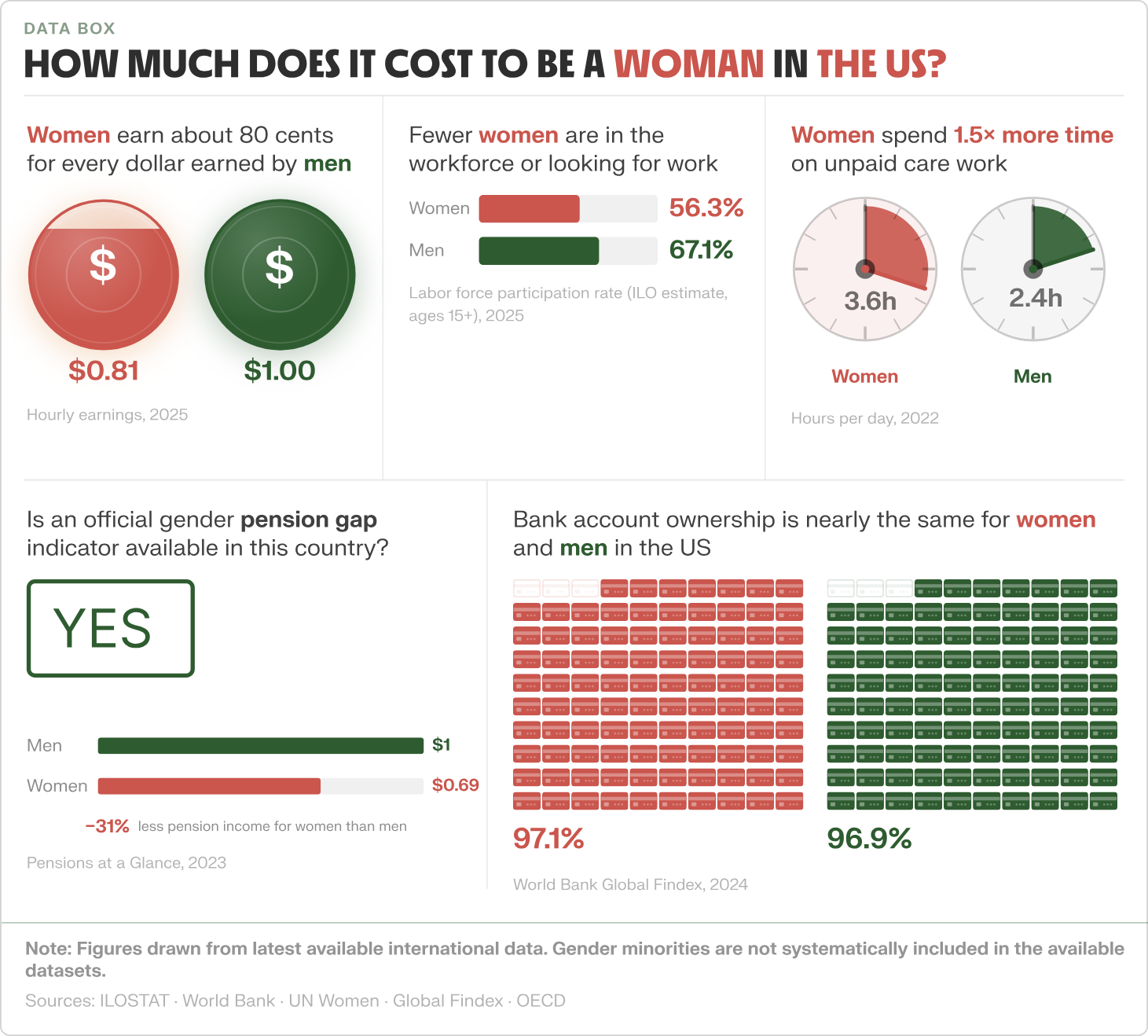
How much do women earn compared with men? How likely are they to work in the formal economy rather than the informal sector?
For our Cost of Living edition, editor Carlotta Dotto breaks down the data behind our reporting – and what it reveals about unpaid care work, childcare and pensions.
EXPLORE THE FULL EDITION
01 Letter from the editor: What it costs to be a woman
02 The research box: What we watched, read and listened to while making our Cost of Living edition
03 In Brazil, asking for child support can come at a dangerous cost
04 Women in the United States are poorer by design
05 In other worlds, women have wealth
06 Women’s financial inclusion: What the data does – and doesn’t – reveal
07 From price tags to the pink tax: the story behind this edition’s imagery
08 They’re feeding Bangkok. Now, war in Iran means they can barely afford to feed themselves
09 Ai-jen Poo’s big idea: Make care work the engine of the AI era

Kilometres travelled: 10,901 km
Countries our sources are in: Denmark, the UK, Brazil, Thailand, Uganda, Ukraine, and India
Cold emails sent: 74
Hours of recordings: 34
Number of interviews: 51
Words written: ~11,748
The Cost of Living edition is free because readers tip what they can.
If this edition is part of how you stay informed and stay sharp, leave a $7 tip. Every contribution keeps the next edition possible.
This newsletter was produced by Charlie Brinkhurst-Cuff, Imriel Morgan, Mansi Dua, Anastasia Moloney and Erica Hensley. Lead visuals by Gabrielle Smith. Data visualisation by Carlotta Dotto. The visual editor was Gabrielle Smith