Newsletter: Migrant men aren’t the problem
Fuller's far-right edition, a new anti-rights tracker, and a toolkit that tells you how to fight back
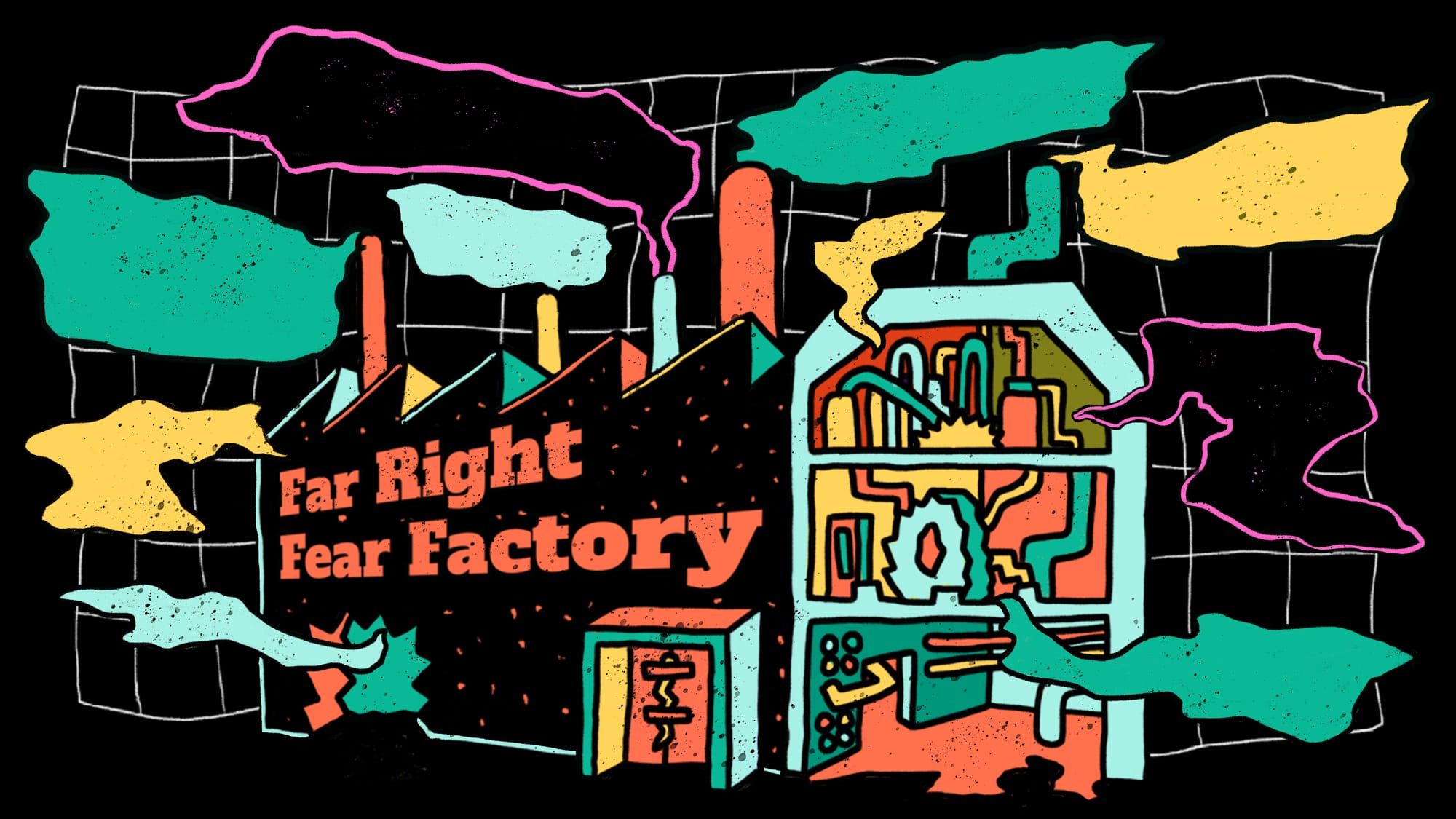

The far right is bold. We must be bolder

The video is obscene. Filmed on 19 May, a heavily pregnant refugee woman, Malak Mahmoud, is thrown to the ground with force by a police officer at an asylum centre in the Netherlands and dragged on the ground. According to Mahmoud, her only transgression was asking the officer, in broken English, if she could accompany her husband, who was being arrested.
But it's emblematic of a wider problem: The far right, in the same way they have done across much of Europe, has effectively weaponized and politicized the issue of immigration in the country, turning it into a source of fear and moral panic. It’s no wonder that Mahmoud was so badly mistreated. Her plight is evidence of the far right's selective politics of protection – where violence against migrant women is ignored while the safety of white women is elevated into a political project.
The nature of far-right politics in this moment is gendered: women, if they are white, are invoked as symbols requiring protection (almost exclusively from migrant men). But those who are actually in need of protection – from the violence of the state, for example, like Mahmoud, are overlooked.
We’ve been exploring this reality over the past two months as part of our far-right edition. We have spotlighted how the far right is weaponizing women’s very real concerns for their safety, and have uncovered how to get women out of the far right and the far right playbook targeting women in Latin America. We have scrutinized the killing of a far-right bodyguard, and the group of “femonationalists” he was protecting. We have been laser-focused on impact: considering, for example, exactly what journalists and media-makers need to know about covering the far right.
At the beginning of the edition, our editor in chief, Eliza Anyangwe, wrote that the “far right names the right problem but prescribes the wrong solution”. I would add a second statement to this: that the far right’s intensity and expert marketing is also something we should take seriously and learn from.
If they are bold, we must be bolder; if they are relentless, we must be more so. As a protestor named Claire Donovan said in our video from an anti-far-right march in London, “It only won’t happen here if we don’t let it happen here”. And, as I recently wrote for Fuller in the Independent, as feminists we must “continue to call out the anti-feminist darkness at the heart of the far right’s indefensible movement until it rots and crumbles”.
Fuller is an independent, ad-free newsroom. What you're reading took correspondents across 12 countries. It's free because readers like you support it.
The winners of this month's book giveaway
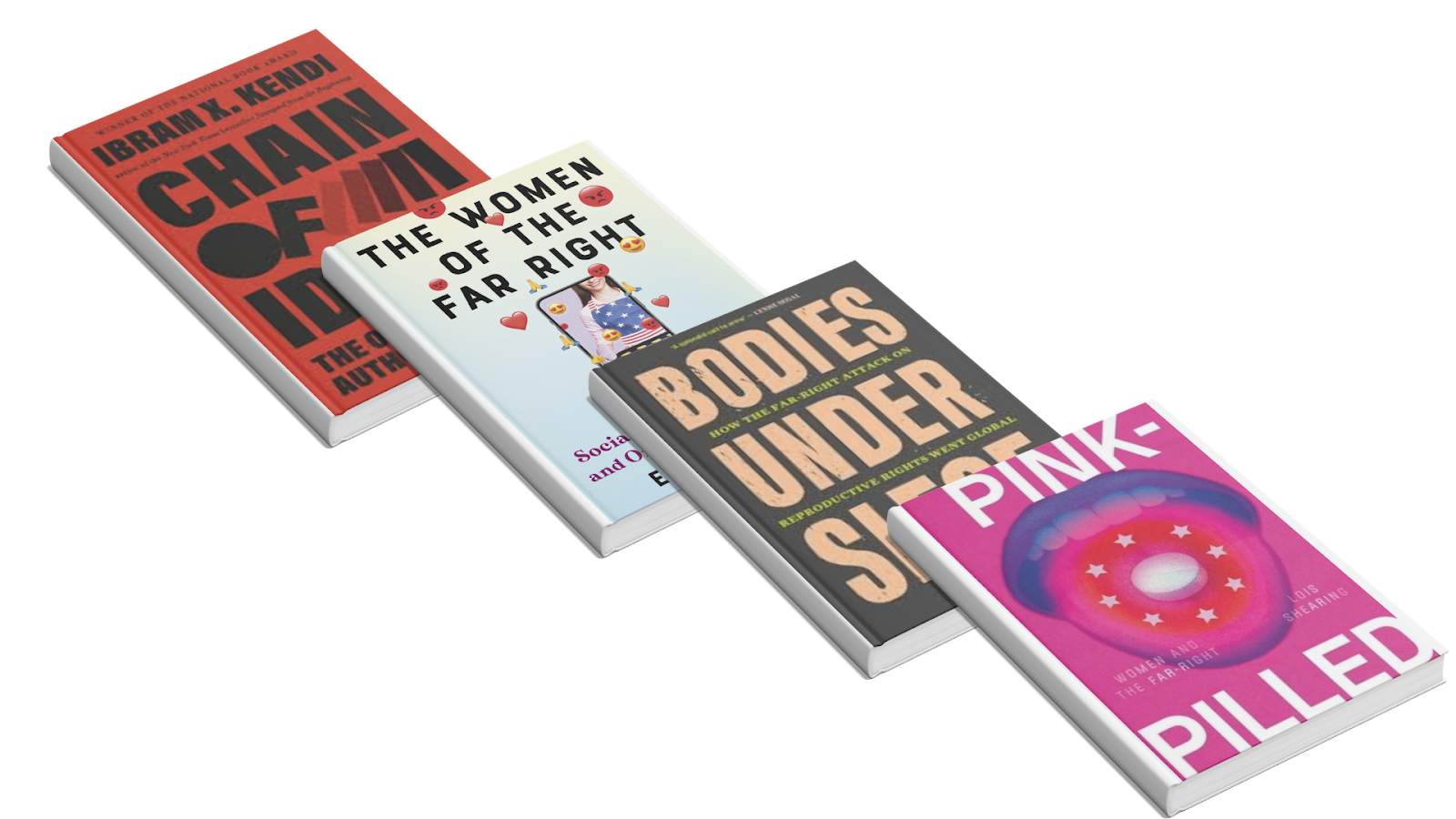
We're pleased to announce the two winners of this month's book giveaway are Anthea Lawson and Daniela Schnidrig.
They will each receive copies of Chain of Ideas: The Origins of Our Authoritarian Age by Ibram X Kendi, The Women of the Far Right by Eviane Leidig, Pink-pilled: Women and the Far Right by Lois Shearing and Bodies Under Siege: How the Far-Right Attack on Reproductive Rights Went Global, by Sian Norris.
Explore the edition
STORY SPOTLIGHT
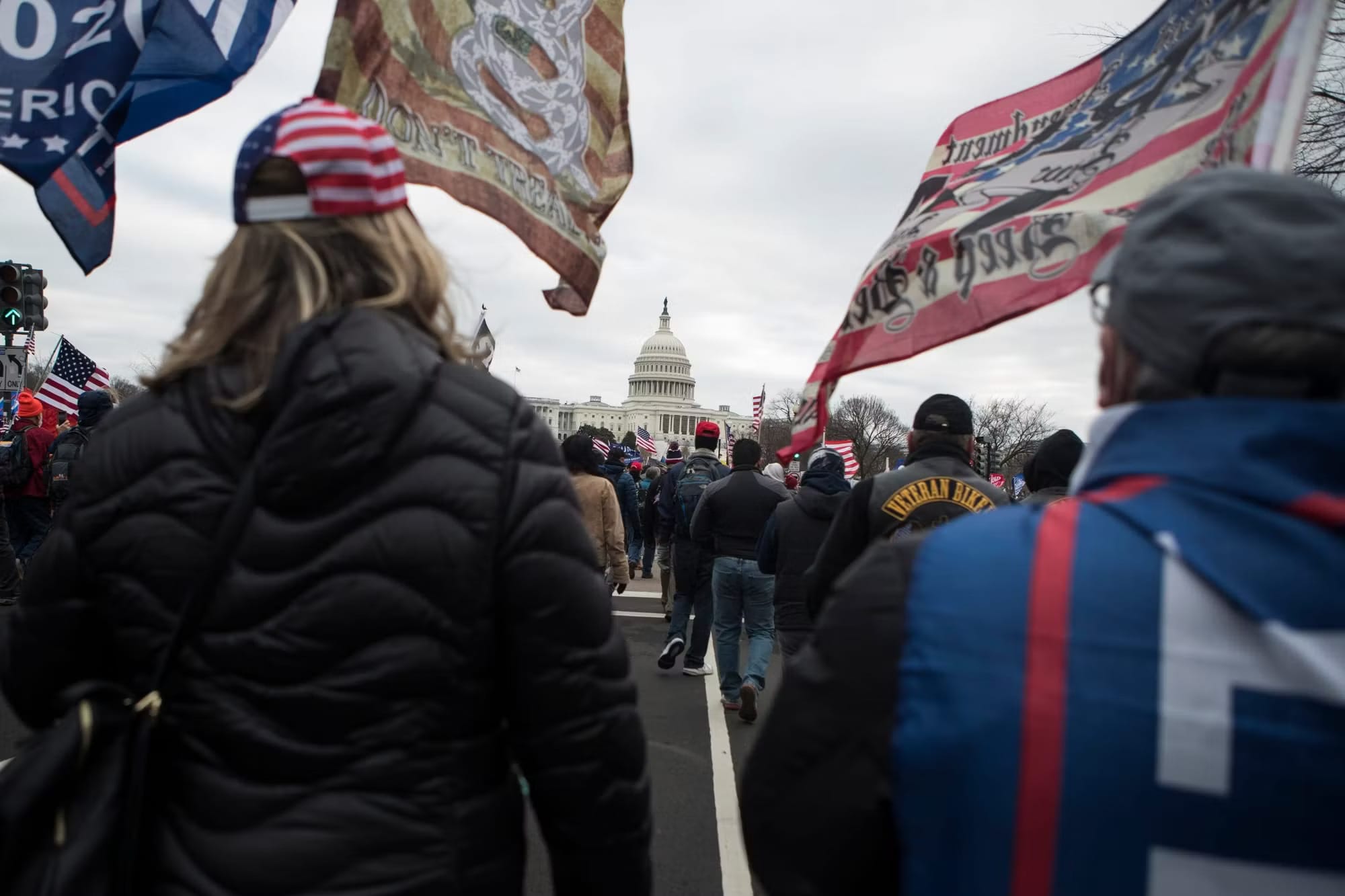
‘Don’t engage on ideology’ – and five other lessons for helping people leave the far right
Samantha Froelich has been both inside a US far-right group and helped others get out. Here, she shares her story and tips for how to support other women wanting to leave a life of hate
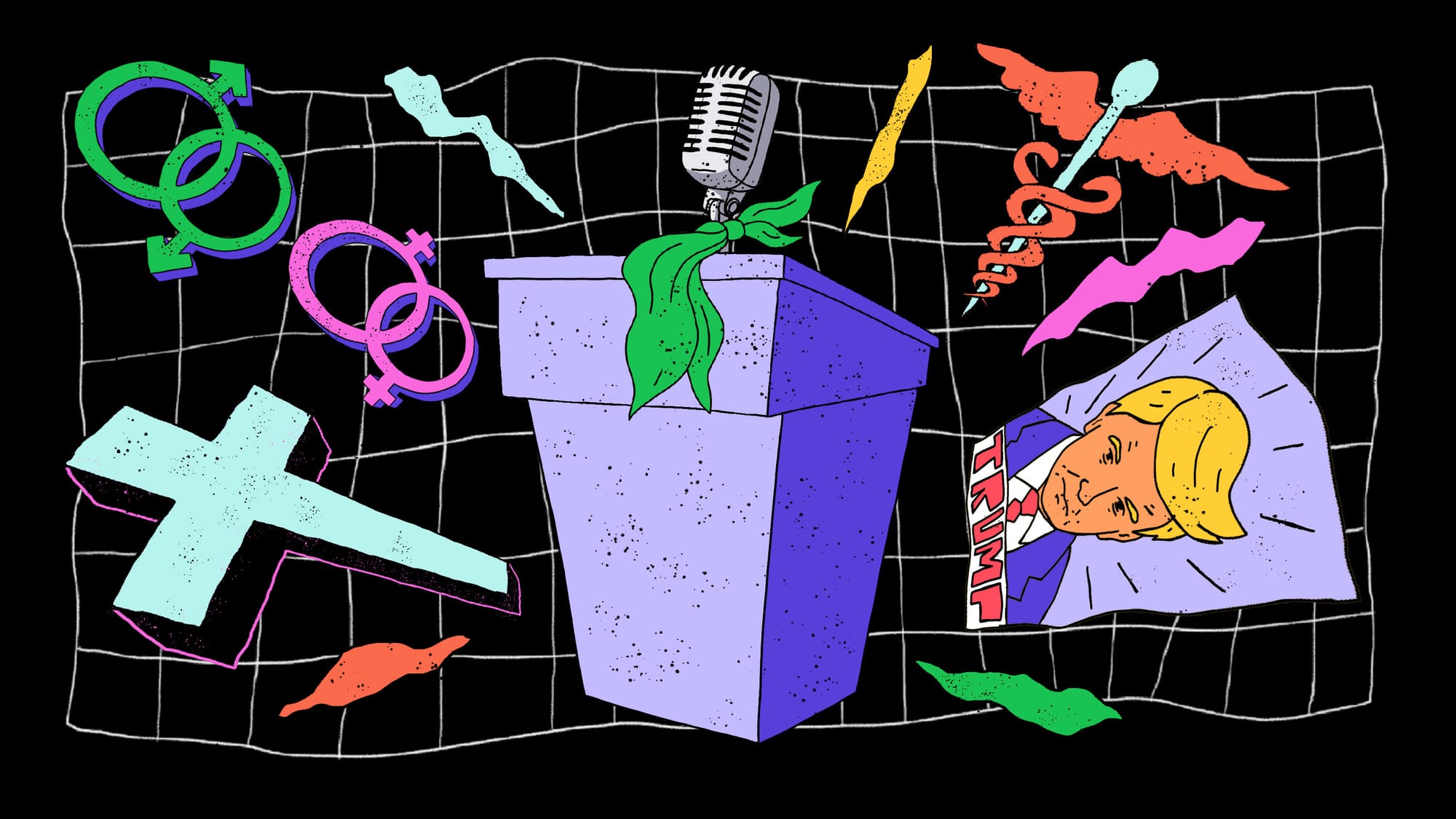
Uncovering the far-right playbook targeting feminists in Latin America
As anti-abortion politician José Antonio Kast assumes Chile’s presidency, activists warn his far-right agenda could mirror the restrictive shifts seen elsewhere in the region
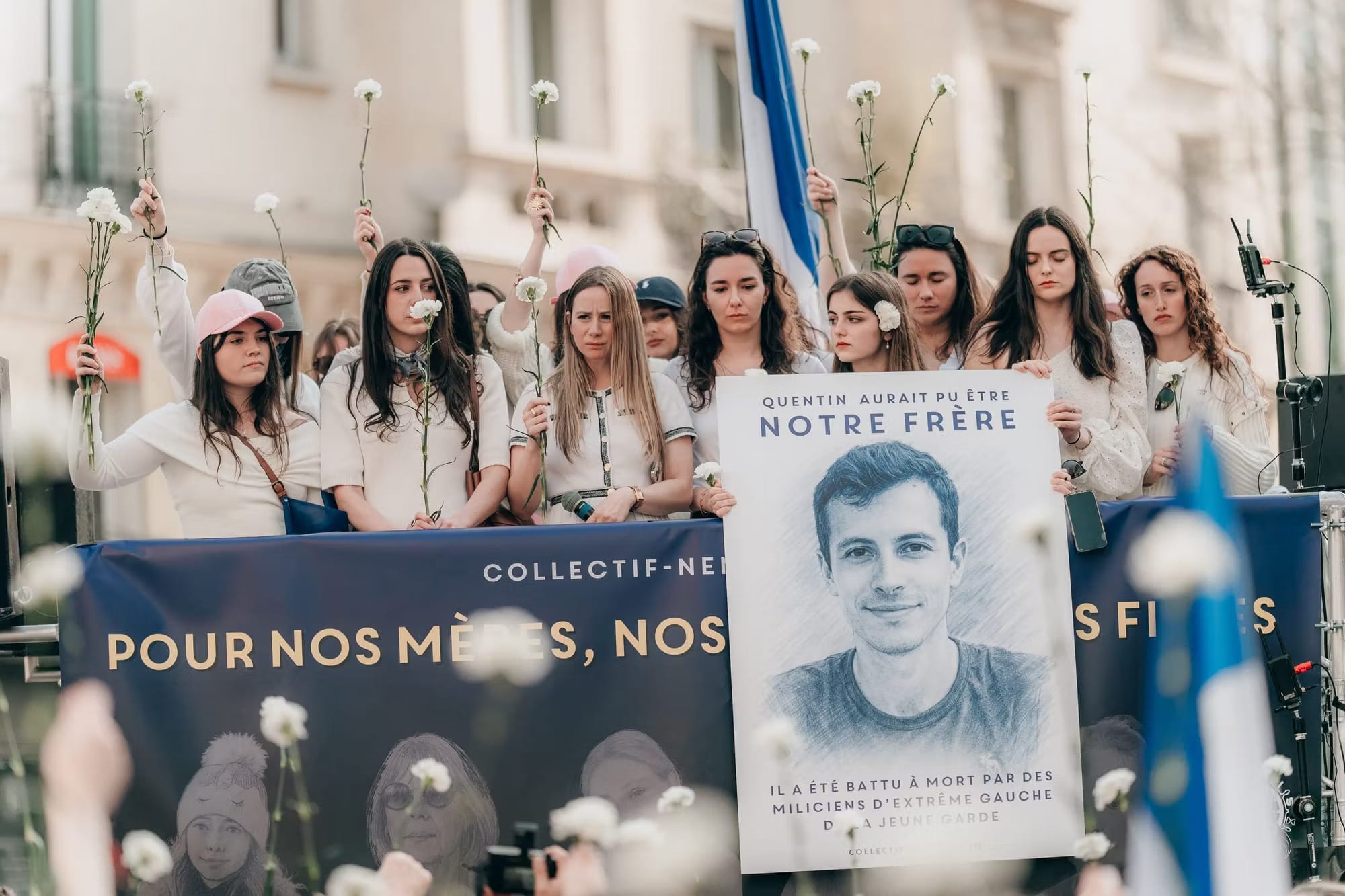
In France, a neo-Nazi ‘bodyguard’ was killed. These are the far-right ‘feminists’ he was supposed to be protecting
After a clash in Lyon led to the death of Quentin Deranque, a fringe identitarian group called Collectif Némésis has seized the moment – backed by powerful allies and blurring the line between feminism and the far right
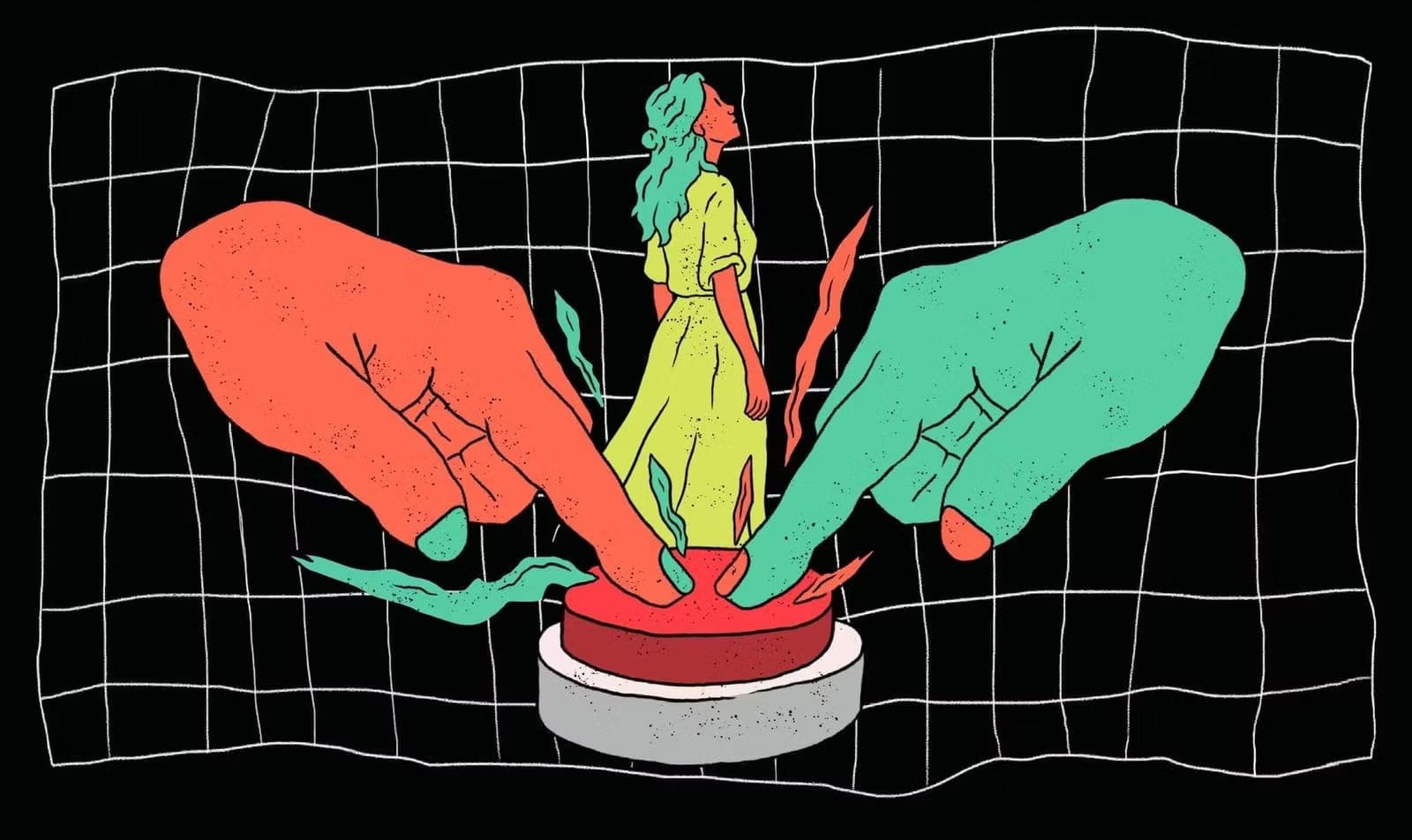
Abortion is becoming a new front in Reform UK’s culture war
After the decriminalization of abortion, analysis from openDemocracy and the Fuller reveals that the far right across the UK is pushing anti-abortion talking points into mainstream political debate like never before
Fuller built a tool to track the far right in real time
The Fuller team and experts mapped the strategies far-right movements use to undermine women's and LGBTQ+ rights globally. This toolkit provides a framework to recognise them in real time.
The toolkit includes something we haven't released before: Fuller's Global Anti-Rights Tracker, an AI-powered tool that monitors tactics, signals and feminist resistance from anti-rights movements worldwide in real time. It is the first tool of its kind. You have early access.
EXPLORE THE FULL EDITION
o1 Letter from the editor: Going inside the far-right fear factory
o2 The research box: What we watched, read and listened to while making our Far Right edition
o3 Hungary elections: What's at stake for women and LGBTQ+ rights?
o4 How to get young women out of the far-right
o5 How femonationalism is shaping far-right discourse in Europe
o6 Uncovering the far-right playbook targeting feminists in Latin America
o7 Reporting on the far right? Here’s what you need to know
o8 Amy Wallace’s big idea: The underreported story of the Epstein Files is about class
o9 A rift is growing between women
o10 In France, a neo-Nazi ‘bodyguard’ was killed. These are the far-right ‘feminists’ he was supposed to be protecting
o11 Abortion is becoming a new front in Reform UK’s culture war
Kilometres travelled: ~4446 km
Countries covered: 12, including Italy, the US, Germany, Ireland, Denmark, Hungary, Chile and Brazil
Cold emails sent: 66
Cold phone calls: 6
Hours of recordings: 9.5
Number of interviews: 23
Words written: ~7537
The Far Right edition is free because readers tip what they can.
If this edition is part of how you stay informed and stay sharp, leave a $7 tip. Every contribution keeps the next edition possible.
This newsletter was produced by Charlie Brinkhurst-Cuff, Imriel Morgan, Eliza Anyangwe and Erica Hensley. Lead visuals by Jawhar Soudani. The visual editor was Gabrielle Smith