Reporting on the far right: A toolkit
Fuller's correspondents and experts mapped common strategies far-right movements use to undermine women's and LGBTQ+ rights globally. This toolkit gives you the framework to recognise them in real time

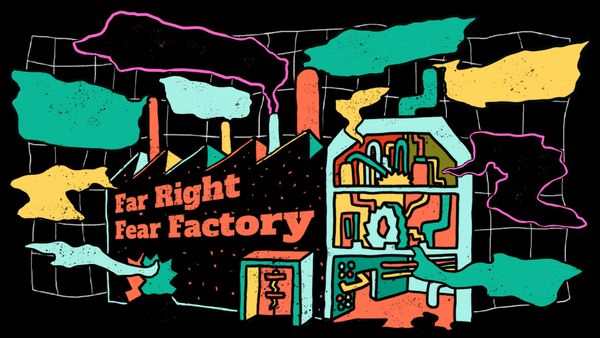
Many far-right movements are organised, globally networked and getting better at hiding it. The language used often sounds like human rights. The funding is obscured through foundations and donor-advised funds across borders. The tactics, from institutional capture to strategic litigation to algorithm gaming, are replicable and spreading.
Fuller built this toolkit because headlines alone don't give you the framework to see the pattern.
What’s inside:
- Eight tactics identified by Fuller's Counter anti-rights tracker as the most commonly used by far-right movements targeting women's and LGBTQ+ rights around the world
- How these tactics show up in practice
- Deeper context and examples drawn from Fuller's original reporting
- Key signals and patterns to look out for
- Questions to guide your reporting, research and analysis
Bonus: The Global Anti-Rights Tracker
The toolkit includes Fuller's Counter tracker, an AI-powered tool built to surface anti-rights activity in real time across human rights and investigative media globally. This is Fuller’s first tech tool built specifically for this purpose.
This resource is for journalists, advocates, policy professionals, and anyone who needs to understand not just what the far right is doing, but how.
Written by Erica Hensely and Imriel Morgan. Cover image by Jerry Habraken. Fact-checking by Elizabeth O'Casey. Edited by Anastasia Moloney and Charlie Brinkhurst-Cuff. Design by Ethan Caliva
Written by Erica Hensely and Imriel Morgan. Cover image by Jerry Habraken. Fact-checking by Elizabeth O'Casey. Edited by Anastasia Moloney and Charlie Brinkhurst-Cuff. Design by Ethan Caliva