Reporting on the far right? Here’s what you need to know
Far-right ideology and language are rapidly changing. Three experts explain how journalists can cover, contextualize, and respond to far-right rhetoric responsilbly
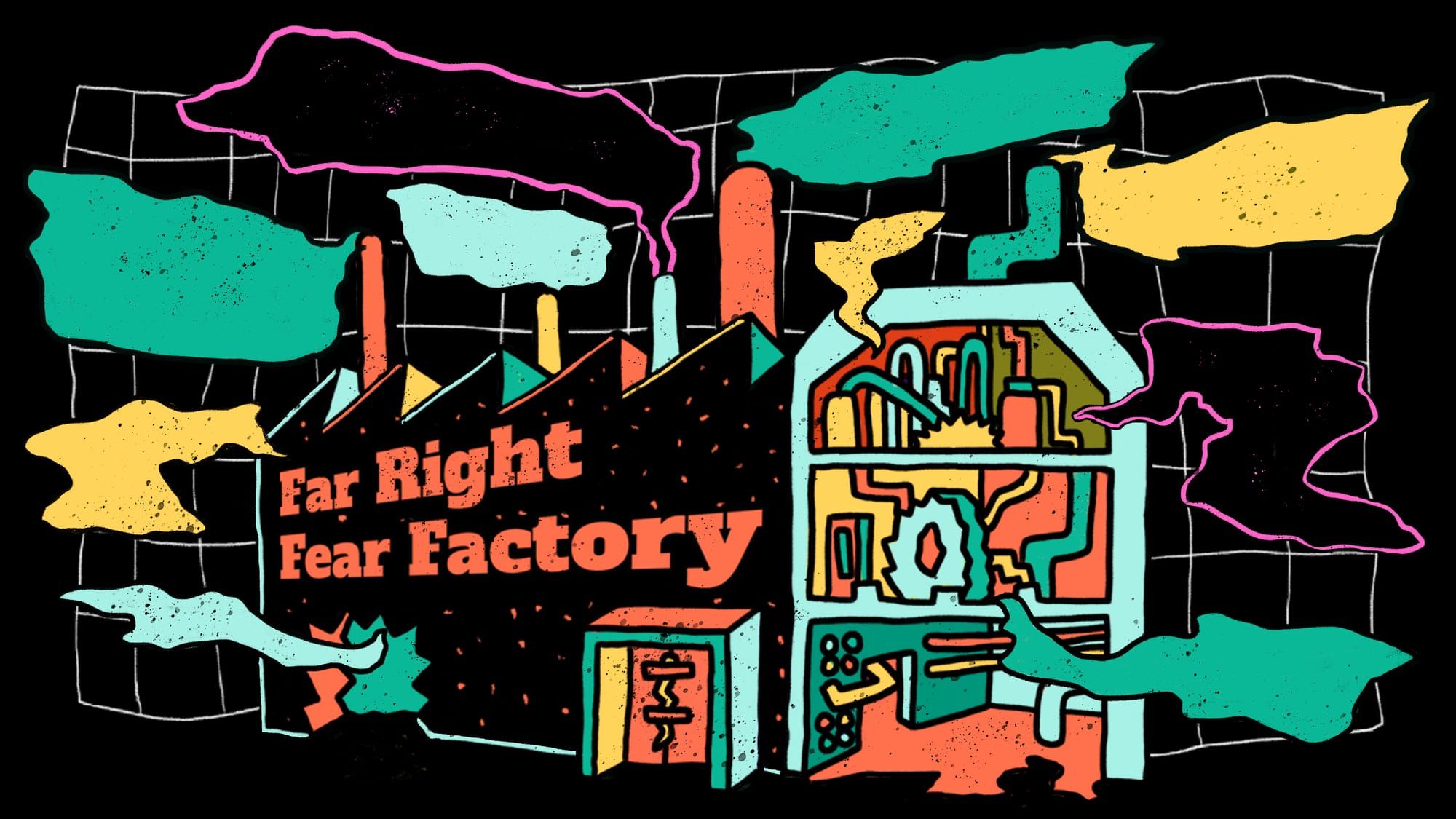
Across Europe, far-right movements and political parties are gaining popularity, from Britain's Reform UK to Germany's Alternative für Deutschland. Understanding the reasons why this is happening means peeling back layers to uncover the organized and well-funded engine behind it.
Much of the far-right ideology is rooted in racist, sexist narratives that rely on gender-based disinformation, like ‘the great replacement’ conspiracy theory and global anti-abortion misinformation networks.
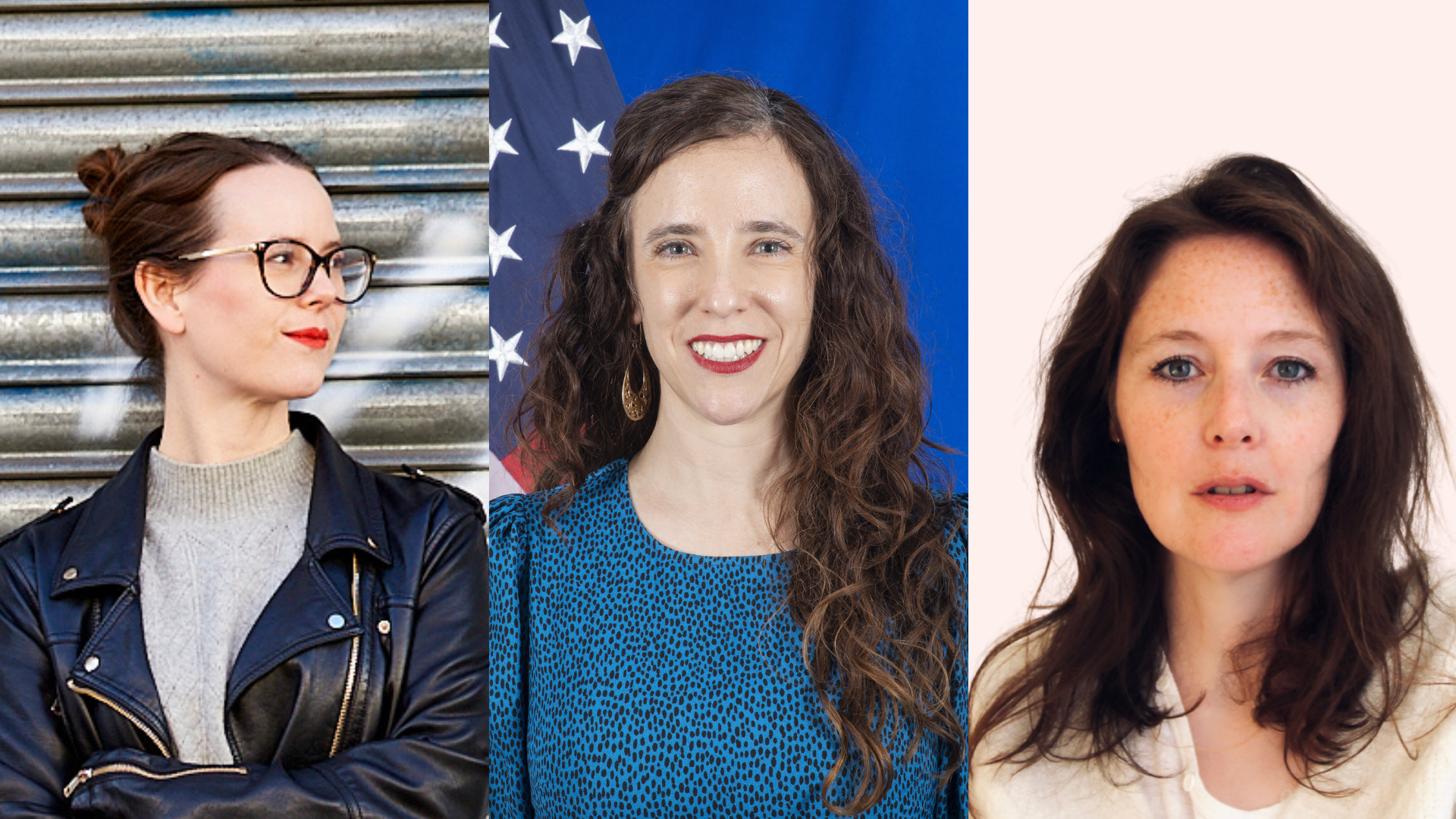
In a roundtable hosted by Fuller with investigative reporter Sian Norris, human rights senior advisor Elizabeth O’Casey, and former US diplomat and human rights expert Jessica Stern, we broke down far-right narrative hallmarks and the harm they can cause for women and LGBTQ+ communities.
Play the long game and be open to collaboration
“‘Anti-abortion organization shares disinformation’ is not a story, it’s a day with a Y in it,” says Sian Norris, senior investigative reporter at openDemocracy.
A long-term investigation by Norris revealed how the EU unwittingly funded an anti-abortion group that failed to provide promised reproductive health education. The impact of the story was huge: the EU stripped the group of funding after an internal investigation. And it came about because Norris took her time, collaborated with researchers and civil society to get the data she needed, and other newsrooms to increase reach.
“It can be so easy when you're a journalist just to be beavering away on your own,” Norris says. “But actually, when you reach out to other people, experts, and your community in this field, you can get more information and have more impact.”
Build productive working relationships with civil society
“Make a commitment to come back to us more than once a year,” says Stern, a former US State Department lead on LGBTQ+ issues. “There is so much happening in this space, and we can feed countless interesting news ideas to you.”
Stern’s work, as co-president of The Alliance for Diplomacy and Justice, advocates for people who have been targeted based on their gender and sexuality. Many are deeply traumatized. “It's very hard to generate the feeling of safety to go on the record,” she says. “Don't give up on us. Just give us a little bit more time.”
Protect yourself physically, mentally, and digitally
“It really is important to think about if you need to put your body in the way of these spaces,” says Norris, who has covered far-right rallies undercover. “Or if it's safer to step back and work with someone who can.”
No matter if you’re at the desk or in the field, risk assessments and pre-planning are key:
- Don’t cover far-right protests alone; go with someone. Acknowledge that risk looks different for different people.
- Get safety training: the International Women’s Media Foundation offers sessions.
- Carry out a personal digital risk audit: Institute for Nonprofit News offers discounted DeleteMe subscriptions for members.
- Conduct a risk assessment when traveling: the Committee to Protect Journalists has resources.
- Have a crisis plan. Know what to do if you get doxxed, threatened, or sued, and keep records: Reporters Shield offers discounted protection against lawsuits for some newsrooms.
Avoid false equivalency
The far right tends to leverage everyday concerns around government accountability, the rising cost of living, and growing inequality. But their antidote – often framed as traditional family values, and increasingly, freedom of expression and women’s equality and safety – demonizes marginalized groups, like migrants and queer people, as the source of societal problems.
“The instrumentalization and monopolization of [human rights] language is unbelievably cleverly done. They present in such a sterile way these days that actually you have to sit for a long time to understand a lot of the language that they're using is extraordinarily bigoted, hateful, and harmful,” O’Casey says.
What grabs headlines is often over-simplified “both-side-ism”, she says. When the mainstream media fails to recognize the context or fears that people have, she says, “It allows the far right to scapegoat and monopolize and instrumentalize some of those legitimate fears and give the wrong solutions.”
For more tips, see:
- Future-Proofing: The Professionalization of an Anti-Rights Youth Generation, from Ipas
- How to avoid “both-sides-ism”, from the Democracy Toolkit
- Bodies Under Siege: How the Far–Right Attack on Reproductive Rights Went Global, by Sian Norris
Editor's note: The original version of this story misstated Elizabeth O'Casey's job title.
Lead illustration by Jawhar Soudani. Edited by Charlie Brinkhurst-Cuff
Lead illustration by Jawhar Soudani. Edited by Charlie Brinkhurst-Cuff