When protesting puts women’s safety at risk
The hidden toll of police repression
From France to Nigeria, how state repression shapes women’s health and political participation. Plus, good news from around the world, Carol Althaller on women’s political representation and Brazil elections.
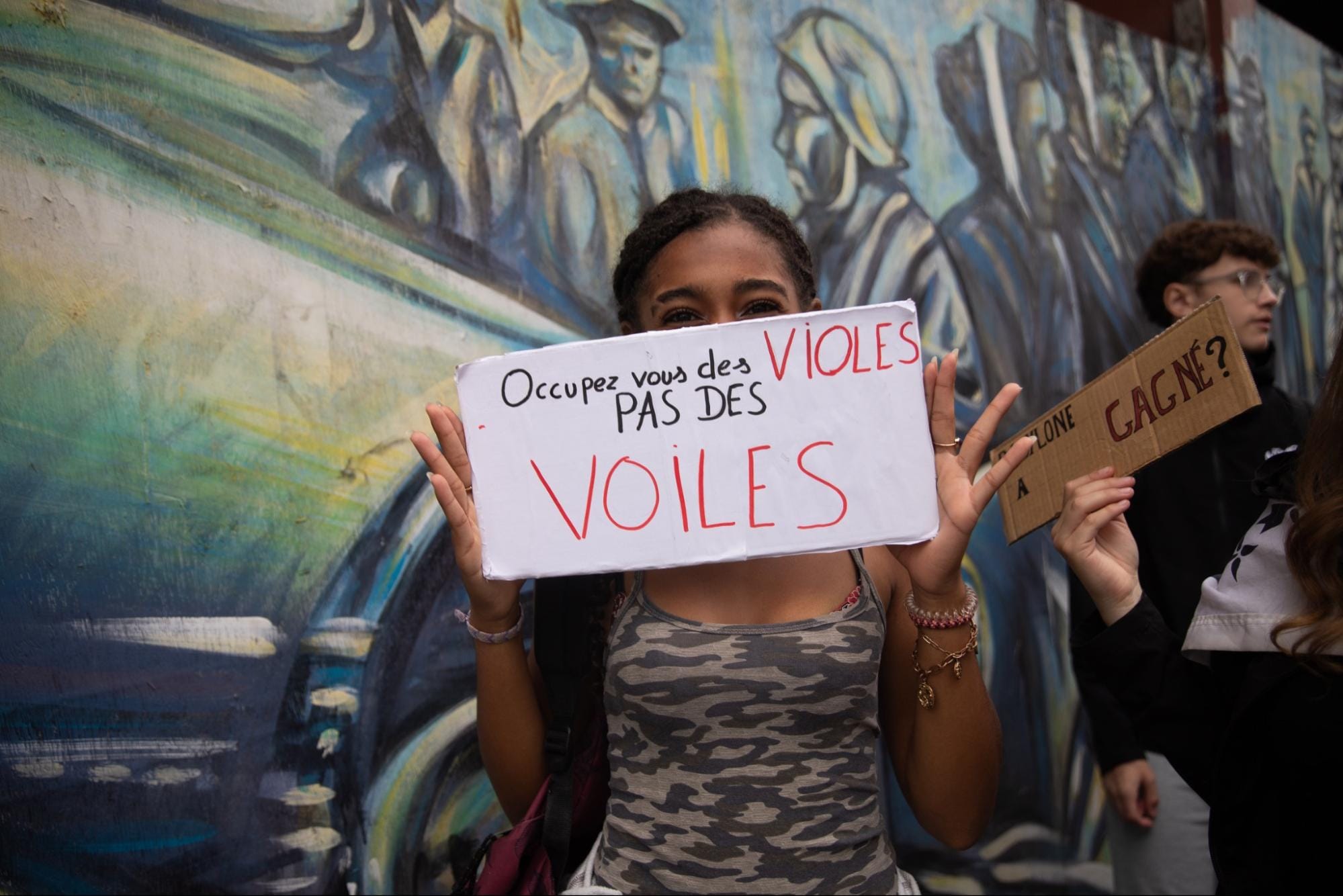

Emitomo Oluwatobiloba (Nimisire), a Nigerian feminist researcher and writer, joined thousands of other young people on the #EndSars protests against police brutality in Abuja in 2020. But as the crackdown intensified, so did the fear.
Nimisire was worried her phone had been hacked and became afraid to answer unknown numbers. She missed a call about a job interview because she feared she was being monitored. “I couldn’t even really tweet what I wanted anymore,” she told me last week. We were both in Nigeria discussing Gen Z revolutions at the Young Advocates for Democracy Network retreat, organized by the German Green political foundation Heinrich-Böll-Stiftung.
#EndSars demonstrators were protesting the brutality of Nigeria’s notorious Special Anti-Robbery Squad (Sars) police unit. On 20 October that year, Nimisire watched live footage of protesters being shot by the police and experienced a severe anxiety attack. She eventually stepped back from protest in 2024.