Germany’s most extreme party just won an election. It used anti-gender rhetoric online to do it. Plus good news stories from around the world and what Kelsey Morgan said about human trafficking.

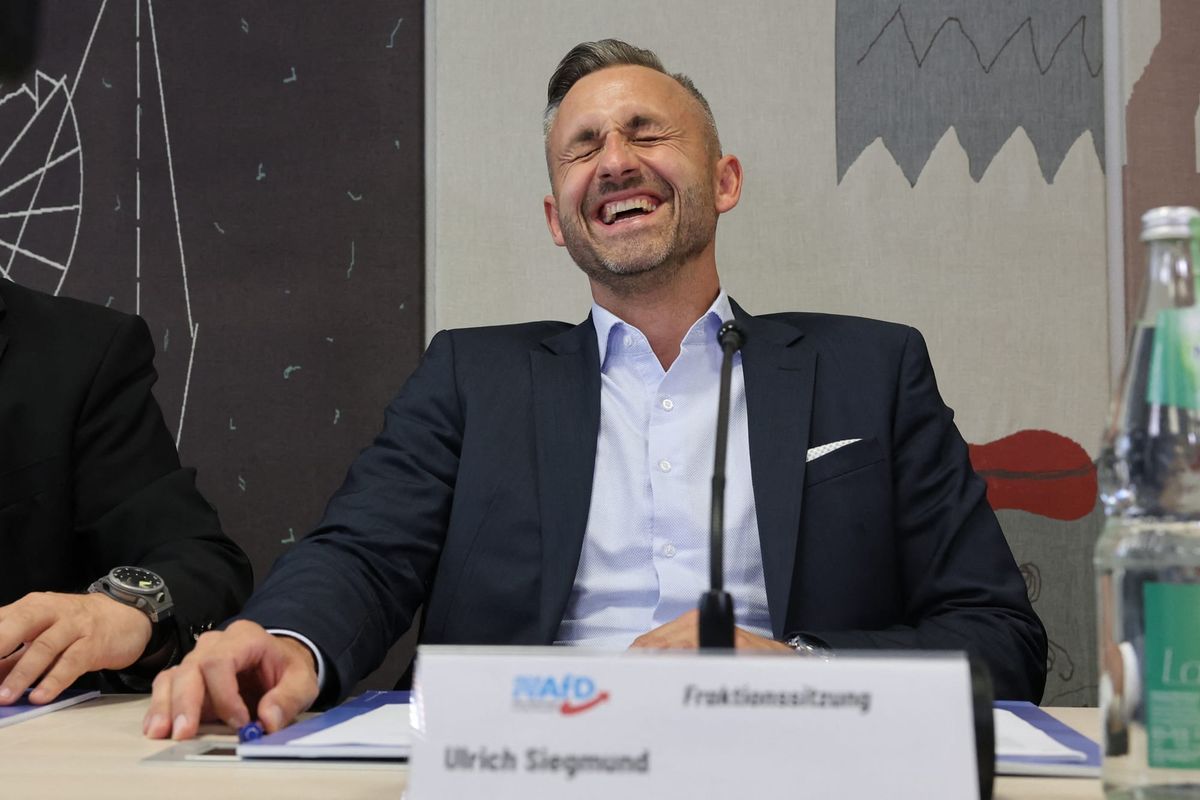
Germany’s “most dangerous man” has been busy on TikTok over the summer. Since July, Ulrich Siegmund, the leader of the far-right extremist Alternative for Germany (AfD) party in the Saxony-Anhalt region, told his 966,500 followers that “nobody needs gender studies”. He wrote that puberty blockers have no place in Saxony-Anhalt and implied that they sexualize children. He explained that everyone has the right to live freely – but funding LGBTQ+ projects is a “disproportionate” priority.
Last Sunday, the AfD won the regional elections in Saxony-Anhalt by a near-landslide. Nearly half – 44% – of the region’s population voted for a party that’s against feminism, LGBTQ+ folks and immigrants, and denies human-caused climate change. Mainstream politicians called the election win a “grave moment for Europe”.
The AfD victory can be partially explained by how successfully the party has mastered social media. Already in 2024, it was the political party in Germany getting the most traction on TikTok. Part of this is because the AfD is savvy about who it works with, from influencers to “grassroots” far-right groups that are really front organizations for the AfD. But another reason is that it’s really good at using inflammatory rhetoric, which the algorithm adores.
That rhetoric is rooted in the villainization of LGBTQ+ people.
Like many far-right groups, the AfD is obsessed with “remigrating” immigrants and non-white Germans. But a 2025 report in the journal German Politics found that the party has ramped up its anti-gender and anti-trans positions in recent years, particularly in eastern regions, which is where Saxony-Anhalt lies. Meanwhile, another study found that, compared to two other European populist parties, the AfD posts about “gender issues” the most.
The AfD used an anti-LGBTQ+ narrative as a key part of a buzzy social strategy that has paid off and translated into more votes. As a quarter of Europeans now back far-right political parties, I wonder: is it time for the left to try to beat them at their own game?
Danish feminist cyber expert Maia Kaike Lorentzen recently argued that to compete with the far right, the left must learn from how they leverage platforms like TikTok. Instead of “speaking nicely” and trying to be the “counter-weight” to the far right’s populism, as she put it to the Danish newspaper Information, the left must adapt to what platforms want to see from content. This means taking a more provocative tone on TikTok and communicating more with visuals on Instagram.
For example: Caylee Cresta is a feminist TikToker with 2.8 million followers. One video, viewed 17.9 million times, features her responding to men critiquing women who gain weight after having kids with punchy questions like, “Who the hell are you to talk about letting yourself go after childbirth?” alongside other provocative takedowns that satisfy the algorithm.
It's not that the left should stoop to the far right’s level. It's that it needs to follow the rules that social media platforms have set for visibility and audience growth.
In a few weeks, other regions of Germany – Mecklenburg-Western Pomerania and Berlin – will hold their regional elections. The AfD is projected to perform very well in both. To me, this is a sign that it’s time for the left to do things differently. Even if that means getting more controversial on TikTok to drown out the noise of the far right.
The anti-gender narratives on Ulrich Siegmund's TikTok were identified with the help of FACTory, a disinformation flagger for TikTok created by Romanian investigative newsroom Context.
The backlash against gender justice is organized, political and global. Help fund the journalism that tracks it. Support Fuller with a $3 tip.
The glass half full
Good news stories around the world about women and gender-diverse people.
- Girls in Afghanistan have found new ways to continue their education. A study of more than 2,600 Afghan girls and young women found that despite Taliban restrictions, many continued their education through private courses, online learning, skills training and self-study.
- India's women's hockey team has changed how athletes manage their menstruation. The team is now focused on understanding how menstruation affects each player, where they are in their cycles and any discomfort they may be experiencing.
- Spain's football federation launched fertility support for female players and referees. The new program will provide access to fertility treatments including IVF and egg freezing, giving women in elite football greater freedom to decide if and when they become mothers.
- The Bulgarian top court ruled that the government must legally recognize trans people. After nearly a decade of legal battles, Bulgaria ruled that transgender people have the right to change their names and gender markers on official ID documents.

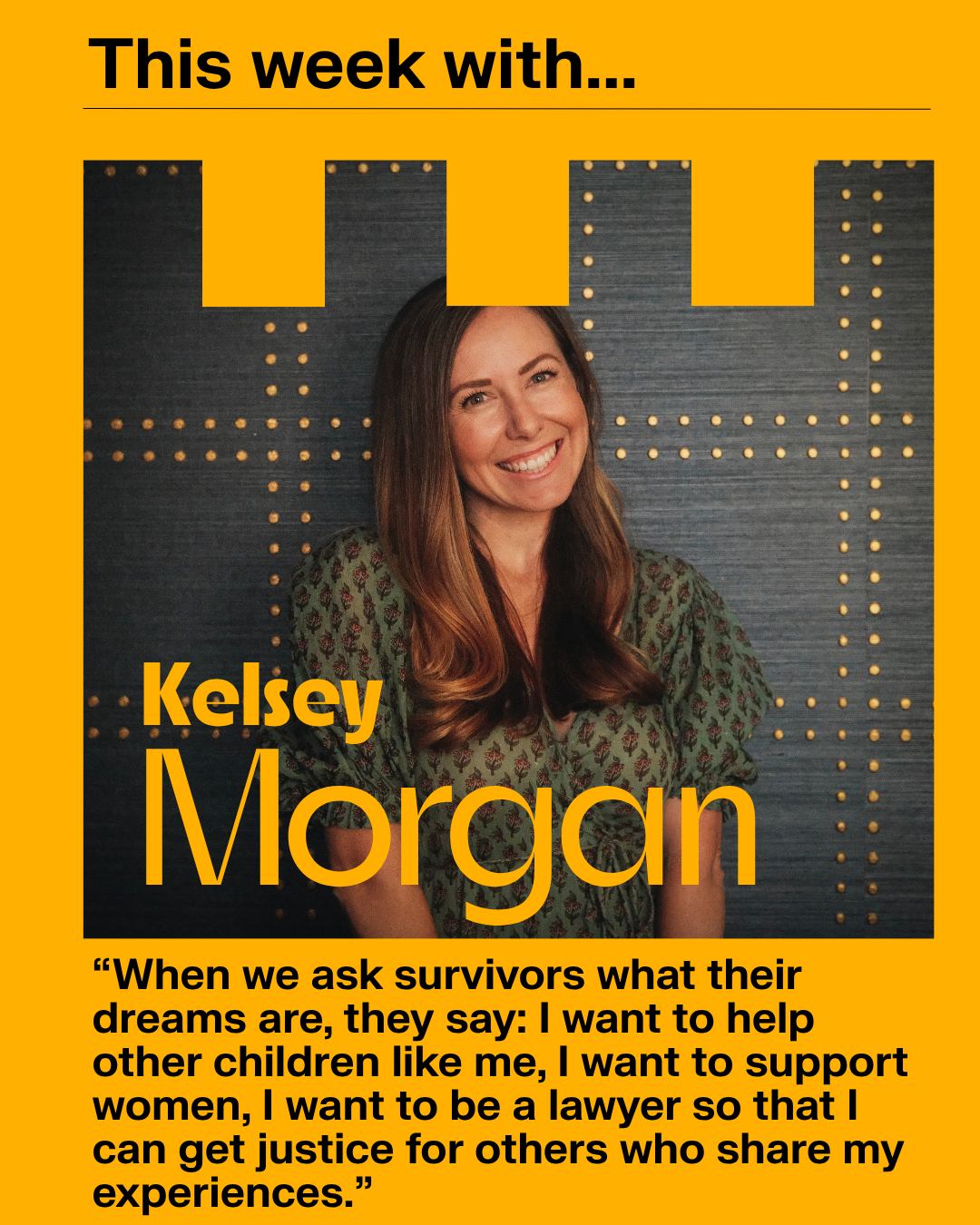
Kelsey Morgan is the co-founder and CEO of EverFree, a global nonprofit working to transform how the world responds to human trafficking, abuse and exploitation. She has spent 15 years working in the anti-trafficking movement, developing programs for survivors, advancing evaluation standards and building collaborations to strengthen the field.
Morgan launched EverFree in 2021. Today, the organization works across 11 countries, helping survivors break cycles of abuse and exploitation through care that is shaped by survivors themselves, while using technology to make support more accessible. Morgan spoke to Fuller about what we overlook when it comes to exploitation, what freedom looks like for trafficking survivors, and more.
What do communities often overlook when trying to protect women and girls from exploitation?
Kelsey Morgan: Similar to conversations about abuse, our conversations about preventing exploitation often center around stranger danger and red flags to look for. But the evidence is clear that most cases of abuse and exploitation begin with someone the survivor trusted: a boyfriend, a family member, an employment recruiter. To protect women and girls, we need to equip them with this knowledge and the tools they need to identify who is safe and who isn’t. Human trafficking thrives on exploiting vulnerabilities. Our protection efforts must focus on understanding and addressing the vulnerabilities that make a woman or girl vulnerable in the first place.
What does “freedom” actually mean for someone who has survived trafficking? Is it rescue, recovery, independence or something else entirely?
"Rescue” for women and children who survive is not freedom, but the beginning of a long journey.
Freedom goes beyond exiting exploitation. It means providing the care and resources unique to each person to actually heal. We’ve heard many different responses to what freedom actually means to women and girls: financial independence, justice, physical health, social connectedness, and much more. Thousands of survivors have used our model and we’ve identified trends in what is most essential to finding lasting freedom, but we’ve also seen that there is no one-size-fits-all. Giving an individual the freedom to choose, to set their own goals and chart their own path is essential.
What's weighing on your mind at the moment?
Vulnerability keeps expanding faster than the global capacity to respond to it. Crises are compounding around the world, funding streams are drying up, and systems that were already stretched thin are leaving more people behind. I don't think that weighs on me alone.
It’s imperative that we reimagine the status quo and build new systems of care that have the potential to reach millions of people, not thousands, with care that actually breaks cycles of abuse and exploitation. To do so will require bold action, investment in new tools and ways of working, and creativity.
What life lesson has most shaped you?
One of our values at EverFree is optimism. When you work in this field, it would be easy to let the scale of the problem convince you that nothing you do matters. But I learned that optimism isn't about ignoring how bad things are, it’s about confronting the darkness and remaining hopeful that you can always do something to help. I believe that our capacity for joy and optimism is directly related to our capacity for grief and holding really tough realities. It feels counterintuitive, but as Rumi said, “Where there is ruin there is hope for treasure.”
Fuller's mission is to produce groundbreaking reporting that catalyzes positive change for women. Has there been any recent positive change for women that you've found particularly encouraging or inspiring?
What keeps me hopeful is watching survivors lead their own journeys, and then go on to lead in their communities. We have survivors on our team who now support other survivors and survivor coalitions that inform EverFree’s programs. Survivors have gone on to become social workers, educators, and advocates. Even when we ask survivors at EverFree what their dreams are, these are the things we hear: I want to help other children like me; I want to support women by hiring them in my bakery; I want to be a lawyer so that I can get justice for others who share my experiences. When we trust that women and girls have the capacity to make meaningful changes in their own lives, we will see entire communities transformed.
This interview has been edited for length and clarity.
Quiz answer
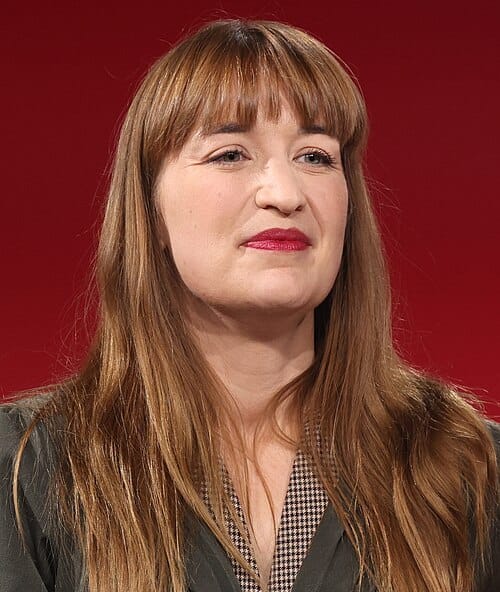
The answer to our feminist history quiz is: B, Germany’s “Queen of TikTok” is left-wing politician Heidi Reichinnek. Boasting almost 800,000 followers, Reichinnek blasted to social media fame after she gave a speech proclaiming “Don’t give up, but fight back, resist fascism … We’ll all take to the streets … To the barricades!” The clip went viral, and since then, she’s made reels about everything from domestic violence to migration – using the same snappy tone as the right wing, but for the opposite ideological cause.
Fuller exists because readers like you believe women's stories need to be told from a global perspective. If you believe in that work too, support Fuller with a $3 tip.