Women are betting more and they’re paying the price. Plus good news stories from across the world and how filmmaker Aditi Gangrade’s experience with ADHD led her to create a space for the neurodivergent community in India
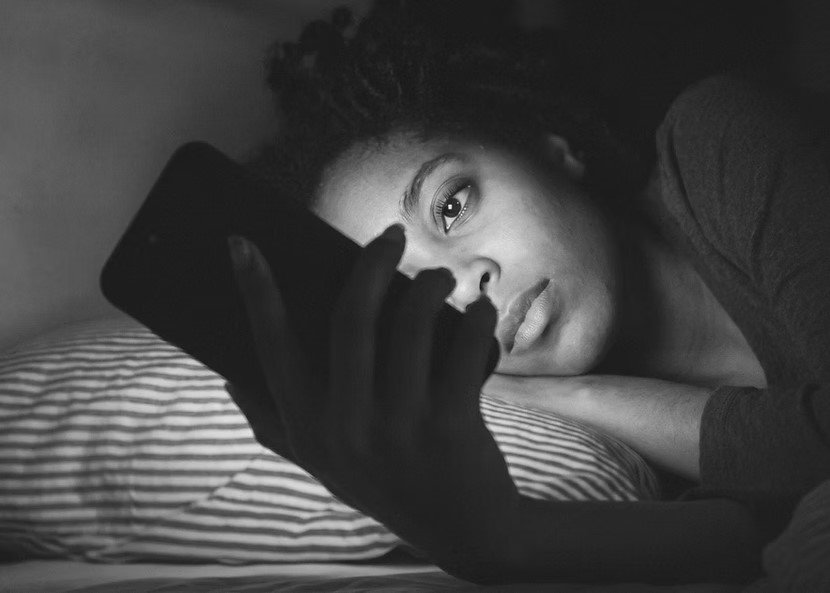

There’s a lot to unpack in the latest controversial ad featuring Sydney Sweeney: it’s a prime example of the manosphere’s version of sex sells and it threatens hard-won victories against objectifying women’s sports. But what really gets my attention is the industry behind it, and the growing number of women turning to online betting. Gambling has traditionally been seen as a male pursuit, especially in sports. But that is changing.
In the UK, the number of women seeking treatment for gambling addiction more than doubled in five years. In the US, women made up 35% of online sports gamblers last year, up from 26% in 2022. In my home country of Brazil, the numbers are striking too. A recent survey found that 42% of Brazilian women have gambled online. Another 12% don’t gamble themselves but are affected by someone close to them, including being the victims of threats and violence linked to gambling losses.
Overall, fun and entertainment are among the most common reasons why people gamble. But in Brazil, it’s often mothers who gamble in the hope of earning extra income to pay basic expenses and deal with debt. Among women who gamble, 72% are mothers, and they gamble about 1.6 times more often than women without children.
“Women are the most affected because they are the ones who care for others,” said Beatriz Pedreira, CEO of Clarice, the organization behind the new study. She told me that betting companies are tapping into women’s desire to care for and provide for their families.
“The promise can be as simple as being able to pay for a child’s school supplies, buy a birthday cake or buy better food at the supermarket,” she adds. But when that money is lost, Pedreira says, women can feel they have failed and that can have devastating consequences on their mental health.
One woman she spoke to began thinking about taking her own life and her daughters’ lives after she “lost everything” due to gambling. The woman described herself as being in “total despair”. The survey found that 18% of women were introduced to gambling by influencers through a ”pyramid of trust,” where women influencers encourage followers to bet as a form of income.
There’s another side to this, too. Betting is bringing new money and attention to women’s sports. But it comes with a cost. Last year, female tennis players were targeted with more than 12,000 abusive posts and messages on social media, with 42% of verified abuse coming from angry gamblers. And that brings me back to Sweeney. The ad featuring her may seem harmless, but it is part of a growing strategy to normalize online gambling, while society is just beginning to grapple with the long-term consequences.
Have you ever gambled, or seen someone close to you affected by gambling? We’d love to hear about your experience at ester@fullerproject.org
Women are increasingly being targeted by the gambling industry. Fuller is here to ask who benefits and who pays the price. Support us with a $3 tip.
The glass half full
Good news stories around the world about women and gender-diverse people.
- Hungary is moving to roll back some of its anti-LGBTQ+ restrictions. The country’s new government has submitted a bill to repeal laws introduced under Viktor Orbán that restricted LGBTQ+ representation and gender-related content for minors. It has also pledged to reverse rules that effectively prevented same-sex couples from adopting.
- A new definition of heart attack could help improve diagnosis for women. The new global definition recognizes different causes of heart attacks, including some that are more common in women. It also reinforces the use of sex-specific thresholds for troponin, a protein measured in the blood to detect heart muscle injury, which could help reduce under-diagnosis of heart attacks in women.
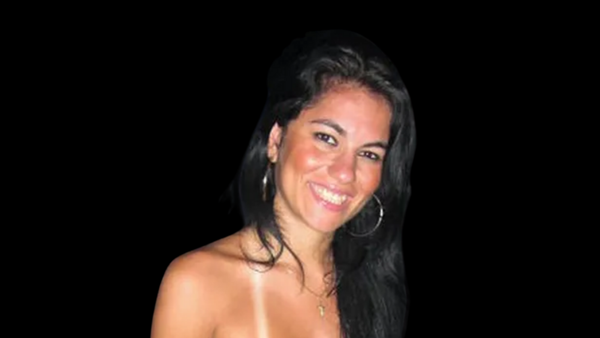
- The Panama Canal has its first woman administrator. Ilya Espino de Marotta is now responsible for overseeing one of the world’s most important trade routes. A naval engineer who has worked at the canal for decades, she is the first woman to lead the waterway in its more than 100-year history.
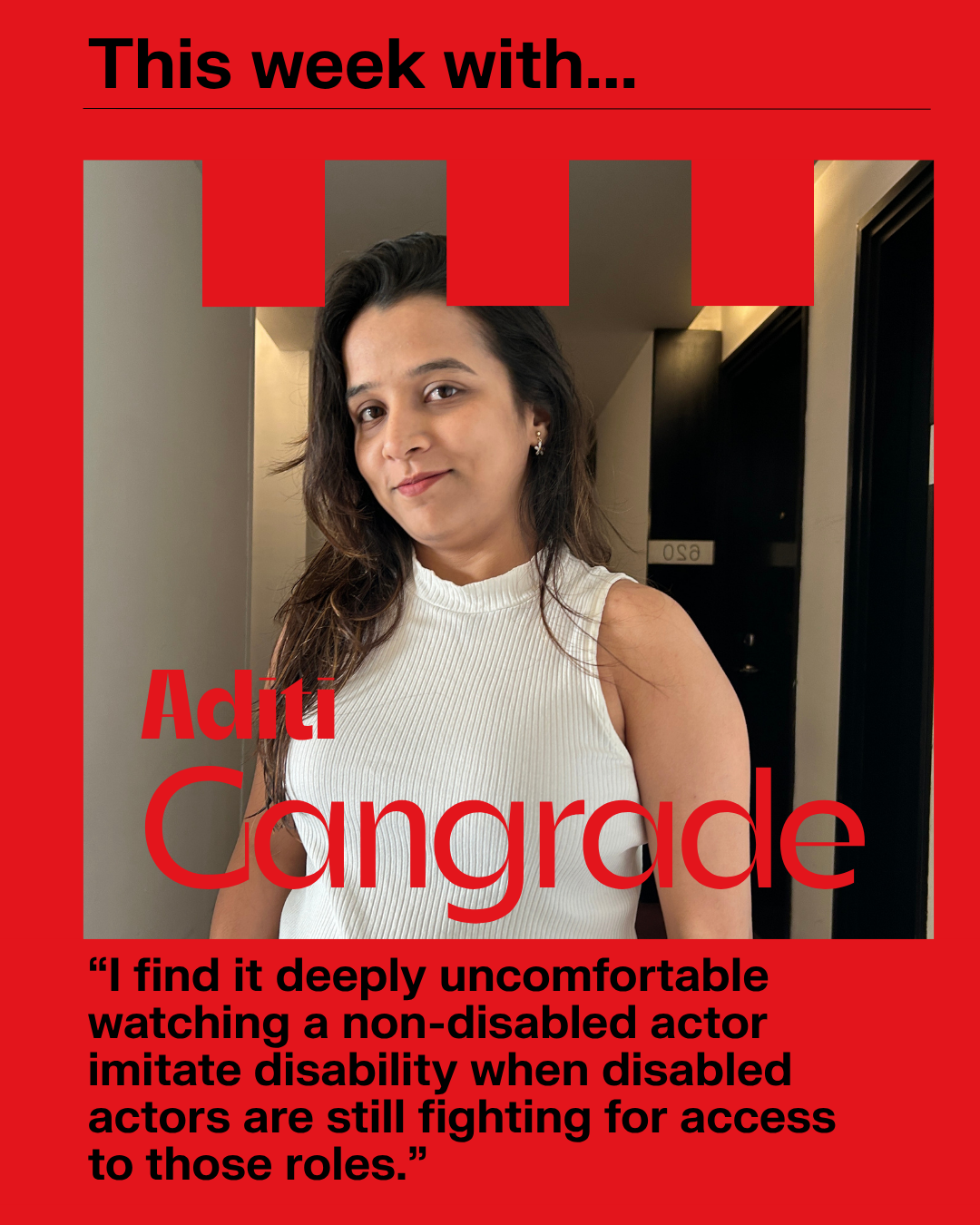
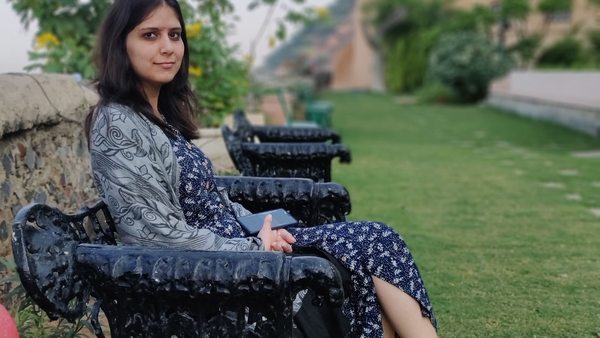
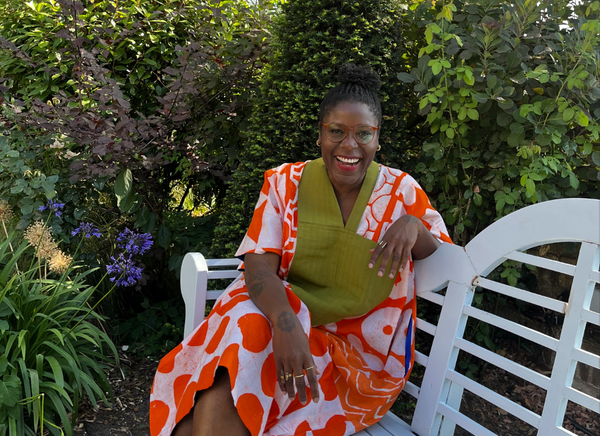
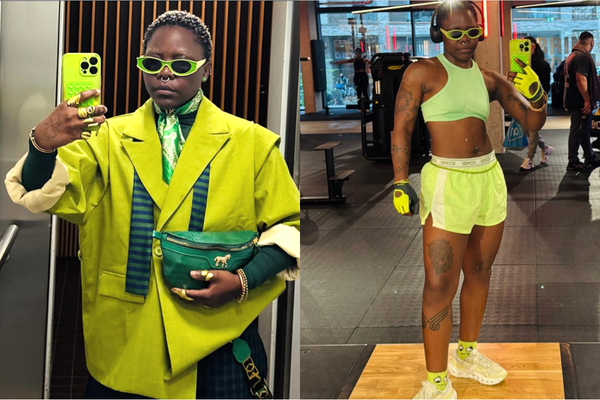
Living with ADHD and an autistic husband, Indian filmmaker Aditi Gangrade’s personal experiences led her to connect more deeply with India’s neurodivergent community. The co-founder of Much Much Spectrum, a youth-led community space aimed at amplifying marginalized voices through social storytelling, she tells stories that explore the intersections of gender, caste, class, neurodiversity and mental health – such as the story of a girl whose autism led her to become an artist and the experiences of women who are caregivers while living with autism and ADHD. Its aim is to create conversations around allyship and what it means to build more inclusive communities.
In this conversation with Fuller, Gangrade talks about learning to make space for a life beyond work, what meaningful representation really means, and why men who are willing to challenge misogyny give her hope.
What do you think the media gets wrong about representation, and what would you like to see more of instead?
Aditi Gangrade: Representation that imitates neurodivergence or disability without involving people who live it feels wrong to me. Representation is not only onscreen; it begins in the writers’ room, behind the camera and in casting. If you are creating a disabled or neurodivergent character, hire writers, directors and actors with that lived experience. People often say, “but it’s acting”. Of course. But these roles are also jobs, visibility and creative opportunity. I find it deeply uncomfortable watching a non-disabled actor imitate disability when disabled actors are still fighting for access to those roles. Lived experience should be part of authorship.
What’s weighing on your mind at the moment?
How to scale an impact media company at a time when social-impact funding is shrinking and this work can feel increasingly deprioritized. The solution cannot be for independent media to simply do more with less. Brands, foundations and nonprofits can commission lived-experience-led storytelling, fund longer-term partnerships, pay fairly, invest in intellectual property and treat impact media as part of social-change infrastructure rather than a communications add-on. If we want sustained reporting and storytelling on gender, disability, LGBTQIA+ lives, health and climate justice, the ecosystems around that work have to help make it financially sustainable.
What is something new you have learned about yourself in the past year?
I’ve learned that ambition can make your world very small. I love building, creating and chasing big goals, but I realized I had started turning almost everything into work: a trip could become networking, a dinner a client meeting, an idea a pitch. Building a bootstrapped media company with a lean team intensified that. This year, I’m learning to let parts of my life remain gloriously unproductive: baking, growing plants, exercising, eating well, traveling, and celebrating birthdays with family. My hyper-focus has helped me build my career. But I’m also slowly learning that knowing when to switch it off is a skill.
Has there been any positive change for women recently that you’ve found hopeful or inspiring?
What gives me hope is seeing more men challenge misogyny, toxic masculinity and rigid gender roles publicly and at home. Gender equality cannot be women’s work alone. I’m seeing men talk about invisible labour, unpaid care work, emotional labour, sexism and equitable partnerships in ways I saw less of growing up. My husband, Aalap, has also begun speaking about these ideas through his own work. I grew up in small-town India, where patriarchy often felt normalized. So watching men question what they inherited and take responsibility for changing it feels powerful. It reminds me that culture can move.
This interview has been edited for length and clarity.
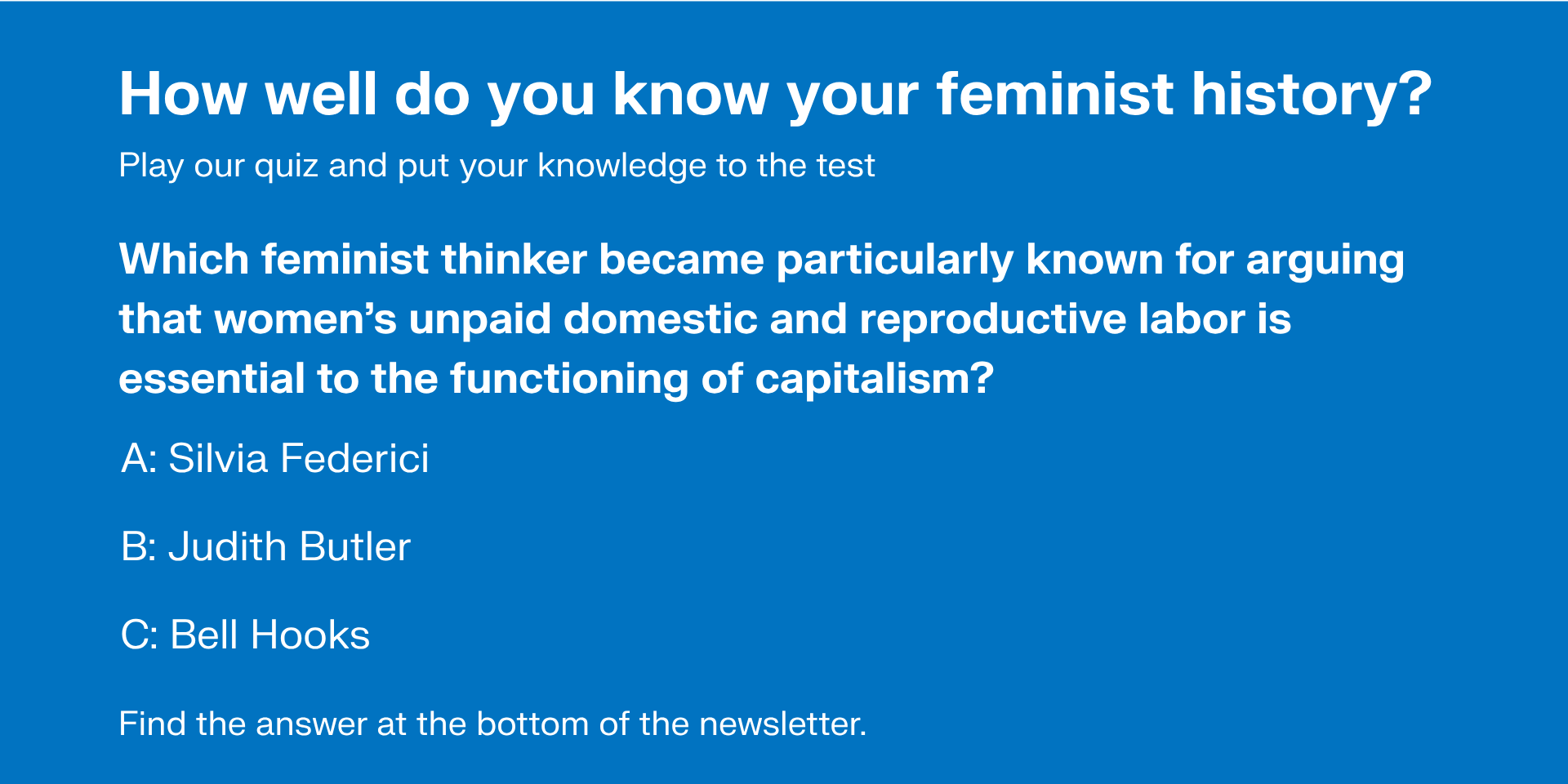
Quiz answer
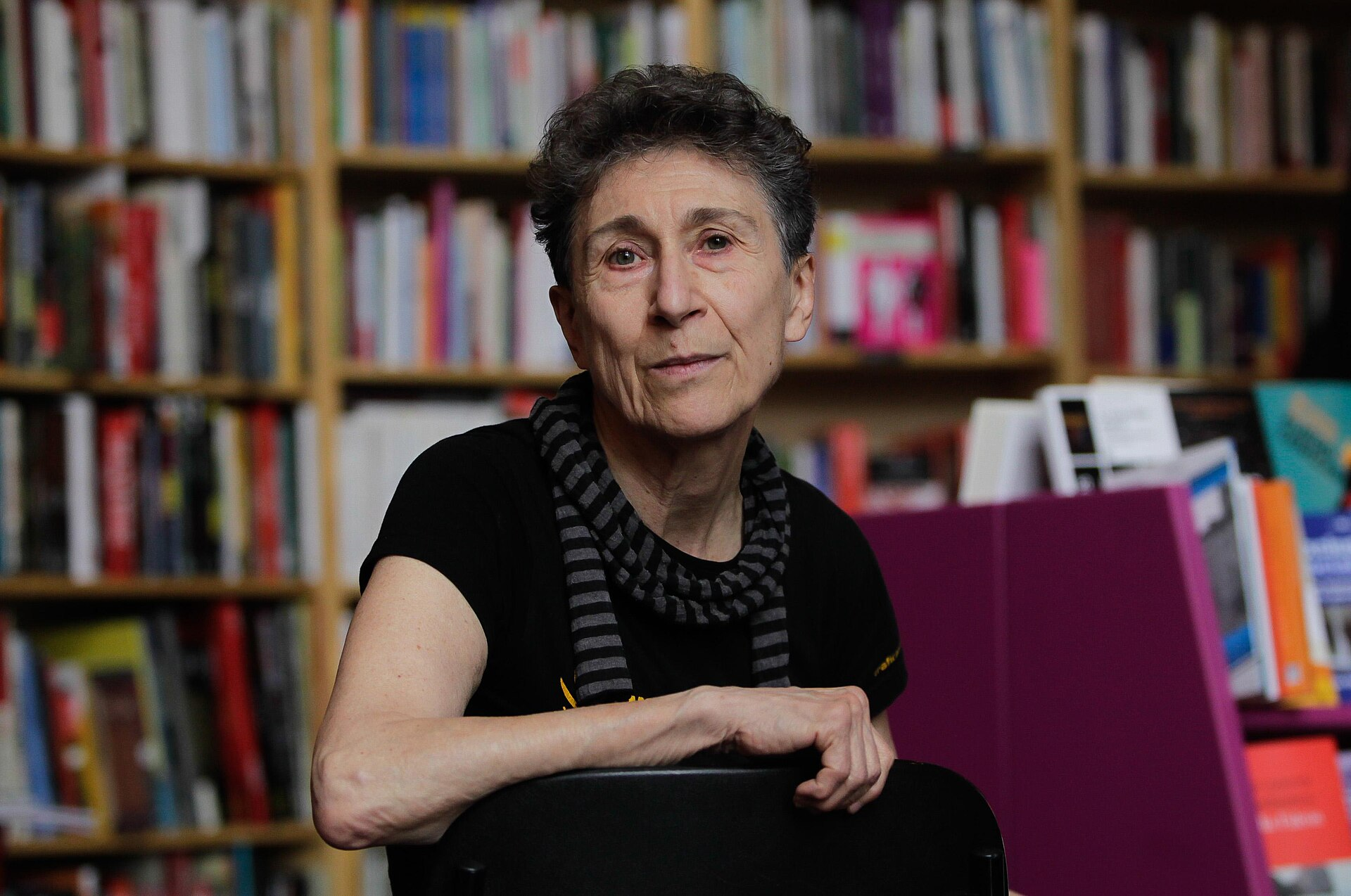
The answer to our feminist history quiz is: A, Silvia Federici. She is particularly associated with the argument that unpaid domestic/reproductive labor is essential to the workforce and therefore to capitalism. Her 1975 essay, Wages Against Housework, explicitly argued that women’s unpaid housework is essential to the functioning of capital.
Fuller exists because readers like you believe women's stories need to be told. Support independent journalism with a $3 tip.