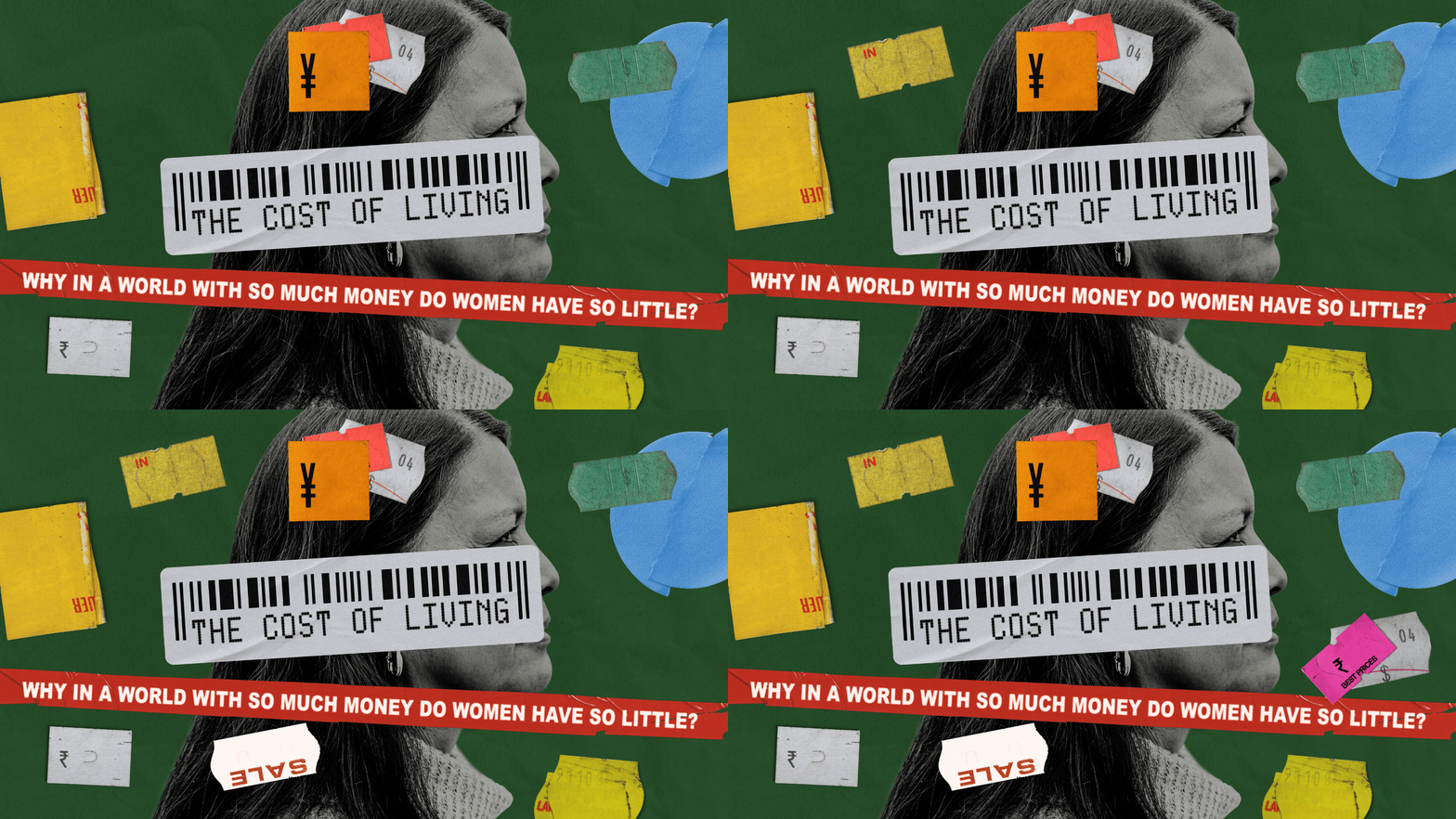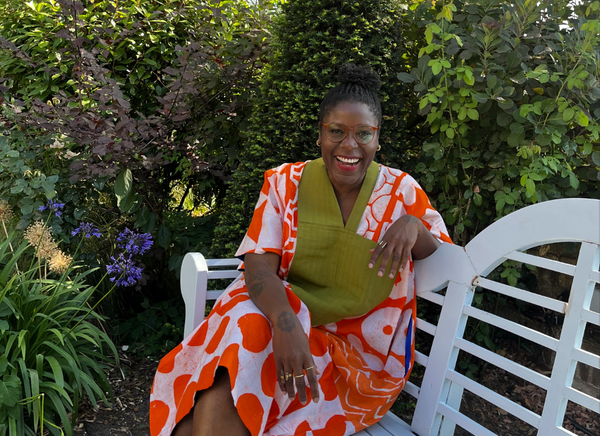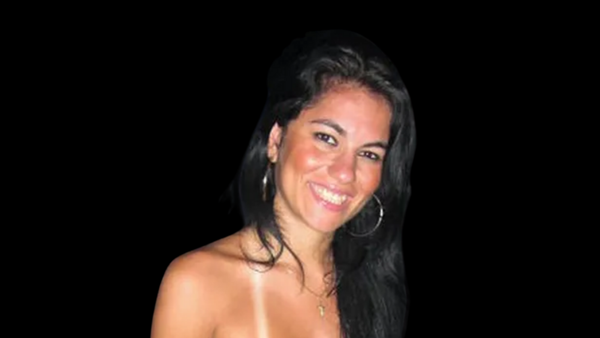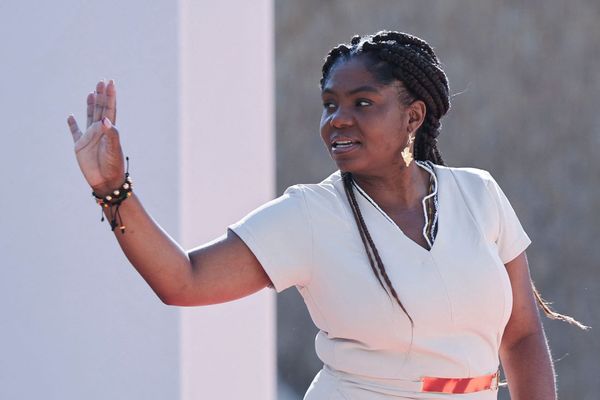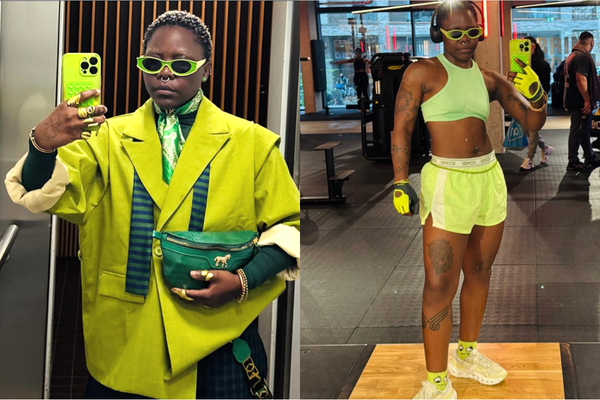
This week, Fuller’s tech correspondent on trying to find evidence that PayPal does what it says; and dominatrix turned tech founder Madelaine Thomas talks online safety

57. That’s the number of ex-PayPal employees I cold called, emailed and contacted on LinkedIn over three months while working on my latest investigation.
I needed their help making sense of what I’d found: far-right ‘femonationalists’ using PayPal to sustain their Islamophobic, racist or xenophobic work. I had found nine sellers co-opting feminism to promote hate and needed to know why they seemed to be slipping through the cracks. After all, PayPal’s acceptable use policy explicitly prohibits transactions that promote any form of discrimination. I needed to speak to people inside PayPal.
Five ex-employees would agree to speak with me, anonymously. What they shared was insightful and critical of PayPal. They described an organization looking for cost savings through AI and staff cuts. On top of that, three alleged that they were encouraged to accept business from extremist merchants. But it’s what they couldn’t say – or show – that I’m still thinking about: despite PayPal’s publicly available guidelines and a widely promoted project to tackle extremism, no one I spoke to could recall, or provide any evidence of, internal instructions to actually deal with the problem.
I searched through public records and used open-source intelligence methods to try to find documents hidden in plain sight online. I asked the ex-employees I talked to. And I asked PayPal itself. Its spokesperson told me that the company devoted “significant resources globally to fight and prevent illicit and illegal activity” but couldn’t – or wouldn’t – show me a single piece of documentation to corroborate claims of its commitment to keeping far-right extremists off of its platform.
Despite this, since the story was published, some of the items that were sold through PayPal have been taken down. Others are still being sold and PayPal’s logo remains right there underneath them. So we are turning our attention to regulators and policymakers; making sure they are aware of how these groups fund their activities. If anything else changes, you can trust me to keep you posted.
For now, do read the investigation, co-published with Le Monde and investigative outlet Follow the Money. You can also hear me discussing this story – and the broader failings of Big Tech – on the FTM podcast, here. Have any feedback or tip offs for me? Drop me a line: Polina@fullerproject.org
Read Polina's full story here:
 Polina Bachlakova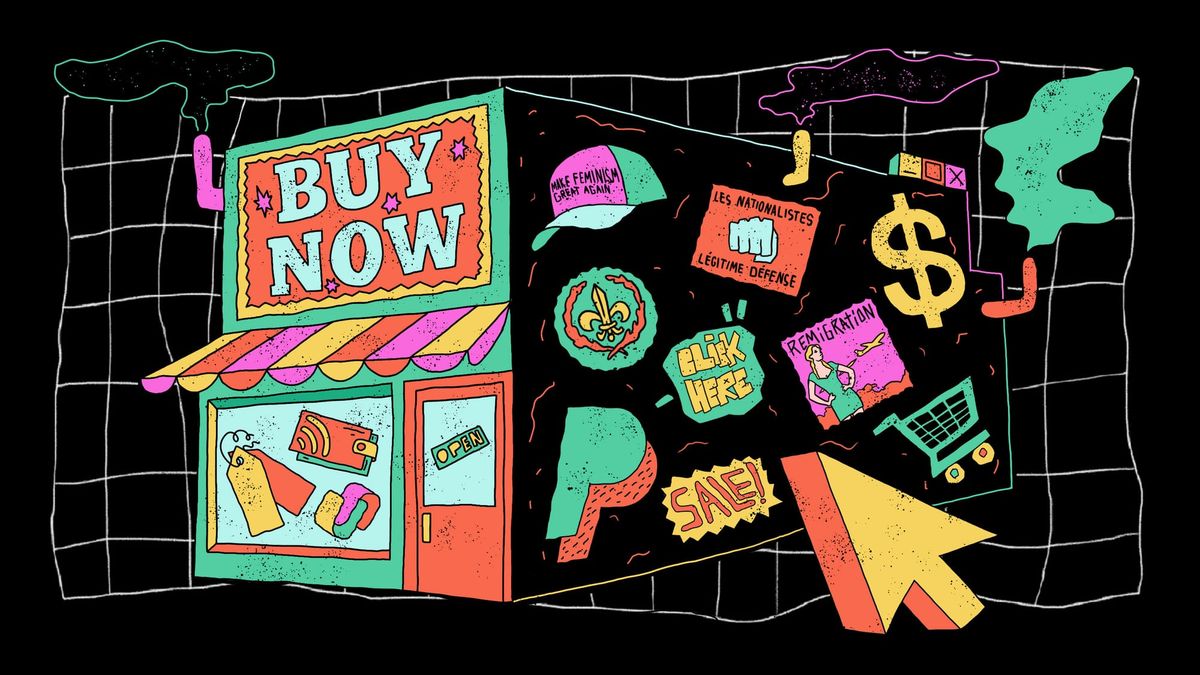
Polina spent three months on this story: 57 cold calls, five sources willing to talk on the record about what PayPal wouldn't show her. That's what it takes to prove a company's public promises don't match its private practice. Fuller funds this kind of reporting because few others will.
Fuller news
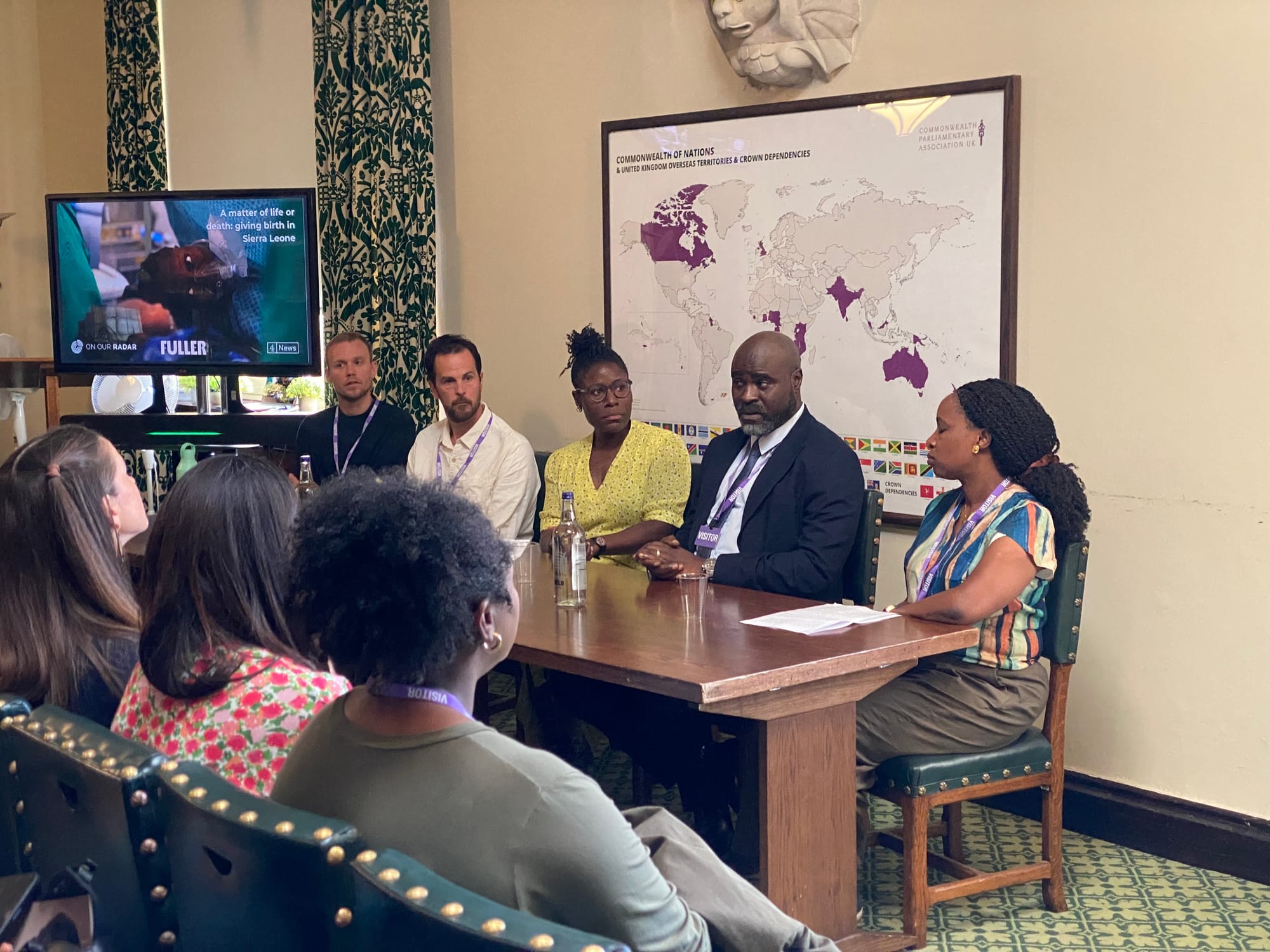
Fuller event held at the Houses of Parliament: On 2 July in London, Fuller led a lively discussion on the future of aid and maternal health. Produced in partnership with filmmakers, On Our Radar, and hosted by British member of parliament, Bobby Dean, this high-level event brought international and diaspora-led NGOs, philanthropists and government officials: Dr Mustafa Kabba, Sierra Leone’s deputy chief medical officer travelled to London specifically to attend the convening. Watch the doc and read Ester Pinheiro’s analysis, from our Motherhood edition – ‘Can Sierra Leone keep its mothers alive?’ – here.
Fuller is in the Arctic! Lead editor, Charlie Brinkhurst-Cuff, is on a research trip to Svalbard, a place that once had no female inhabitants and where no babies are allowed to be born. Watch this space…
The glass half full
Good news stories around the world about women and gender-diverse people.
Pakistan hosts its first National Summit of Women with Disabilities. The summit brought together advocates, policymakers and grassroots leaders to strengthen disability inclusion and highlighted their leadership.
Sudan's maternity wards reopen, offering hope to mothers. After years of disruption caused by war, the reopening, as reported by Aljazeera, is restoring essential care for pregnant women and newborns.
Hormone discovery could revolutionize endometriosis diagnosis. Researchers have identified a unique hormone pattern linked to endometriosis, paving the way for a faster and less invasive diagnosis.

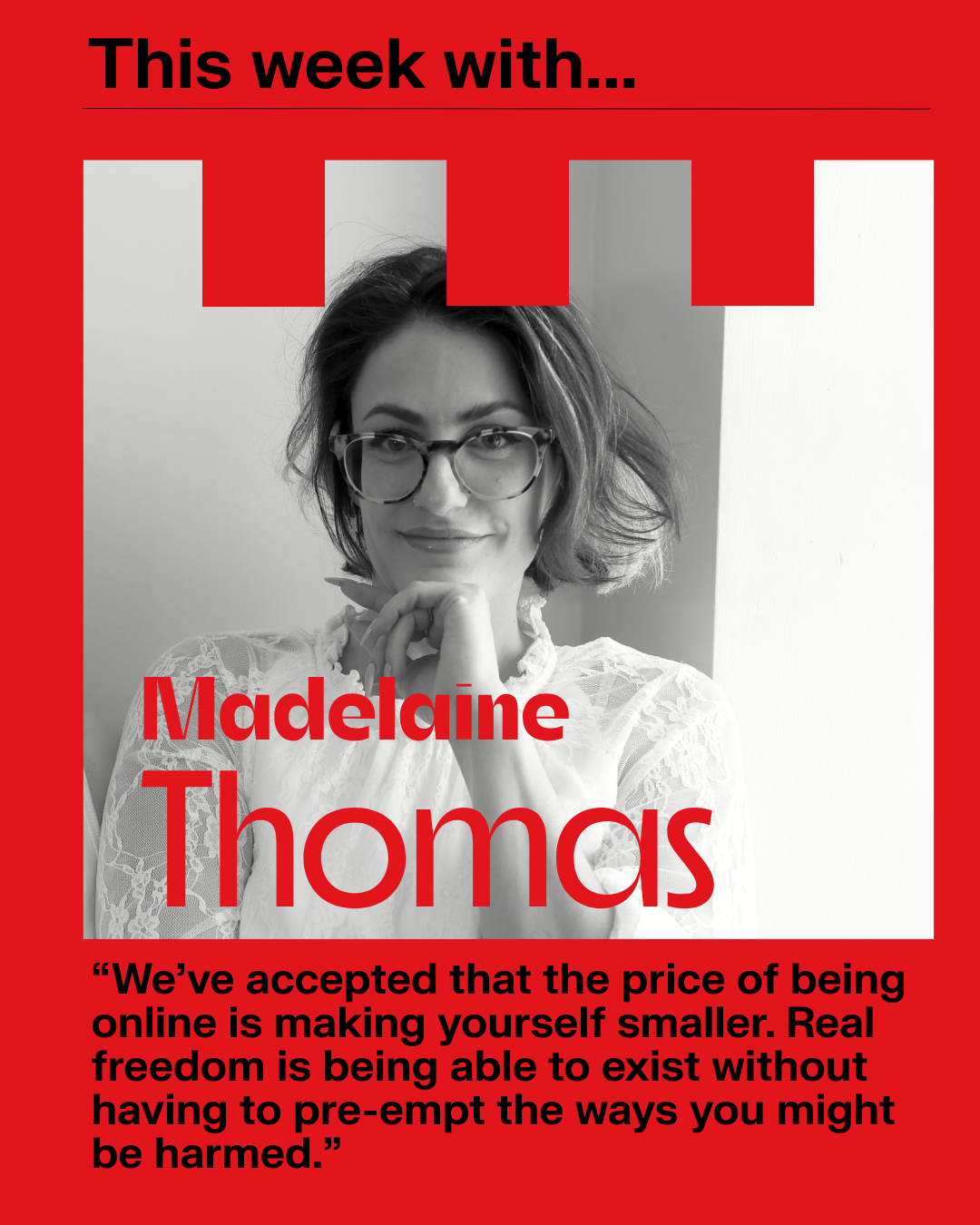
Madelaine Thomas is a dominatrix, turned tech founder. After having her own private images shared without her consent, Thomas started Image Angel, a technology company helping people protect their digital images from misuse. It does this by using forensic watermarking technology to help trace who has accessed and shared images and videos across digital platforms.
She talks to Fuller about “the selective urgency of power,” the rise of “preventative tech” and why women and other marginalized groups shouldn’t have to choose between being visible and being safe.
Your work argues that women deserve freedom without fear. Do you think women today are free online?
Madelaine Thomas: No. Far from it. Online safety – and offline too – still puts a heavy responsibility onto the most marginalized to avoid becoming victims: share less, post less. It’s a digital version of “watch your drink” or “what was she wearing?” We’ve somehow accepted that the price of being online is making yourself smaller. Real freedom is being able to exist without having to pre-empt the ways you might be harmed. We’re a long way from that, but I don’t think it’s naive to fight for it. If no one stands up, we crumble from apathy.
What’s weighing on your mind at the moment?
The selective urgency of power. We live in a world where the right person can get a decision reversed in an afternoon, but ask for women to be respected and protected and suddenly it’s too hard, too slow, too complex. The ability to act fast does exist. It just never seems to reach the people who need it the most. I despise that double standard.
What life lesson has most shaped you?
As my mum always says: it’s not what happens to you, but how you deal with it that matters. I really feel like I’m embodying that with Image Angel. I stopped wishing for a better digital world, I stopped looking around for someone else to be the adult. I stopped trying to run and hide from what happened and started asking: how can I change this? How I can stop it from happening to someone else?
What does justice for women affected by image-based abuse look like to you? Not just legally, but emotionally and socially…?
Justice should be swift and clear, and it shouldn’t cost the victim a single moment more of their precious time. Currently the burden to report, prove, relive and chase for answers falls on the person harmed and the process usually drags on for months. Even with a good outcome, is this really justice? Real justice would be changing the status quo, shifting behavior so harm stops happening in the first place.
Fuller's mission is to produce groundbreaking reporting that catalyses positive change for women and gender-diverse people. Has there been any recent positive change that you've found particularly encouraging or inspiring?
Actually, yes! For a long time platform safety models were reactive: uncover a harm, then respond. But places that still see preventative tech as a nice-to-have are performing their swan song. It feels like a change is coming as platforms are starting to actively seek out tech that protects and empowers before harm happens. That gives me hope.
This interview has been edited for length and clarity.
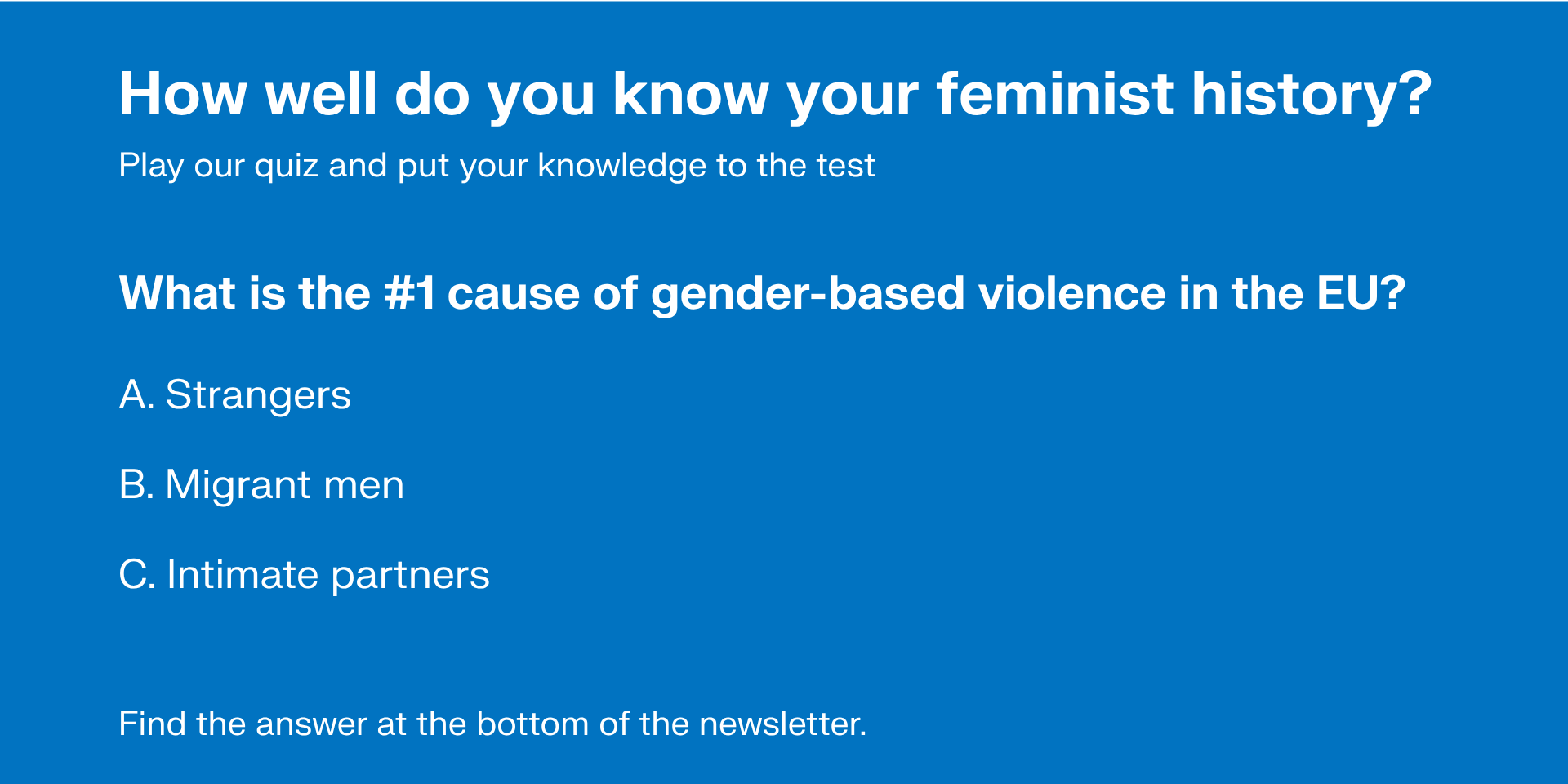
Quiz answer
The answer to our feminist history quiz is: C, intimate partners, according to official EU data. This debunks claims made by femonationalists across Europe who wrongly state that migrant men are the main perpetrators of sexual violence against women. The same disinformation narrative has also been used in the US.
The quiz answer above is about a disinformation narrative Fuller's correspondents spend real time debunking with data, not assumption. That takes fact-checking, sourcing and time most newsrooms don't have. If you're in a position to help fund it, donate today.