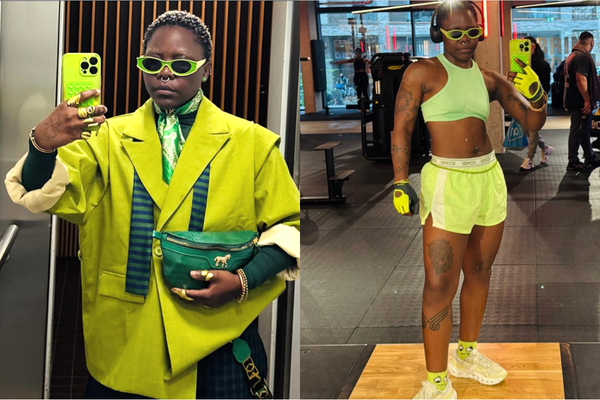
In the last of our summer series of newsletters, our lead editor reflects on Gloria Steinem’s death, a baking-hot summer in London, and what climate breakdown really means for women and gender-diverse people

Gloria Steinem, who passed away on 2 Sept 2026, helped bring American feminism into the mainstream, co-founding Ms. Magazine and fighting for reproductive rights, economic equality and an end to gender-based discrimination. She spent decades insisting that women’s lives and ambitions belonged at the center of public conversation.
For those of us working in feminist journalism, her contribution, and the path she helped lay, is impossible to ignore. But remembering someone’s legacy shouldn’t mean flattening it. This is a woman who worked with the CIA, and who has long faced criticism from Black feminists for failing to adequately confront racism, capitalism and other systems of power.
As summer comes to an end, and we bid farewell to her, here at Fuller we’re remembering Steinem’s legacy with both reverence and nuance.
It seems fitting, then, after a blisteringly hot summer in London, where I live, to be reflecting on what Steinem had to say on climate breakdown. “The truth is that global warming is a nuclear holocaust slowed down slightly,” she told ABC News in 2011, while also acknowledging how deeply climate change is connected to women’s rights.
I have just lived through what is sure to be the first of many prolonged droughts in my home city, where not a single drop of rain fell for two months. The ground was parched and cracked, the skies were always blue, and the hosepipe ban was in full force. In short succession, I read about a pregnant colleague in Paris struggling with the immense heat, the endless wildfires across Europe and North Africa, and then, finally, the melting glacier in Nepal, which is the likely cause of untold devastation and loss of life as well as acute risks for women and girls.
It has been, in many ways, a deeply unsettling summer, seen off by news today that, in the face of a “supersized” El Niño, British people should stock up on food and water in preparation for extreme weather. But even though some of these issues have knocked gently on my door, I know that for many others across the globe, and especially women and gender-diverse people, there is nothing new or surprising about this reality. For them, climate breakdown has been fully present in their lives for decades, changing how they raise their children, their livelihoods, their access to food and water, and whether they can safely remain in their homes and communities.
One of the core principles of ecofeminism, which Steinem was a proponent of, is that the domination of women and the domination of nature are interconnected: both are products of systems that value control, extraction, and hierarchy over care and interdependence. Steinem herself put it more simply: “The same idea of masculinity that says you have to dominate women says you have to dominate nature.” So as we remember Steinem and think about the world she leaves behind, this is the truth I’m holding close: “We are part of nature, not separate”.
Of course, I will be thinking about how to keep myself and my loved ones safe in the face of El Niño, but perhaps more importantly, I believe we should all be attempting to think and act with a global, interconnected, ecofeminist mindset.
The biggest stories in the world are interconnected. Fuller connects the dots—from climate breakdown to gender justice and beyond. Help us keep doing it.
The glass half full
Good news stories around the world about women and gender-diverse people.
- The EU granted €3 million to deliver lifesaving services for women and girls in Yemen. The funding will support nearly a quarter of a million vulnerable women and girls with emergency relief, reproductive healthcare, protection services and mental health support.
- A Ukrainian woman cleared mines left behind by the war. Some fields cleared by Antonina Kulhava's team are being farmed again, with sunflowers growing where mines were once buried. She helped make areas devastated by Russia's invasion safer for civilians and restored land to communities.
- Zimbabwe adopted a motion to recognize unpaid care work in national policy. The motion called for unpaid care and domestic work to be recognized in economic planning, including through legislation and a survey to measure its contribution to GDP.
- AI can detect signs of heart disease in women using mammograms. Researchers found that artificial intelligence could use routine breast cancer screening scans to identify women with heart disease, high blood pressure or a history of stroke.
What we're reading, watching and listening to this summer

- Bitter Melon by Liv Little: It’s not every day that you can say that your best friend has written (another) book. Little’s sophomore novel follows the road trip of a father and daughter through Jamaica, following a heartbreaking diagnosis and personal loss. Publishing in October!
- Paprika (2006), directed by Satoshi Kon: A mind-bending anime film about dream worlds and sci-fi tech that is said to have inspired Christopher Nolan’s Inception. I watched this with two of my close friends on a rooftop in August as the sun went down. Blissful.
- The Polyester Podcast: Ione Gamble and Gina Tonic are the iconoclastic hosts of this pop culture bonanza from intersectional feminist arts and culture publication Polyester Magazine. I don’t listen to many ‘chatty’ podcasts, but this one is always good fun, with recent episodes on the ‘kinda chic’ trend and extreme thinness.
Brazil widens gender violence law
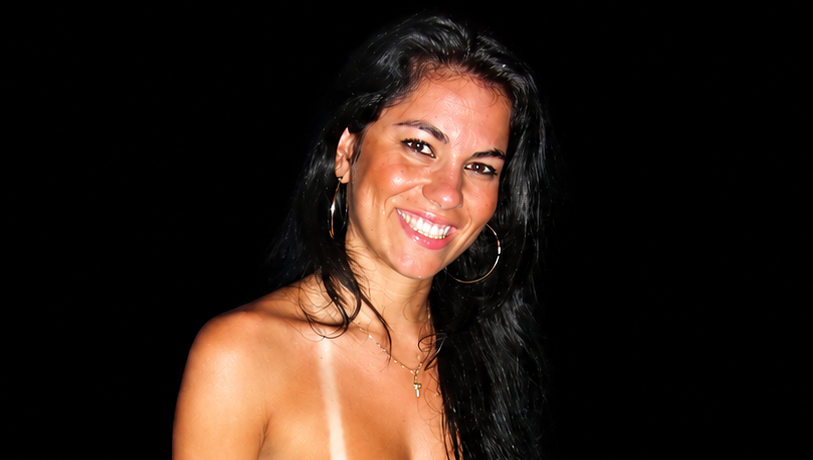
Ester Pinheiro here, Fuller’s health correspondent – I bring good news!
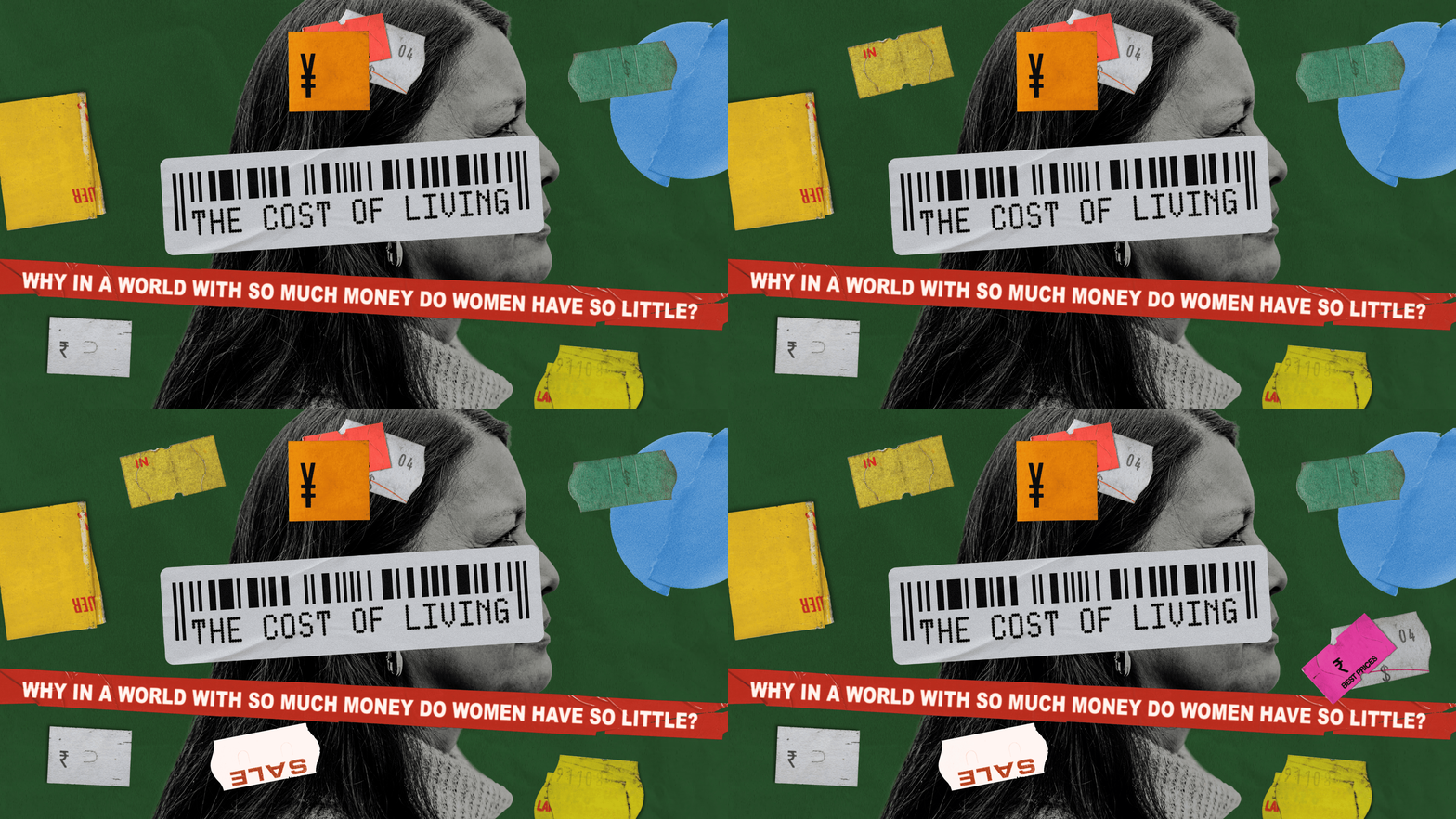
In our Cost of Living edition, I looked at how rising child support claims in Brazil put women at risk of threats, abuse and even femicide. The story came out around the 20th anniversary of the Maria da Penha domestic violence law. It was widely shared on social media by Brazilian lawyers, activists and republished in Portuguese by the Brazilian media outlet Mídia Ninja.
Last month, Brazil expanded the Maria da Penha law to cover gender-based violence committed outside intimate or family relationships, turning it into a broader gender-based violence framework. Moving forward, I hope these protections will be fully implemented for all women, including those seeking child support.
It’s an important win after years of mobilization and a reminder of why our reporting matters. At Fuller, we bring stories like these into the public conversation, helping keep pressure for change and amplifying the voices of advocates already doing this work.
My first act of rebellion
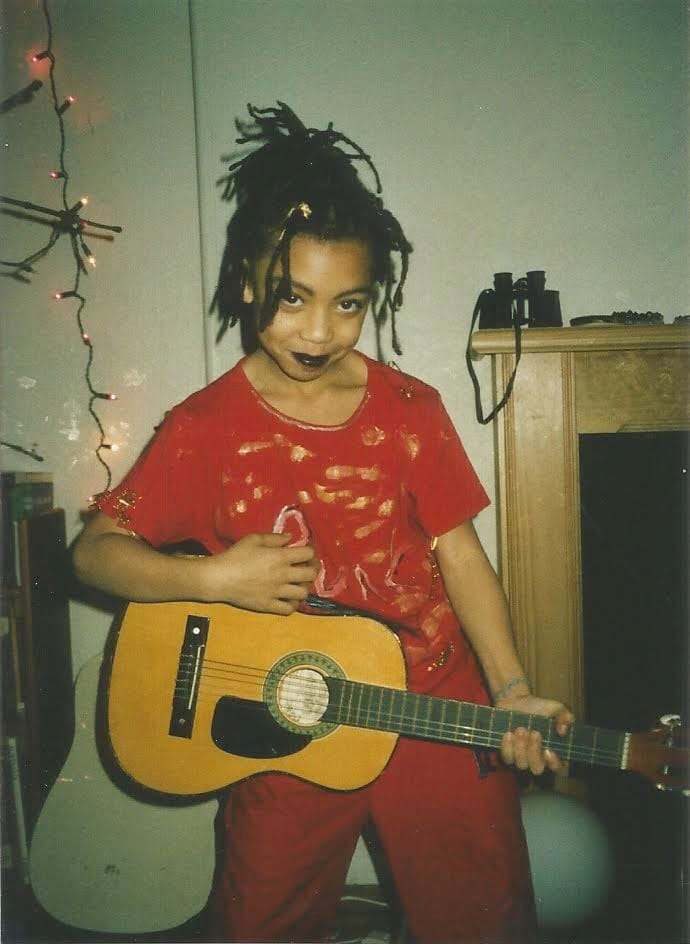
I knew that I didn’t believe in God from a very young age. Age seven, at my primary school in East London, I begrudged the fact that I had to attend religious assemblies (which, surprisingly in what’s widely understood as a broadly secular country, remain mandatory), and at some point, I noticed that a teacher would ask for all the Jehovah's Witnesses to stick their hands up, and then a small troupe of children would be led out of the hall.
I didn’t yet know the name for ‘atheist’, and so in my child’s mind, I jumped to the only logical conclusion: if these kids were allowed to skip the religious assemblies, they must not believe in God too! Jehovah's Witness must equal atheist. The next time the teacher asked the children to stand up, I stood up with them. I was a shy child, so I didn’t speak to any of the other children I was with. And so began a school term of sitting in a quiet classroom, colouring-in while my peers presumably sat through hymns and prayers.
Then it all fell apart: a teacher who knew my family (big up Sandra) happened to come into the room where we were sequestered. “What are you doing in here?” she asked me. “I’m a Jehovah's Witness!” I told her, enthusiastically. “No, you’re not?” Swiftly, I was put back into assemblies. But that small, inadvertent act of rebellion remains defining. Authority be damned; even in my shyness, I have never been someone who is comfortable with moral (or in this case, spiritual) injustice.
Fuller exists because readers like you believe women's stories deserve more than a passing headline. Leave us a $3 tip and help keep this work going.