Newsletter: The woman who could've changed Colombia
Land defender Francia Márquez may have remained an outsider in government but she's changed what can be imagined for Afro-Colombian women and girls

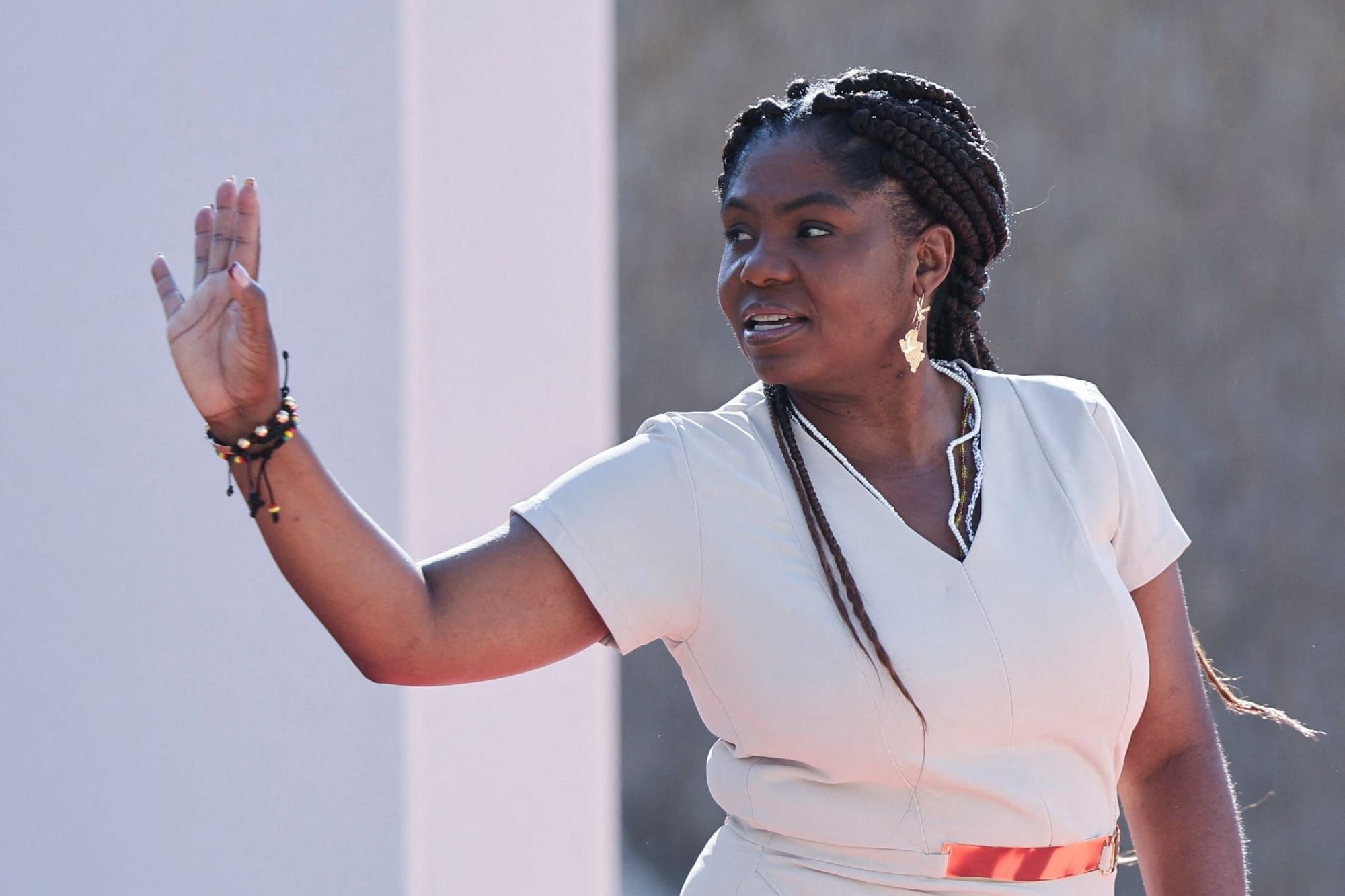
Far right-wing populist Abelardo de la Espriella won Colombia’s presidential election last Sunday in a razor-tight contest, beating leftist senator Iván Cepeda by less than 1% of the vote. It means outgoing president Gustavo Petro, regarded by some as Colombia’s first left-wing leader, and Francia Márquez, the country’s first black vice-president, will leave office in August.
Nearly a decade before Márquez made history by becoming vice-president in 2022, I first spoke to her after she had won a prestigious Goldman Environmental Prize, which honors grassroots activism.
At that time, Márquez was mostly just known to local environmentalists. She had built a reputation as a fearless and unwavering leader representing her Afro-Colombian community in the forested villages of the Cauca province, a conflict zone. There, she campaigned against illegal gold mining on the ancestral lands of Afro-Colombians – a population originally brought as enslaved people from Africa that makes up about 10% of Colombia’s population of 54 million.
Márquez told me about receiving death threats for her resistance against mining companies and for being forced to leave her home. Like many high-profile rights defenders in Colombia, she would travel with two government bodyguards and a bulletproof car for protection.
Márquez’s journey from maid turned lawyer, feminist Afro-Colombian icon and vice-president disrupted the political establishment in dramatic form in a country I've seen to be largely run by conservative white elites and businessmen. Having a black woman hold public office was, and still is, unusual in Colombian politics. As she once said, “I opened a door for excluded women.”
Yet the office of vice-president in Colombia is mainly a symbolic role and one that holds little influence. While she was a trailblazer, Márquez struggled to gain traction and clout in the corridors of power in Bogotá, where she remained an outlier and outsider.
Márquez has said racism prevented her from doing her job and making inroads. On social media, she faced a tirade of hate speech and racial slurs. On X, tweets have described her as a “primate,” “gorilla,” and “Queen King Kong”.
Along with being Colombia’s number two, Márquez was put in charge of creating the Ministry of Equality and Equity, aimed at improving women’s rights in a country where nearly two women are killed every day. After two years at the helm, Marquez was removed from the ministry in 2025, marking the culmination of an acrimonious relationship with President Petro.
Márquez’s abiding legacy lies in inspiring other Afro-Colombian women across the country’s remote and rural territories, who are too often ignored by politicians in the capital, to follow in her footsteps and to resist the status quo.
As she prepares to leave office, she will continue to represent hope and the possibility of change for women in Colombia and across Latin America. Márquez has said: “My invitation is for other women to dare to occupy these spaces.”
With a new far-right-wing government set to take power, it’s a call that is more urgent than ever.
Anastasia has reported on Francia Márquez and Afro-Colombian women's political participation for nearly a decade. Fuller's correspondents build these relationships over years so that when the political landscape shifts, we're already there.
That kind of reporting is slow and careful but also expensive. If you're in a position to support it, donate what you can today.
The Cost of Living has launched!
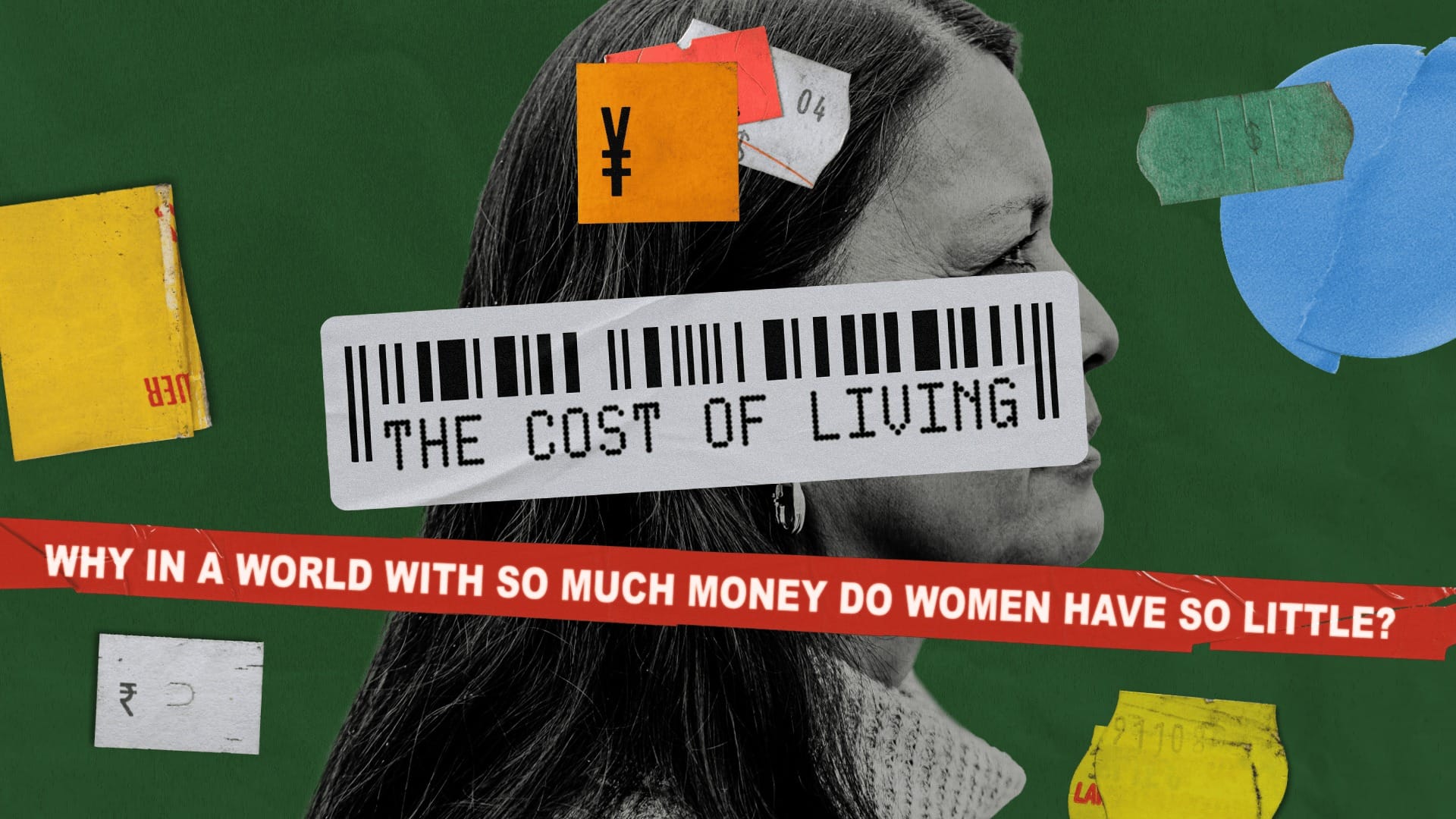
Our latest edition is live! As editor-in-chief Eliza Anyangwe writes in her letter from the editor: “Fuller’s fourth edition considers what price women and gender-diverse people have to pay to live, against the backdrop of war, rising inequality, a global fuel crisis, unaddressed gender-based violence, discriminatory policies and the virulent expansion of automated technologies that are coming first for jobs traditionally held by women.” Read the first piece of reporting from the edition below.
 Ester Pinheiro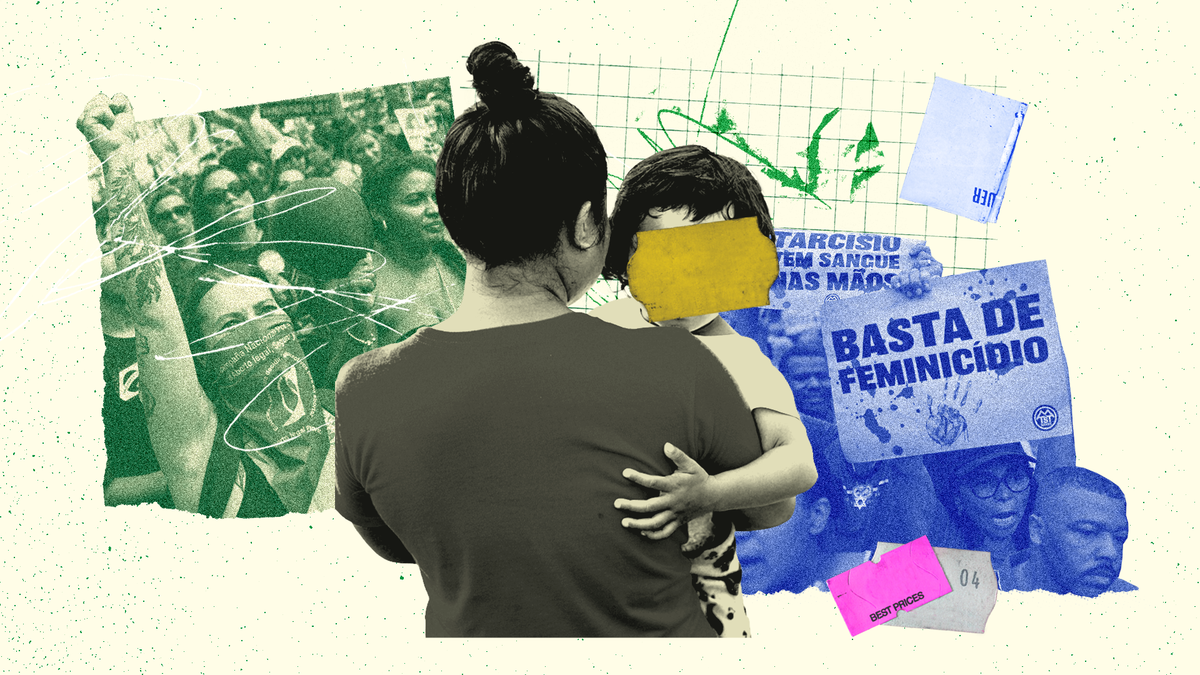
The glass half full
Good news stories around the world about women and gender-diverse people
Colombia has become the first country in the Americas to outlaw female genital mutilation the practice.
In Singapore, three survivors start The Moxie Collective – a community supporting survivors and pushing for greater awareness of image-based sexual abuse.
In the US, a new ruling from a federal court in June blocked the Trump administration's Bureau of Prisons from transferring 14 transgender women into men’s prisons, where campaigners say they would be at extreme risk of sexual violence.
In Nepal last week, the country’s Supreme Court ruled in favour of equal marriage for same-sex couples in a historic decision that orders the government to update laws that currently restrict marriage between a man and a woman.
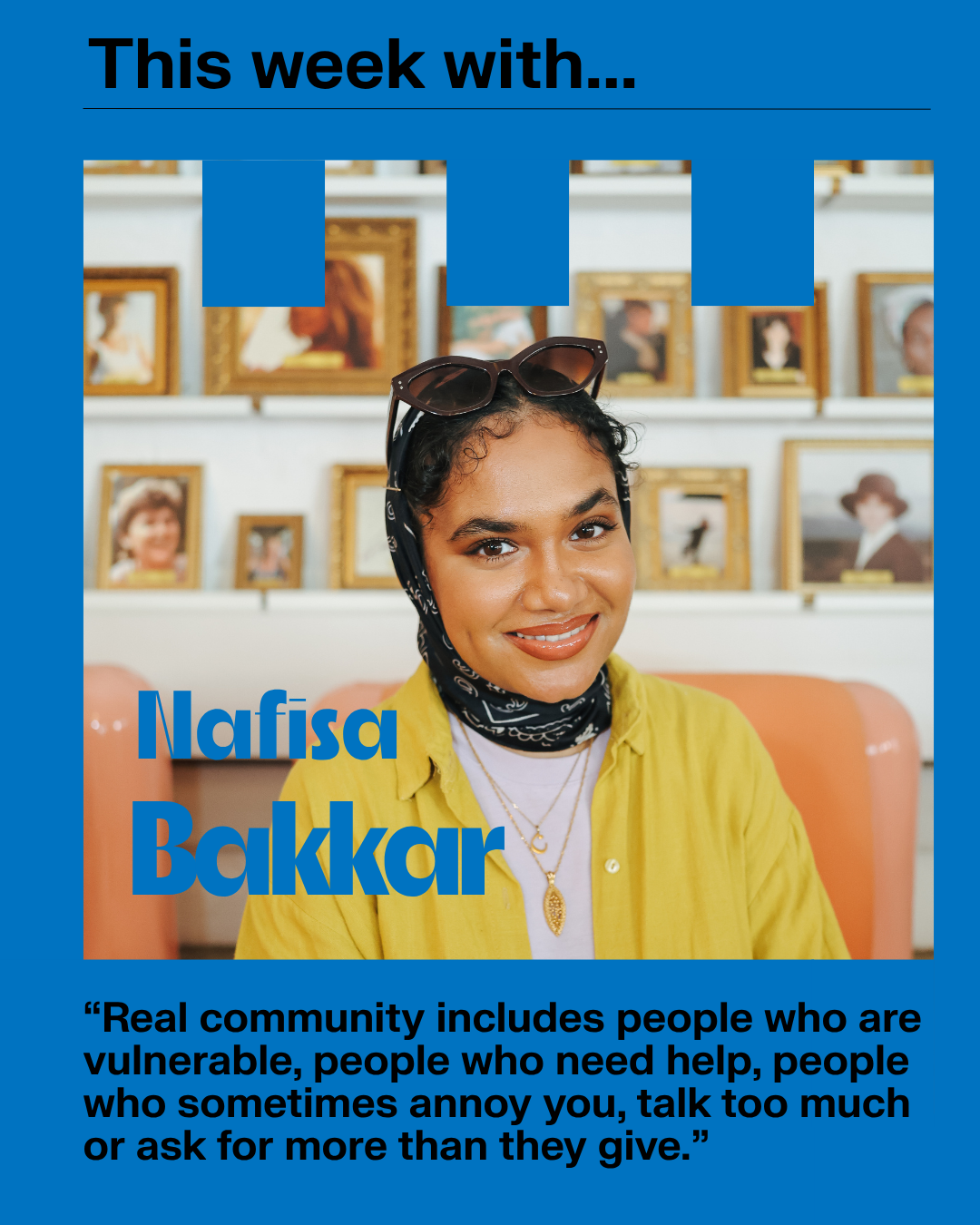
Nafisa Bakkar is the CEO and creative director of Amaliah, a media organization dedicated to amplifying the voices of Muslim women. Based in London, she founded the platform with her sister in 2016 when she was in her early 20s. It’s grown into a community that reaches millions of women each month. In 2023 she released her first book with Harper Collins, How to Make Money: an honest guide to going from an idea to a six-figure business, which chronicles how she built her business from scratch.
What is something new you have learned about yourself in the past year in relation to money?
Nafisa Bakkar: I recently ran a workshop for women of color who were early-stage founders. I asked everyone to write down the salary they'd ideally like to earn and although they didn't share the numbers, they talked about how uncomfortable the exercise felt.
It reminded me how difficult it still is for women to talk about money and ambition. But something that's shifted for me over the past year is realizing that the biggest barrier isn't always money – it's often courage.
When I started Amaliah, I thought lack of money was what stopped us from making ideas happen. Ten years later, we're in a very different financial position, but I still have a long list of unrealized projects. I've realised that what I often need now is the courage to begin.
You recently wrote in your newsletter about why community is not a member’s club. Why was it important to address that topic?
I wrote it during Ramadan, which is the month when I experience community in its fullest form. At the same time, we're seeing "community" become increasingly commodified. For brands, it's become a marketing strategy, almost interchangeable with the idea of a members' club. But that's not what community means to me.
I think of aunties' and uncles' living rooms. Real community includes people who are vulnerable, people who need help, people who sometimes annoy you, talk too much, or ask for more than they give. Our tolerance for who belongs in our communities has shrunk and I think that's happening alongside an increasingly intolerant political landscape.
Amaliah launched 10 years ago. What’s the one thing you would tell your younger self about running a media business by and for Muslim women?
Create the work you want to get paid for and don't wait for permission to create it. Find ways to put that work into the world, even if you don't have much budget or many resources – you'll be surprised how many people will help.
Working with brands and partners means constantly navigating power dynamics and conflicts between caring for Muslim women and commercial realities. It can be tempting to soften your work or create stories that feel ‘safe’ because you're worried about losing opportunities. But stay really clear on your values.
Money and values are often presented as a trade-off – we felt that especially after the genocide in Palestine, when those lines became much clearer – but knowing what you're willing to say no to is just as important as knowing what you'll say yes to. Conviction is infectious and people respond to it.
What’s weighing on your mind at the moment?
Unrealized projects and rest.
I recently visited London's V&A East Storehouse, where there was a small exhibition of David Bowie's archives, including a section called Unrealised Projects. It was full of notebooks, sketches and unfinished ideas. I loved seeing that because we usually only see what people eventually put out into the world.
It made me think about how I create better infrastructure for myself and my team—not just to create but also to rest. Trying to rest without the right infrastructure just creates stressful, unrestful rest.
This interview has been edited for length and clarity.
Enjoyed this newsletter? Leave us a $3 tip.
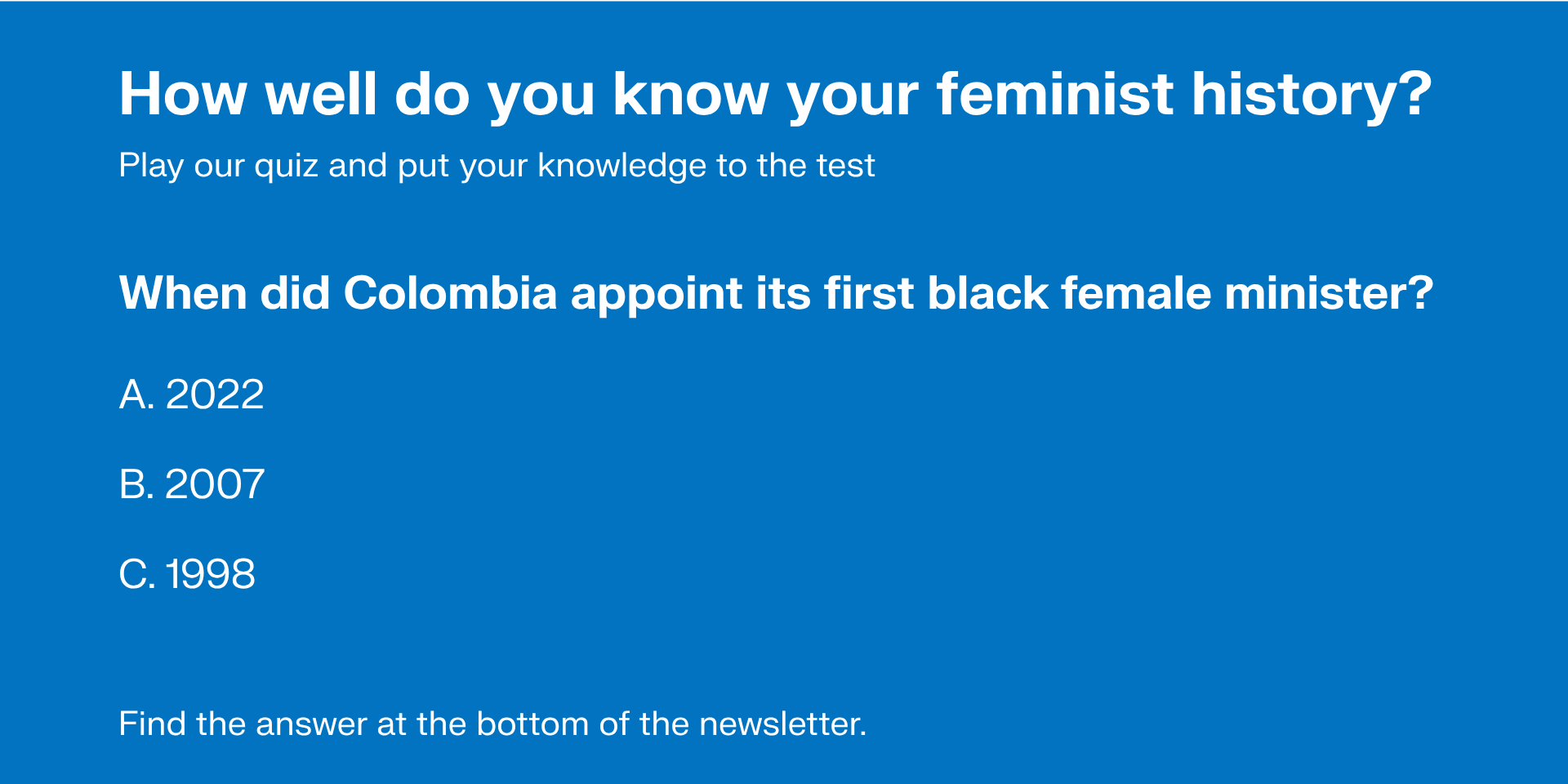
The answer to our feminist history quiz is: B, 2007. Paula Moreno was appointed minister of culture, becoming Colombia’s first Afro-Colombian woman to hold a cabinet-level post. She also made history by becoming the country’s youngest minister at age 28. Did you get it right? Tell us in our reader survey