
Jeffrey Epstein's victims are still seeking justice
Survivors are at risk of becoming collateral damage

The women left behind by the Epstein files

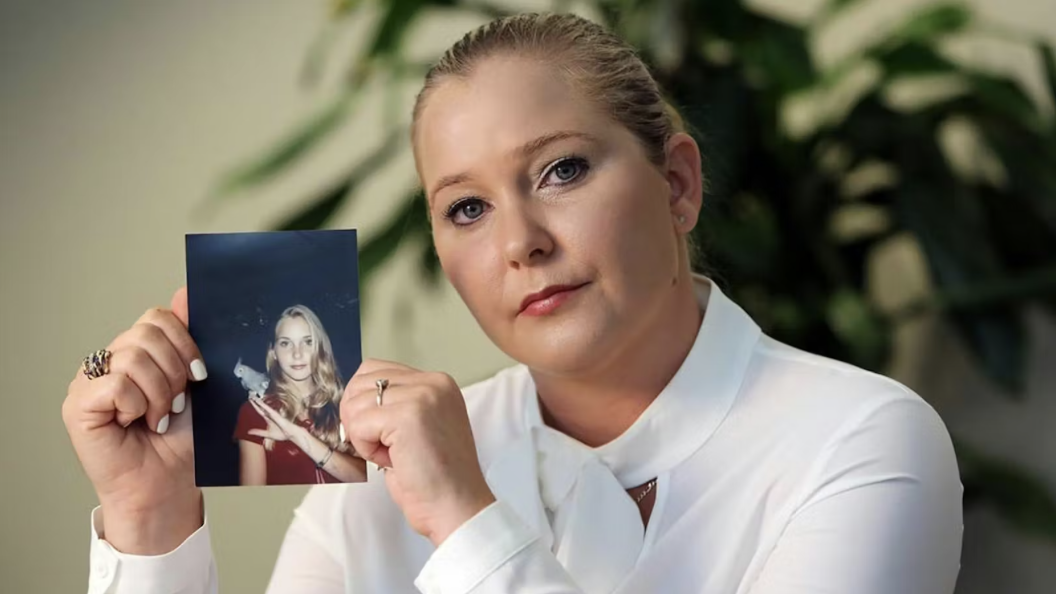
In October last year I went to a skeptics conference in the UK. Billed as “a celebration of science, reason and critical thinking”, it was an eclectic place, mainly occupied by old white men. But, there was one talk that stood out to me: a rumination on womanhood and survival from the journalist Lucia Osborne-Crowley, the author of The Lasting Harm: Witnessing the Trial of Ghislaine Maxwell.
Osborne-Crowley was one of the only journalists in the world to cover Maxwell’s trial from start to finish. The former socialite was convicted of conspiring with sex offender Jeffrey Epstein to abuse young girls. It was a harrowing experience – and the book is a harrowing read. With the recent release of millions of documents relating to Epstein by the US Department of Justice (DOJ), her talk has been at the top of my mind.
It focused in part on who is believed and who isn't. She made the point that female survivors of sexual harm are seen by some people to be “naturally dishonest” and the misinformed idea that there are more false reports of sexual violence than other crimes.
But most movingly, Osborne-Crowley spoke up forcefully in support of Virginia Giuffre, the woman who sued the former Prince Andrew (now, known as Andrew Mountbatten-Windsor, having been stripped of his titles) for sexual assault, and died by suicide in April last year. She encouraged attendees to read Giuffre’s book, Nobody's Girl: A Memoir of Surviving Abuse and Fighting for Justice, which was published posthumously.
In it, Giuffre wrote: “I hope for a world in which predators are punished, not protected; victims are treated with compassion, not shamed; and powerful people face the same consequences as anyone else.”
As the latest tranche of emails, and awful pictures are pored over and picked apart, as powerful men look set to lose their jobs and titles (and, in some cases, keep their jobs despite allegations against them), we mustn't forget the victims of Epstein and his cronies, some of whom have bravely waived their anonymity and spoken out about their experiences at the hands of the rich and powerful.
Back in November, eleven of the women released a video demanding the release of “ALL of the files”, and just two days ago, survivors released a joint statement, in which they condemned what they said was an “incomplete” release. “Survivors deserve answers and the public deserves the truth,” they wrote. Democrats and lawmakers have also said that the DOJ has withheld files.
For journalists like Osborne-Crowley, the victims of Epstein were never footnotes in this story. They should not become collateral damage now. If, as their statement indicates, they intend to continue pursuing the truth, then that effort warrants continued public attention and, perhaps most importantly, institutional support.
You might have seen that we’ve announced a big change: that we’re moving to an editions model! Our first edition, Revolutions, will be released tomorrow.
It will document how women drive revolutions, why their contributions are erased, and what it takes to translate protest into lasting systemic change.
From our newsroom
How does ICE's facial recognition endanger women?
Our tech correspondent, Polina Bachlakova, explains how facial recognition technology often misidentifies women, especially women of colour, because those systems are trained mostly on white male faces. Watch her video now.
What does dancing have to do with diabetes?
A fun and culturally familiar 10-minute dance routine crafted by a research institute is improving the metabolic health of women and girls in India, explains Fuller’s health correspondent, Ester Pinheiro, in this short video.
Global feminist news round up
Stories from around the world on women and gender-diverse people
Women are being secretly filmed by male influencers using smart glasses. The videos are then being posted on social media platforms as dating advice, while exposing the identities and personal information, including phone numbers, of the women in the videos.
Vietnam’s lower retirement age for women is negatively impacting women’s career progression and professional development. The early retirement age bars women from entering formal leadership pipelines, promotions, and training, as years of work experience is a qualifier.
Indian women are selling their eggs on the black market as a way to support themselves. The procedure, made illegal in 2021, has exposed them to health risks and exploitation by clinics and intermediaries in the fertility industry.
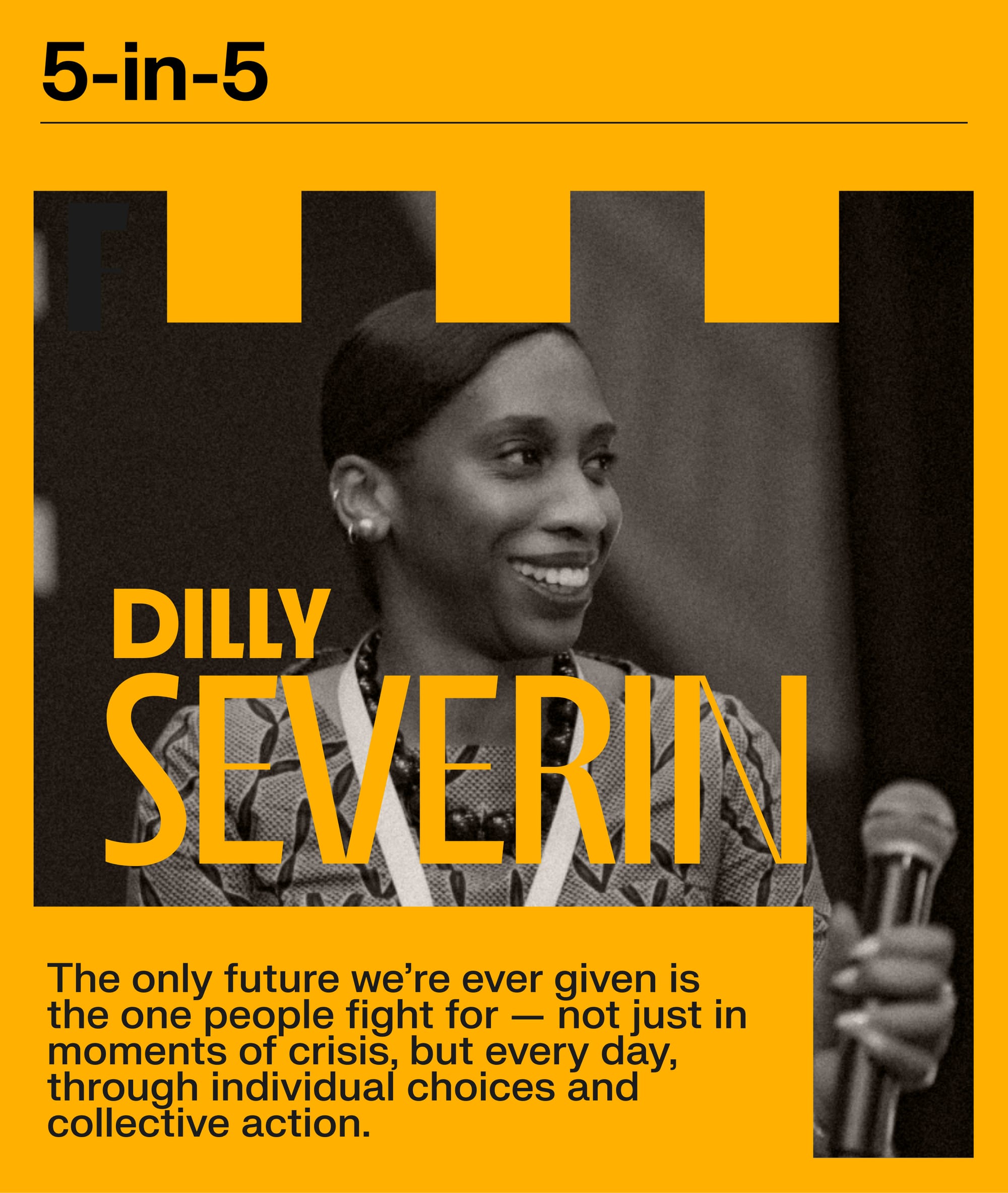
Dilly Severin’s job is a tough one: raising money so that women across the world can have autonomy over their bodies. She is the executive director at the Universal Access Project, a United Nations Foundation initiative that works to strengthen US foreign aid for global sexual and reproductive health and rights. Ever since the second Trump administration, which has seen massive cuts in relevant funding, her job has only gotten tougher.
Just this past week, the US announced an expansion of the global gag rule that represents, in her words, “an assault on human rights, health and economic and social wellbeing”. Yet Severin is determined. To her, there is no better time than now to look for solutions, trust in community, and keep amplifying stories of success, amidst all the other noise.
What is something new you have learned about yourself in the past year?
Dilly Severin: This past year clarified for me that it’s not possible to do meaningful work without being intentional about rest, creativity, and joy.
One of the biggest things I learned about myself is how to accept – without shame – that I can’t cover everything. That acceptance isn’t giving up; it’s how we sustain ourselves. What allows us to keep moving forward is knowing our limits and trusting that others are alongside us, carrying pieces of the work we can’t hold alone.
What are you learning about how to mobilize resources at this time of growing opposition to these rights and freedoms?
I recently watched a profile of civil rights activist Minnijean Brown-Trickey, who helped desegregate schools when she was a teenager. At one point, she was asked what kept her going — what made her walk through those school halls every day. She said that out of roughly 2,000 people, there were about 20 students who were consistently kind, about 300 who were openly cruel, and the rest who stayed silent.
Right now both the violence and the silence can feel incredibly loud. While institutions are deeply imperfect, there are still kind, committed people inside them who want to do meaningful work. Those committed individuals often become our most powerful allies.
What's weighing on your mind at the moment?
Belief in an invisible hand — the idea that fairness, equity, and justice will somehow reassert themselves on their own. I understand why that narrative is comforting, especially when the challenges feel overwhelming. But history tells us something very different.
The only future we’re ever given is the one people fight for — not just in moments of crisis, but every day, through individual choices and collective action. There is no force that automatically bends things toward justice.
So what I’m holding right now is the importance of not only affirming our shared humanity, but actively defending the systems that make those values real.
What life lesson has most shaped you?
That change is cumulative and relational. Everyone plays a role — even when that role isn’t visible or celebrated. Movements are held together not just by funding or policy wins, but by people who stay connected, who show up for one another, and who carry the work forward.
The Fuller Project's mission is to produce groundbreaking reporting that catalyses positive change for women and gender-diverse people. Has there been any positive change recently that you've found helpful or inspiring?
The stories that rise to the top for me are those that recognise women in all of their power. From women philanthropists like MacKenzie Scott directing billions of dollars in trust-based grants to high-impact nonprofits; to front-line, women-led organisations leading the charge in climate resilience; to governments taking up bold and progressive policies to support women even in the face of many regressions, I find both solace and hope in knowing that there are myriad ways to build toward the future we envision for ourselves and our communities.
This interview has been edited for length and clarity.
Now for the good news!
Positive stories from around the world
🇵🇰 Pakistan’s supreme court has ruled that women’s consent is necessary for divorce. The recent ruling set a precedent that cruelty can be grounds for divorce, and allows women to keep their dowries.
🇯🇪 A proposed law could eliminate the need for women to justify their choice to have an abortion in Jersey. This is intended to remove stigma, as the current law requires approval by two doctors within the first 22 week period of pregnancy.
🇦🇺 The Australian government is pursuing international legal action against the Taliban for breach of women’s rights. The foreign ministry also announced an additional $50 million AUD in aid, in part to support women and girls in Afghanistan.