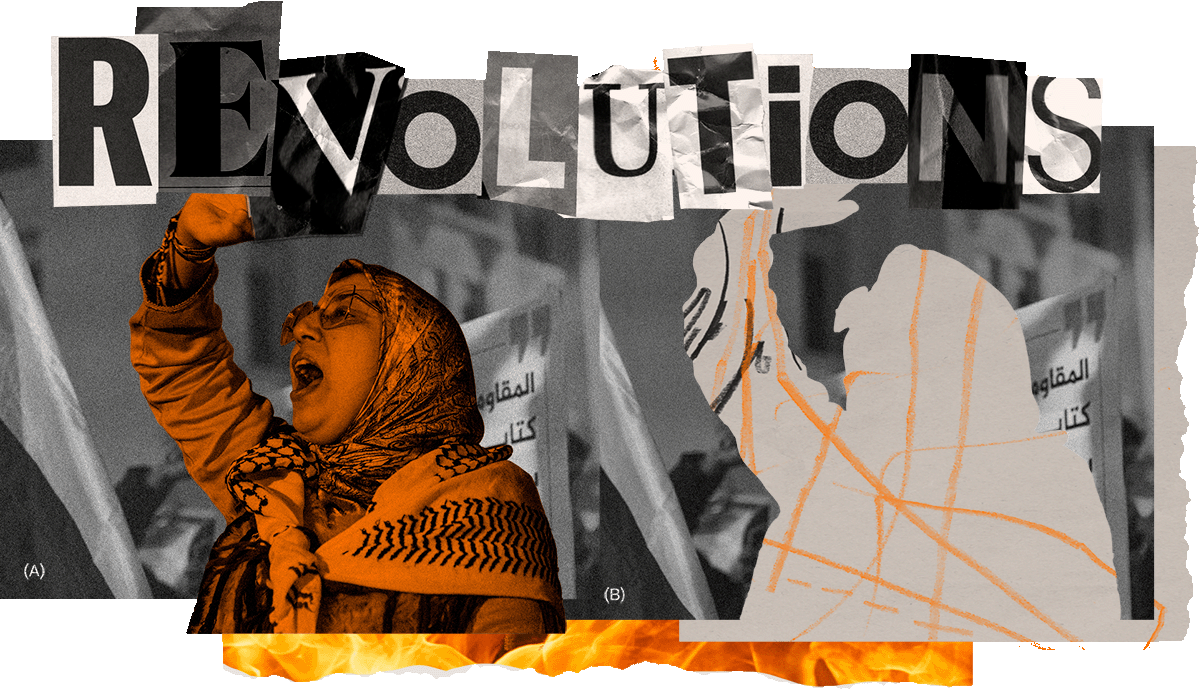
Women have been central in many fights for democracy around the world. Yet, when protest shifts to policymaking, it seems time and again that their role is diminished and their demands sidelined. If we trained our reporting prowess on revolutions, what would we find?
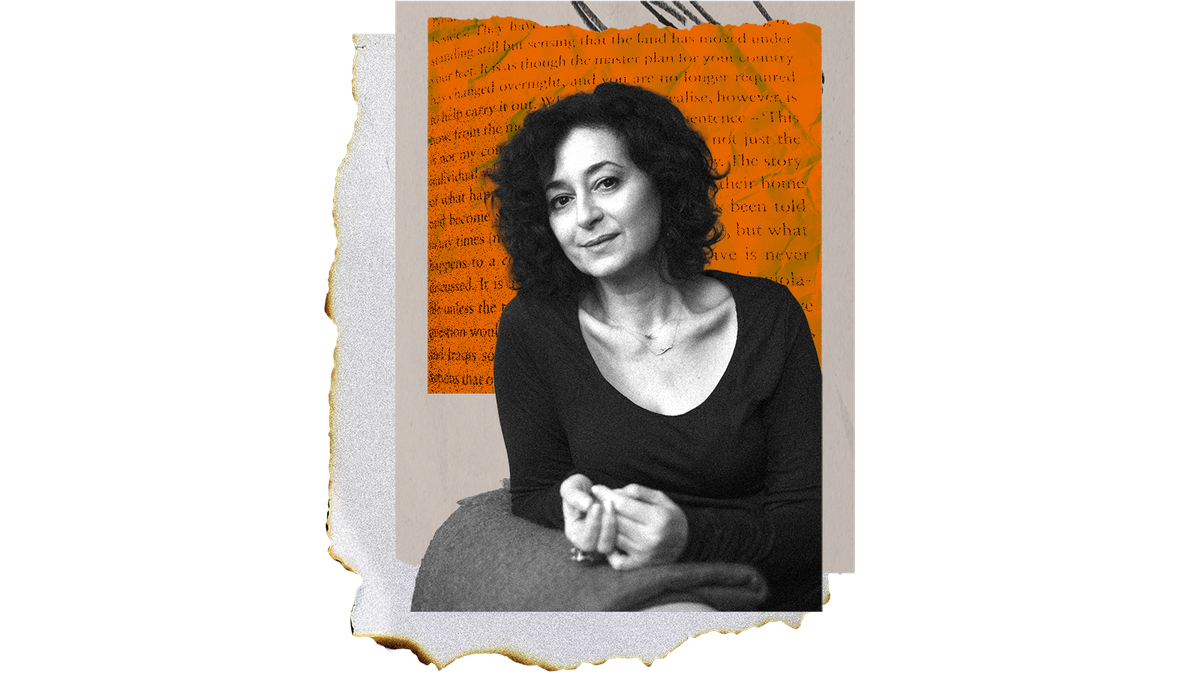
03.Acclaimed Turkish journalist and author Ece Temelkuran talks to Fuller’s editor-in-chief Eliza Anyangwe about her new book, Nation of Strangers, the protests in Minneapolis, and why naming fascism matters
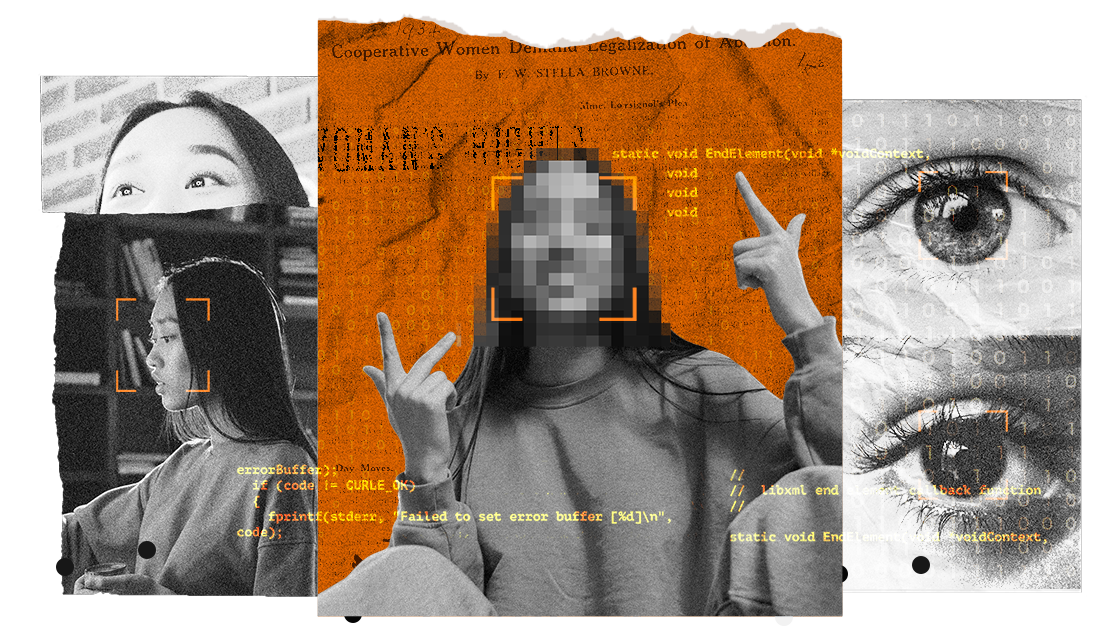
08.Digital tech is being used to intimidate women activists beyond national borders. It’s called gender-based digital transnational repression. Here’s what you should know
Fire was a central motif of this edition, but what was the spark for visuals editor, Ethan Caliva? Here, he shares some of the source material, his intentions behind his choices for Revolutions' look and feel, and what he learned along the way about women's role in protests and mass movements.
What did you want the visuals to tell the reader about revolutions?
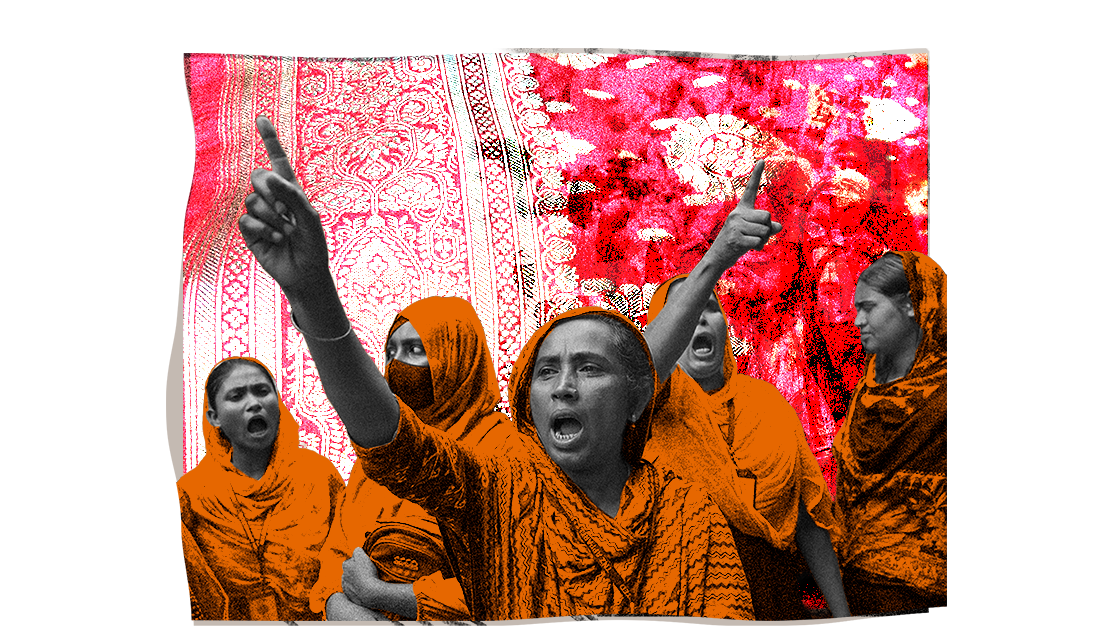
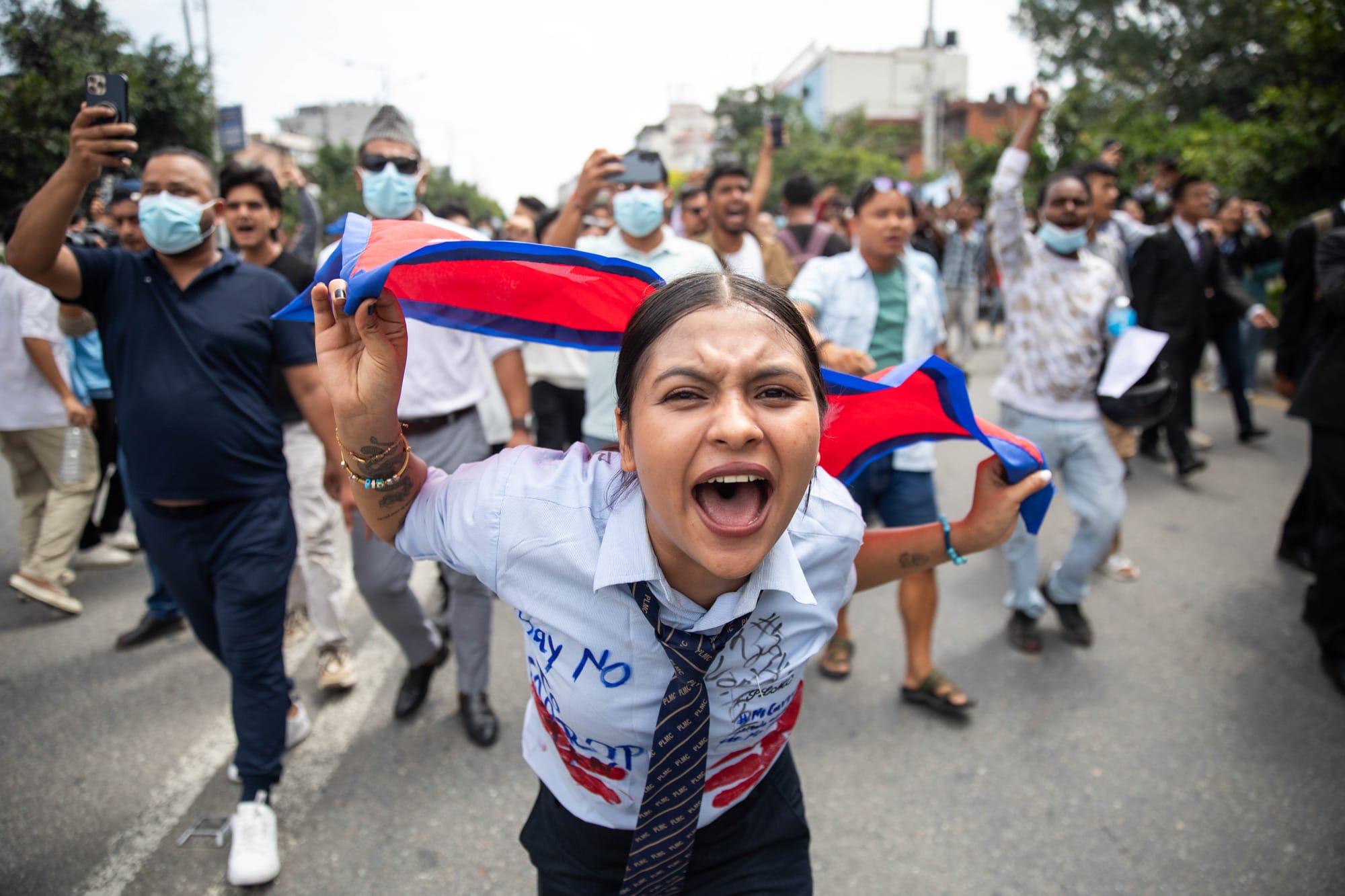
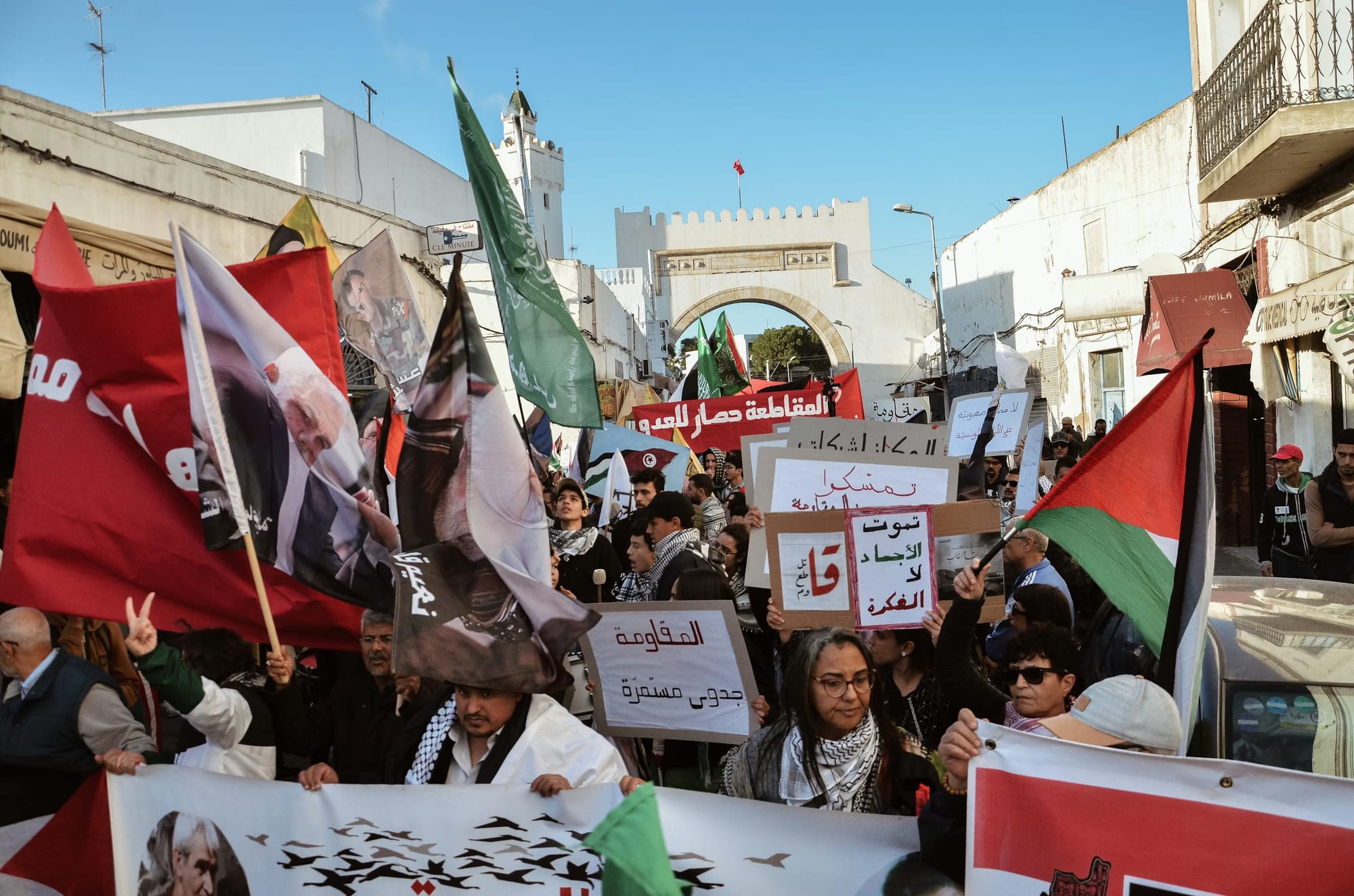
Ethan Caliva: That women are not adjacent to revolutions, they are integral to them. They organize, mobilize, sustain, and often absorb the consequences, yet they’re frequently pushed out of the frame once history gets written. The visuals are meant to challenge that erasure by centering women in moments of action, confrontation, and aftermath.
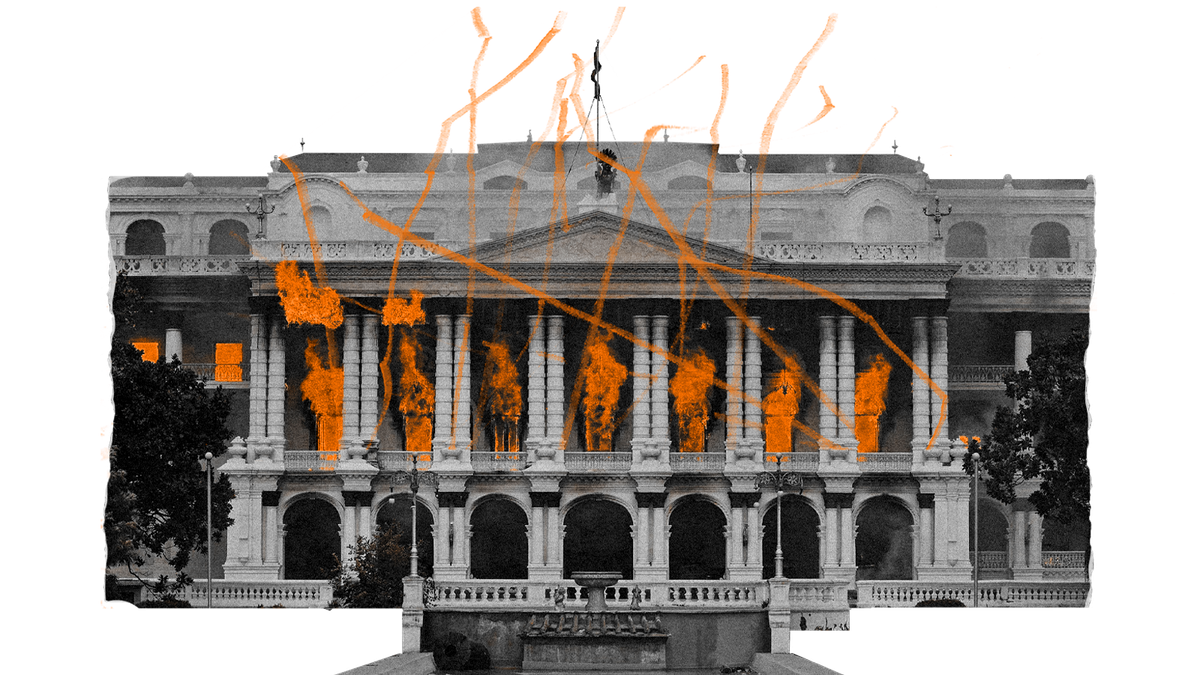
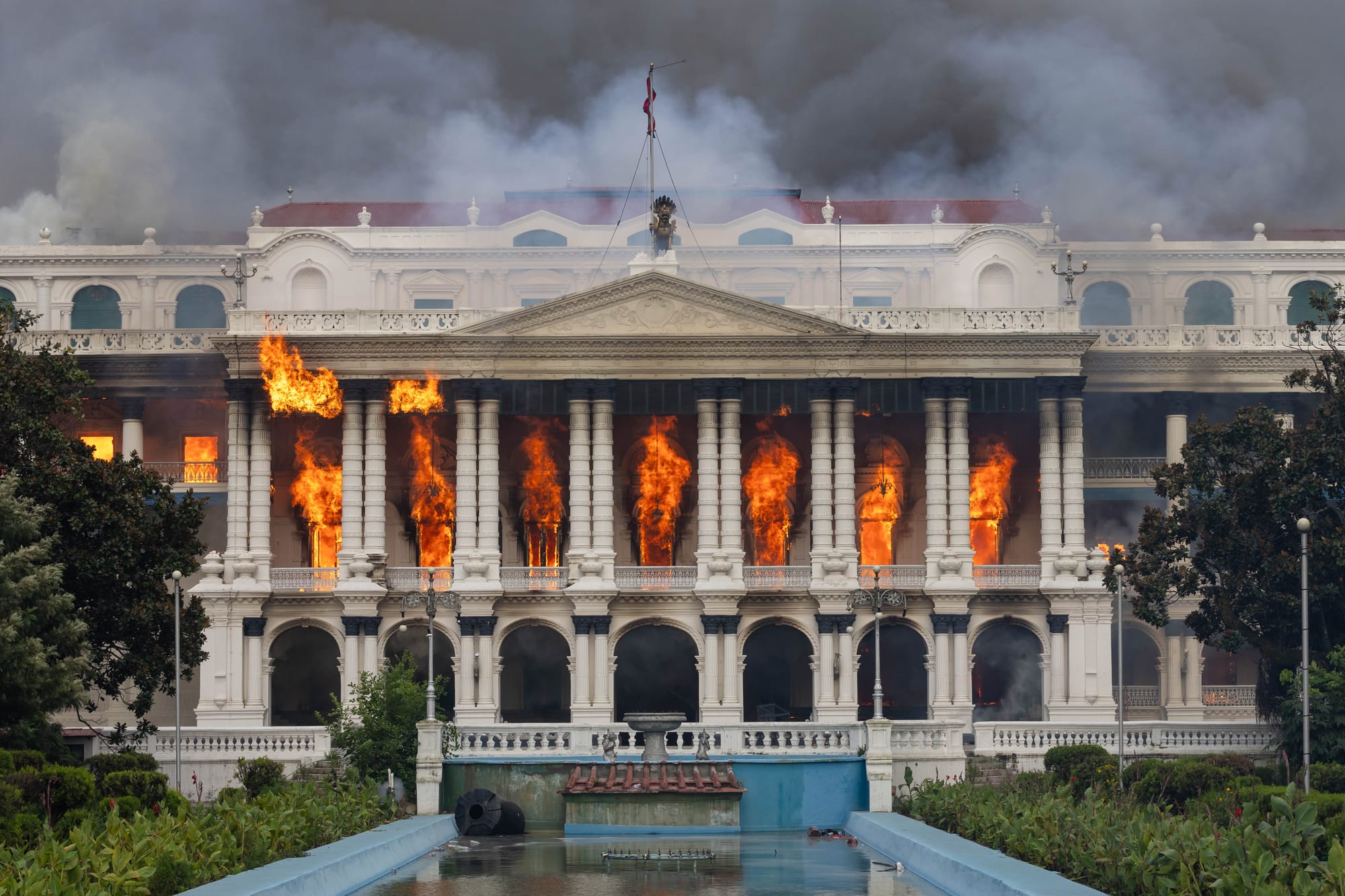
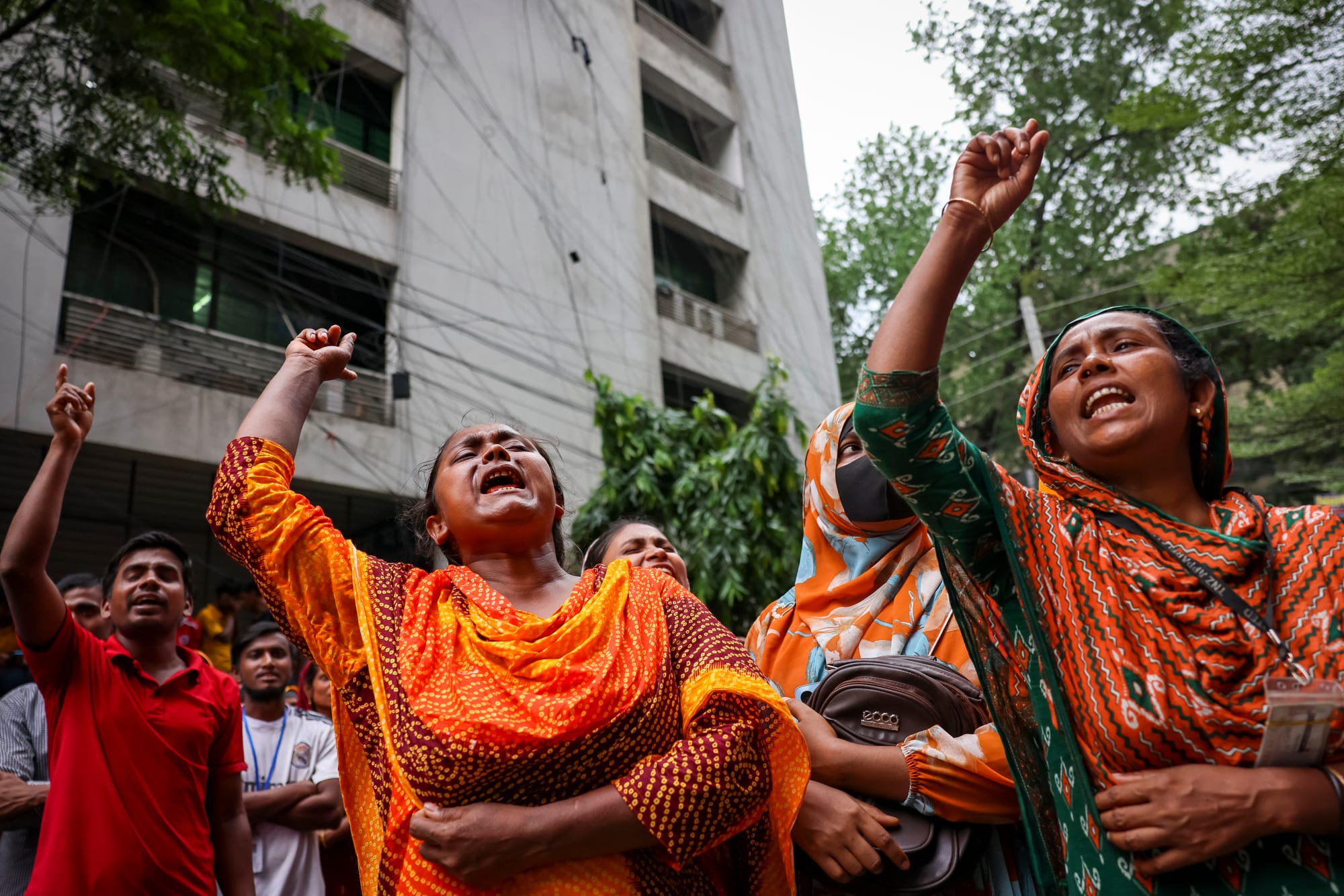
Fire rages through the Singha Durbar, the main administrative building for the Nepali government on September 9 2025. Photo by Prabin RanabhatGarment workers in Bangladesh block the road in front of Kakrail Mosque to demand wages on May 20 2025. Photo by Kazi Salahuddin Razu/NurPhoto
What images or ideas were you most surprised by in your research?
I was surprised by how rarely we see the aftermath. We’re used to the spectacle of protests. The flames, the crowds, the confrontation. But less visible are the moments that come after. The quiet streets. The debris. The women picking up what’s left, physically and emotionally. Seeing those images alongside the chaos changed how the protests read. Revolutions don’t end when the crowd disperses; someone always stays behind to deal with the consequences, and that labor is often invisible.
A demonstrator shouts slogans during a protest outside the Parliament in Kathmandu, Nepal on September 8 2025. Photo by Prabin RanabhatA rally is held in Tunis, Tunisia, to protest against the Israeli war on Gaza on November 30 2024. Photo by Hasan Mrad
What was the most euphoric moment you had while creating this edition?
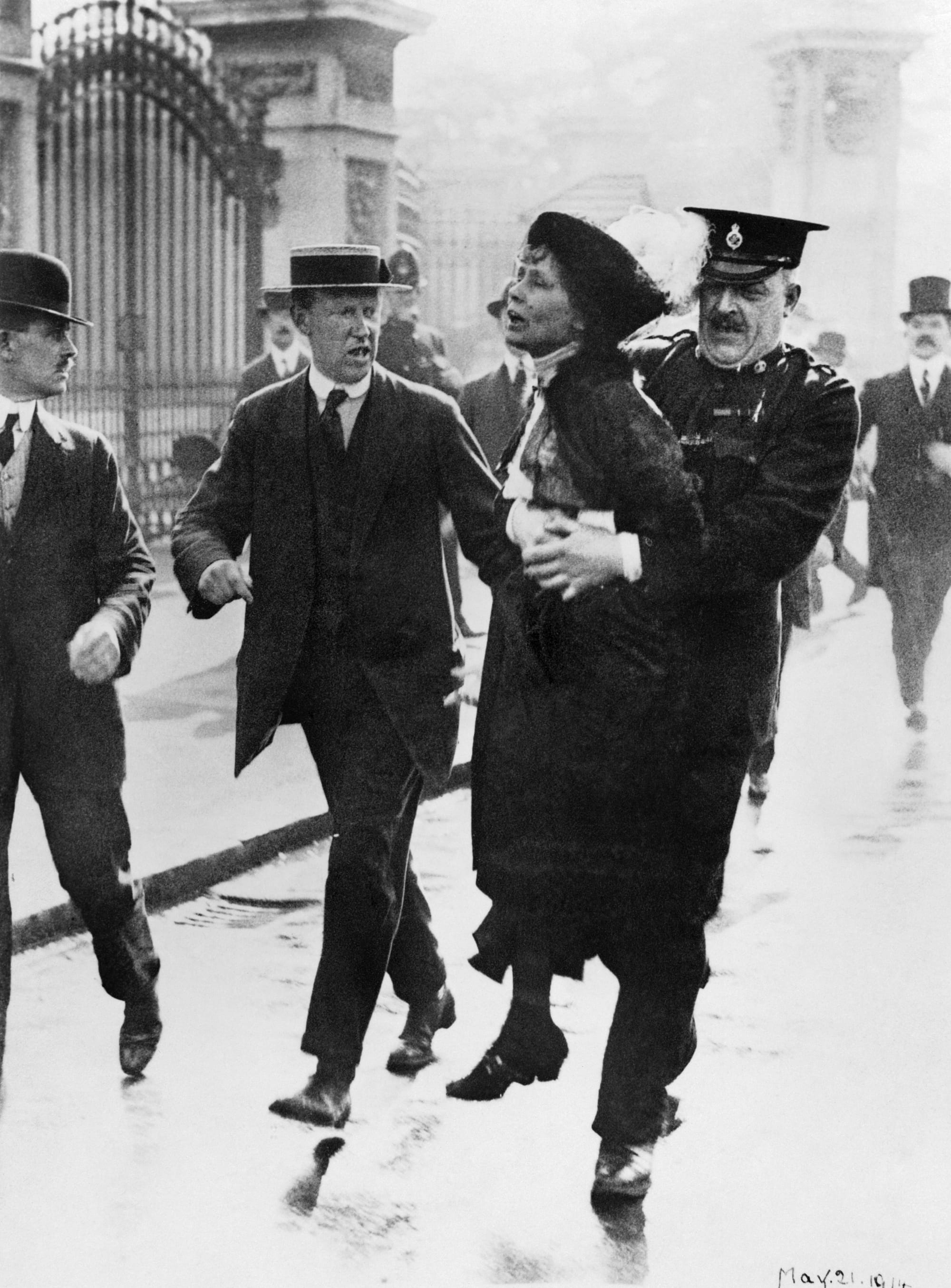
The moment the connections clicked; when the collage stopped feeling like separate images and started reading as one visual argument. Seeing a historical image sit next to a contemporary protest and realizing they were saying the same thing, just decades apart. That was the high point. It felt like the visuals weren’t just supporting the journalism, they were extending it.
Emmeline Pankhurst, leader of the women's suffragette movement, is arrested outside Buckingham Palace on May 21 1914. Photo from the collections of the Imperial War Museums
This edition asks what it means to report globally on revolutions through a gender lens. The resources shared below, including music, films, arts and reporting that shaped our work, offer a window into how Fuller’s team approached these questions across different contexts, from courts and factories to digital spaces and the streets.
You can find the full playlist in the top-right corner (or bottom right on mobile) of the video, and keep it playing in the background as you explore the rest of the edition.
Curated by: Alsarah Producer: David Roberts Copy editor: Charlie Brinkhurst-Cuff Visuals editor: Ethan Caliva
Curated by: Alsarah Producer: David Roberts Copy editor: Charlie Brinkhurst-Cuff Visuals editor: Ethan Caliva