
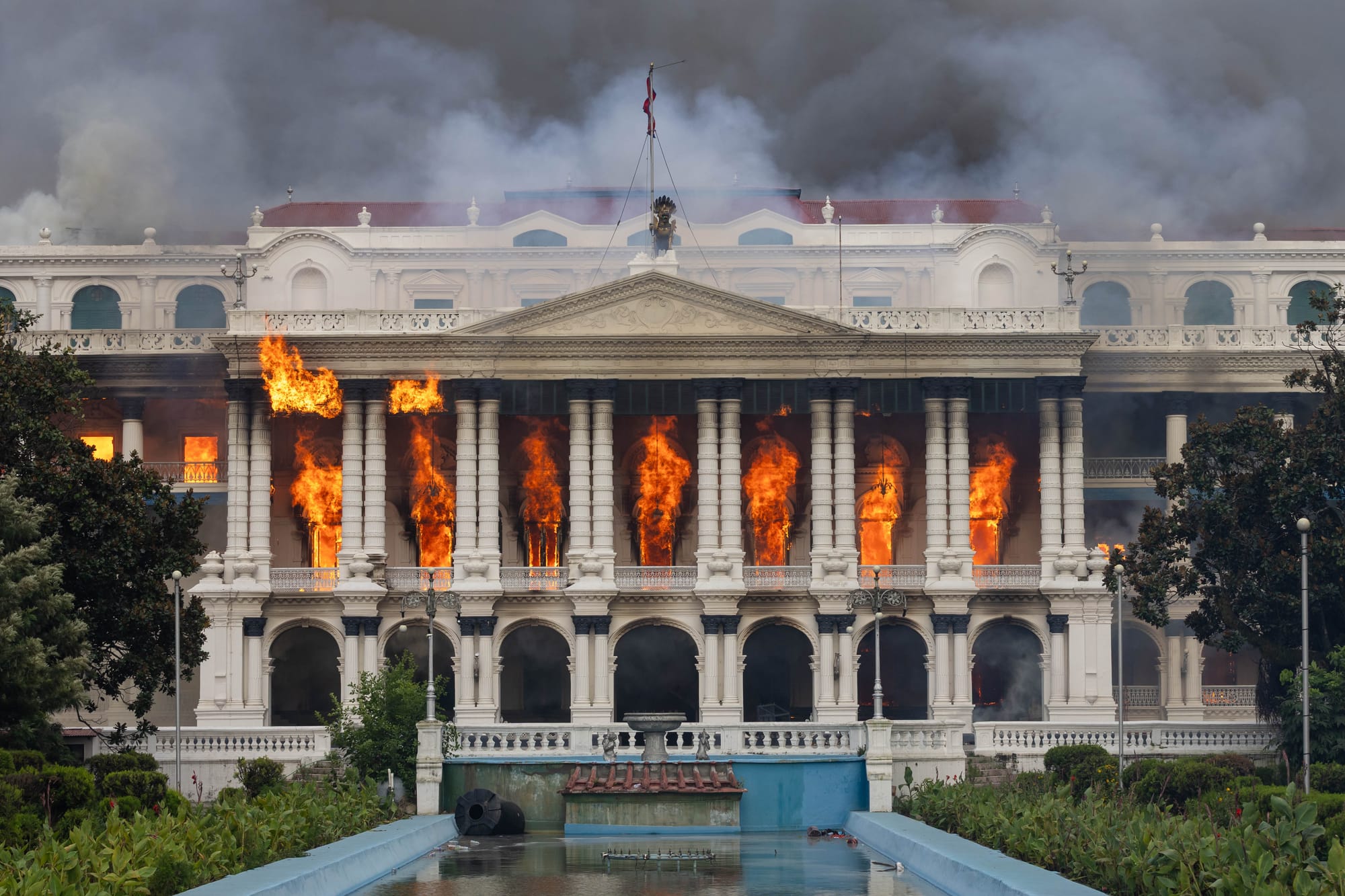
Fire was a central motif of this edition, but what was the spark for visuals editor, Ethan Caliva? Here, he shares some of the source material, his intentions behind his choices for Revolutions' look and feel, and what he learned along the way about women's role in protests and mass movements.
What did you want the visuals to tell the reader about revolutions?
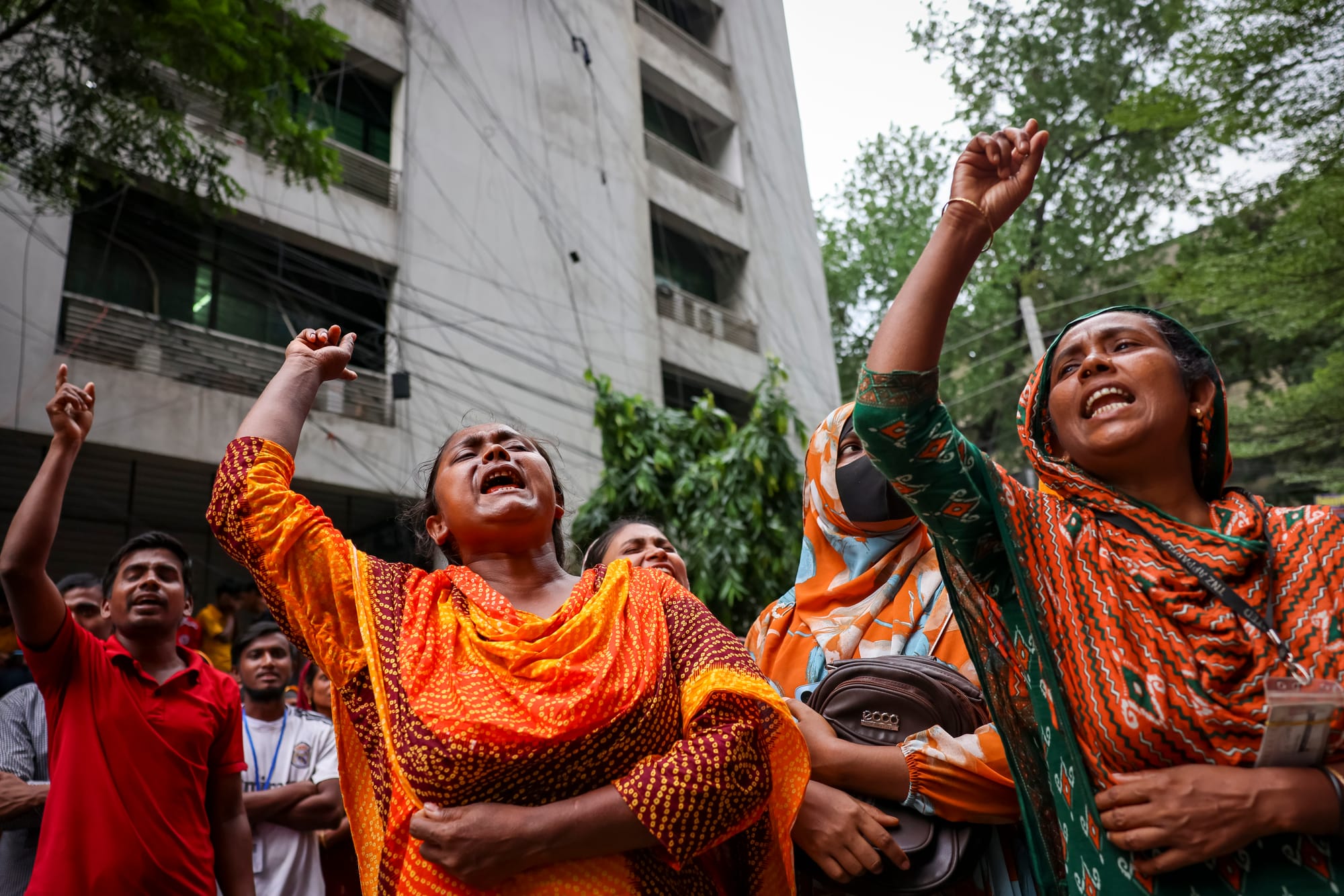
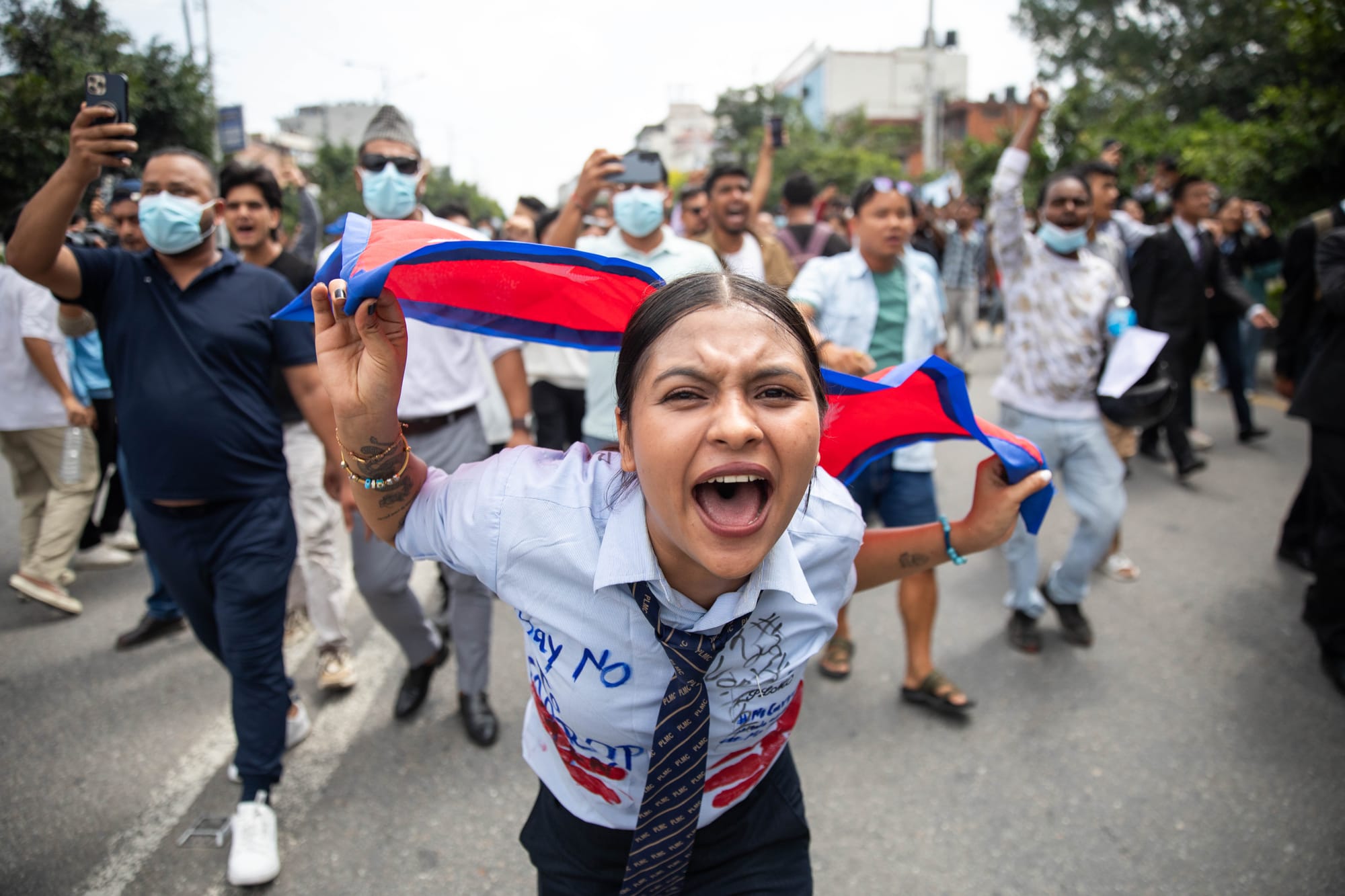
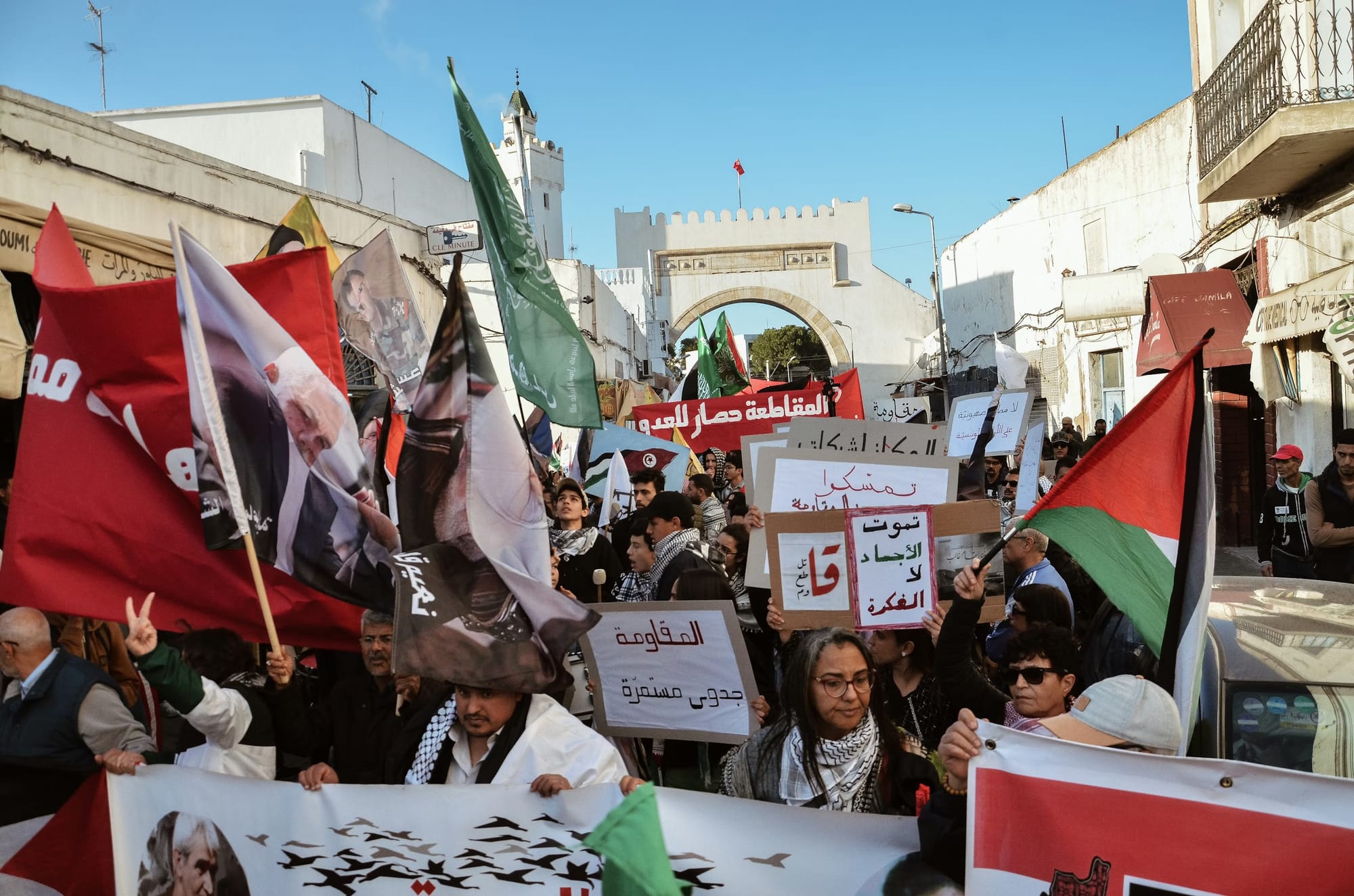
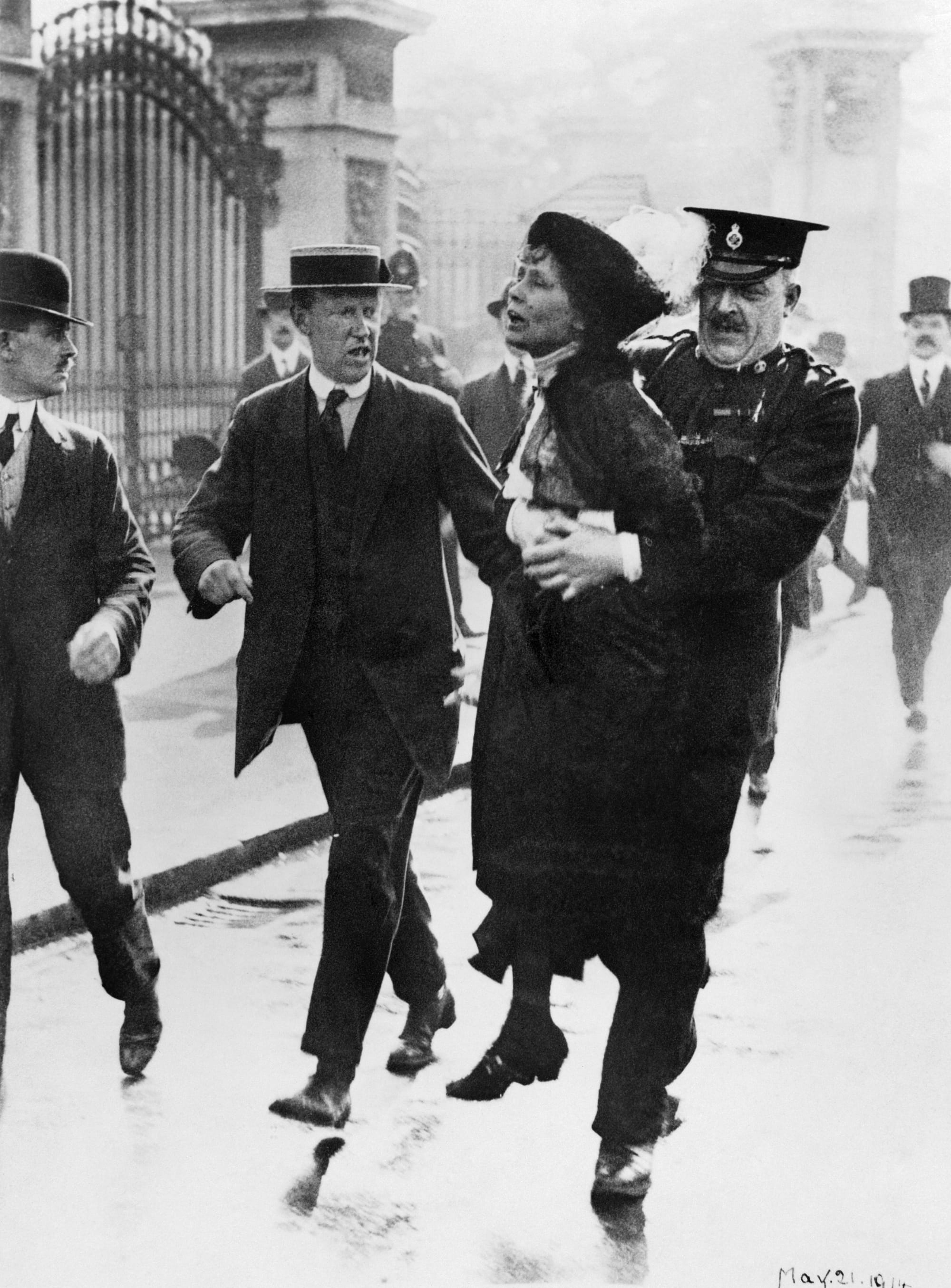
Ethan Caliva: That women are not adjacent to revolutions, they are integral to them. They organize, mobilize, sustain, and often absorb the consequences, yet they’re frequently pushed out of the frame once history gets written. The visuals are meant to challenge that erasure by centering women in moments of action, confrontation, and aftermath.
What images or ideas were you most surprised by in your research?
I was surprised by how rarely we see the aftermath. We’re used to the spectacle of protests. The flames, the crowds, the confrontation. But less visible are the moments that come after. The quiet streets. The debris. The women picking up what’s left, physically and emotionally. Seeing those images alongside the chaos changed how the protests read. Revolutions don’t end when the crowd disperses; someone always stays behind to deal with the consequences, and that labor is often invisible.
What was the most euphoric moment you had while creating this edition?
The moment the connections clicked; when the collage stopped feeling like separate images and started reading as one visual argument. Seeing a historical image sit next to a contemporary protest and realizing they were saying the same thing, just decades apart. That was the high point. It felt like the visuals weren’t just supporting the journalism, they were extending it.
Edited by: Charlie Brinkhurst-Cuff, Erica Hensley
Edited by: Charlie Brinkhurst-Cuff, Erica Hensley