Kathmandu, Nepal – In August 2025, Neha*, an actress in Kathmandu, was raped by a man who promised her a role in an ad. He filmed his attack and threatened to release the video unless she paid him. That same evening, still terrified, Neha told her husband about her assault but he didn’t believe her. Instead, two weeks later, he threw her out of their home.
Still, Neha decided to report her rape to the police. At the request of the officers, she asked her perpetrator for his bank account QR code, pretending she was giving in to his blackmail, and enabling the police to learn his identity. Justice, Neha hoped, would soon be served.
But then, on 8 September, just two weeks after she reported her rape, and before the investigation could progress, something no one could have predicted happened: the country collapsed.
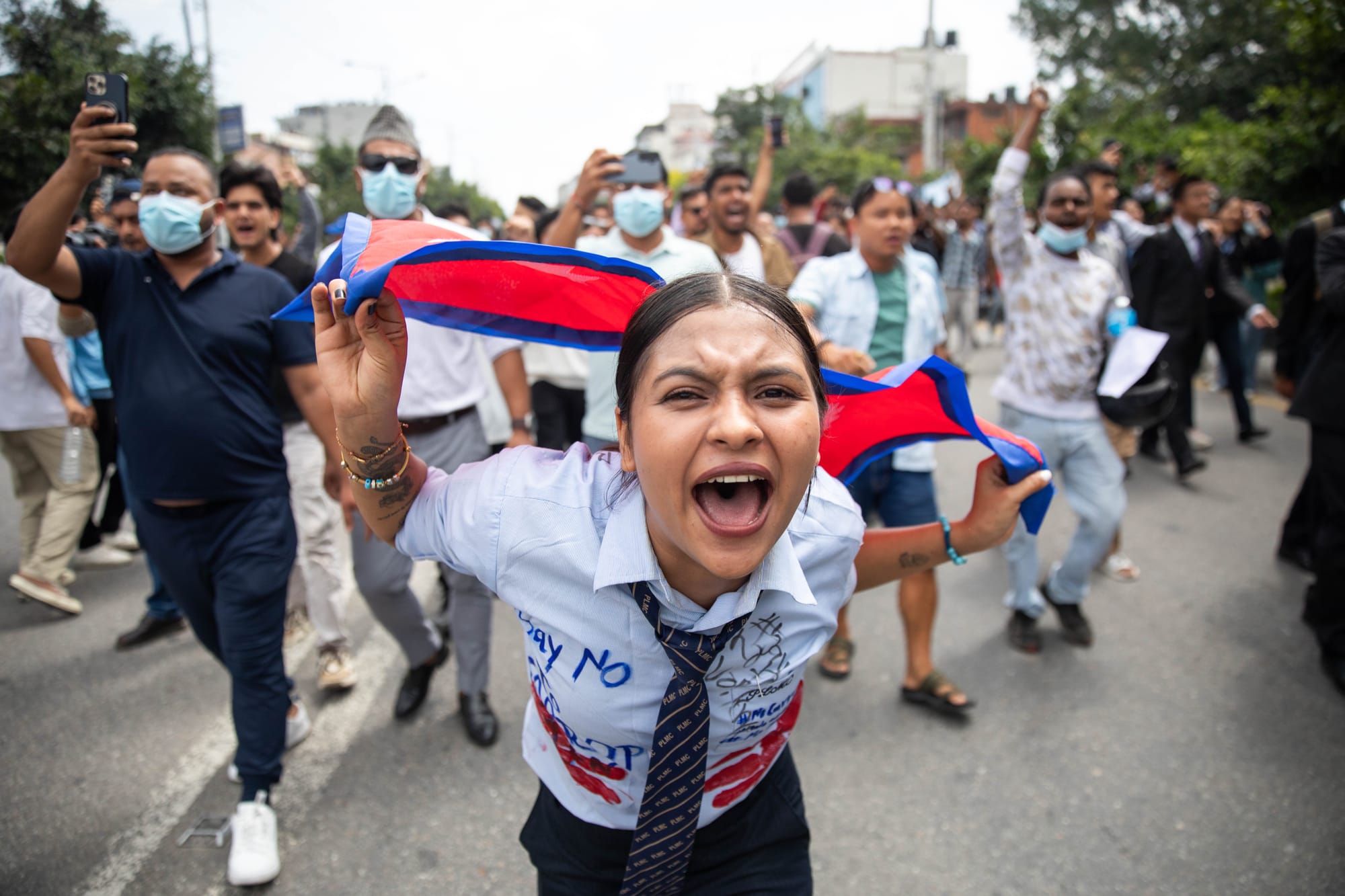
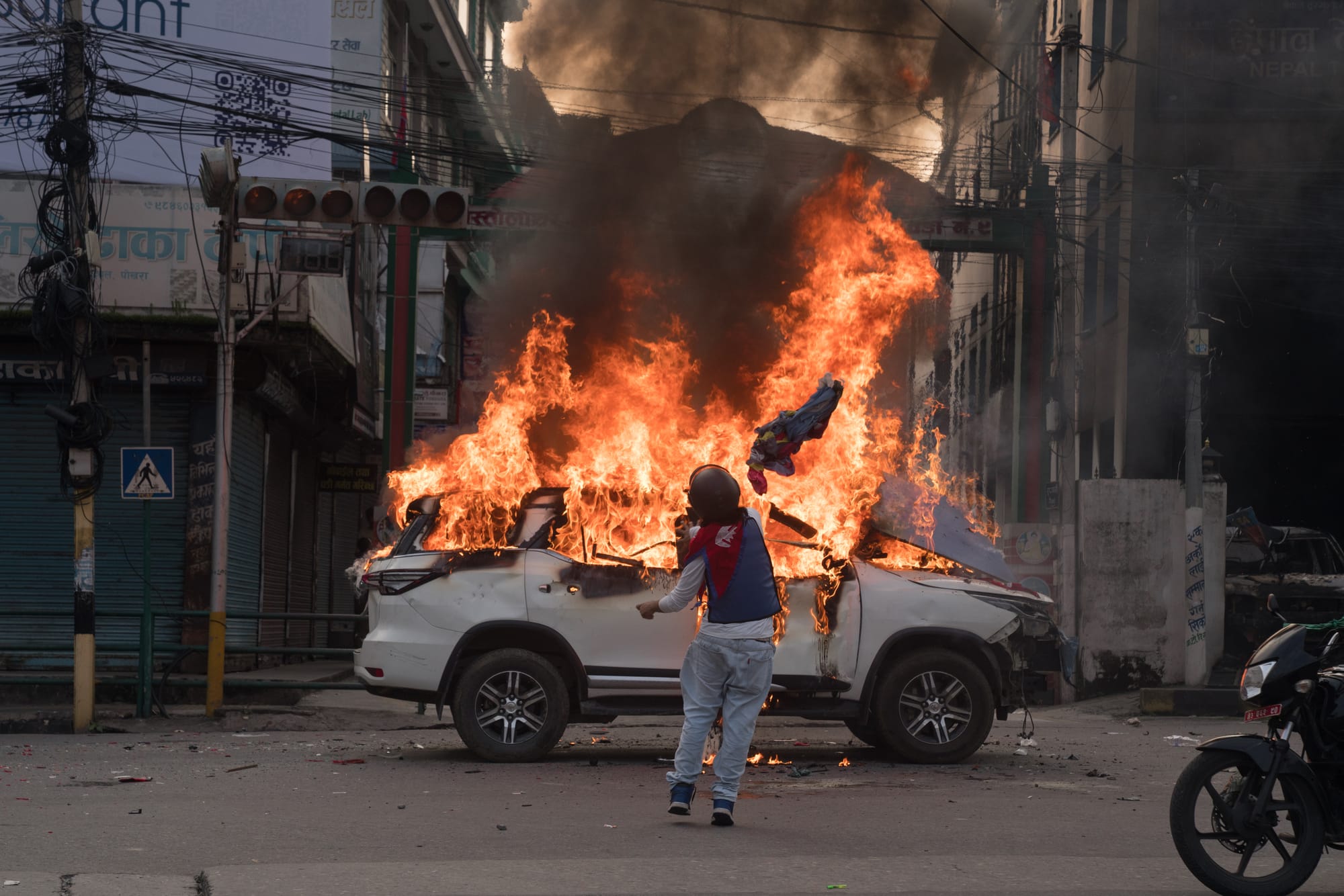
Protests led largely by Gen-Z demonstrators broke out, driven by anger at corruption, nepotism, inequality, and a government ban on social media. Within 48 hours, security forces had killed at least 76 people. The supreme court was set ablaze. Prisons were breached. Police stations were overwhelmed, damage to police infrastructure significantly reduced law enforcement capacity and investigations, including Neha’s, were put on hold as officers were redeployed.
In desperation, Neha turned to Kathmandu’s Legal Aid and Consultancy Centre (Lacc), a women-led organization offering free legal and psychosocial support to survivors of gender-based violence. Lacc paired her with three pro bono lawyers, but what justice would look like for Neha, or whether it would come at all, remained unclear.
‘Police told her to call Gen Z’
On 11 December, as Nepal’s interim government works to steady a country shaken by weeks of unrest, Neha sits on a sofa in her lawyer’s office, long dark hair framing her face. Next to her is Anita Neupane Thapalia, a Nepali lawyer known for defending women’s rights, and the executive director of Lacc.
Thapalia wears a long beige traditional dress and has a red tika on her forehead, a religious symbol which, for her, represents devotion and energy. “I was completely devastated,” she says, as she recounts the moment that Neha first contacted Lacc. “I couldn’t stop crying as I listened to her story.”
Despite Thapalia’s determination to help her client get justice, the chaos and destruction in the wake of the protests made the task almost impossible.
“Our office and our clients’ files weren’t burned,” she says. “We still had their cases and evidence, so we could continue supporting survivors.” However, the lawyer explains, the broader justice system was overwhelmed. “It was extremely difficult to hold perpetrators accountable.”
Based in Kathmandu, Lacc has been offering its services to survivors of sexual and gender-based violence for nearly four decades. Founded by Professor Shanta Thapalia, a pioneering women’s rights activist and legal scholar, in 2025, its lawyers assisted over 2,000 survivors – including hundreds directly during and after the protests.
Lacc provided daily, in-person support while police investigations were delayed and perpetrators were difficult to track down, as well as legal counseling and representation, psychosocial care, medical referrals, and connections to safe houses and other essential services.
“It was a devastating moment for the rule of law,” says Thapalia, as she describes how routine policing collapsed and officers were widely criticized for both their violent tactics, used to repress the protestors, and for their absence from everyday duties.
“When my friend reported a theft, police told her to ‘call the Gen Z’,” Thapalia says, illustrating how ordinary citizens, and especially survivors, were unable to rely on the authorities.
Neha listens as Thapalia finishes talking. Her hands are clenched in her lap, hiding bright pink nails. Despite believing the protests were “necessary”, she struggled to comprehend the destruction that followed. Still, “the protests were a breaking point,” she says. A breaking point that could usher in accountability for her country’s leaders but make it impossible for her.
‘Justice has never been easy for women in this country’
Nepal’s institutions may have completely collapsed in 2025, but, despite “stringent” laws prosecuting rape, survivors and their advocates had been sounding the alarm that the criminal justice system was in need of repair for a long time.
In fact, just one month before the country was engulfed by revolutionary rage, the Kathmandu Post reported on anger directed towards the police who were accused of not taking allegations of rape by adult women in relationships seriously.
“I am 66, and I have never felt justice has been easy for women in this country,” says Dr. Renu Adhikari, founder of the Women’s Rehabilitation Centre (Worec), a leading Nepali NGO supporting survivors of gender-based violence.
Prisha* knows this well. In the first half of 2025, her daughter, Samara*, was raped by a shopkeeper who threatened to kill her family if she told them. It was only after she received support from Lacc – who counselled her through the process of making a statement – that he was arrested, prosecuted and sentenced to 25 years in prison.
Then the protests erupted and prisons were breached. According to Nepal’s Department of Prison Management, around 13,500 inmates escaped from 28 prisons and nine reformatories during the mass mobilizations.
Rape survivors, including those sheltering in Worec safe houses, faced renewed danger. According to Adhikari, one perpetrator called a shelter worker to issue an explicit threat against a survivor: “If I raped you once and I come back, I will rape you again,” he said.
The shopkeeper convicted of raping Samara also escaped.
“Neighbors told us,” says Prisha. “My daughter was terrified. He had said he would rape her again and kill us if he came back.”
Weeks later, with the help of the local community, who told the police where the man was hiding, and pressure from Lacc, police rearrested the shopkeeper. But the experience was deeply destabilizing for Samara and her family.
“She kept asking if he would come back to kill us. We didn’t feel safe in our own home anymore,” says Prisha. Samara is receiving ongoing psychological care from Lacc.
For women like Neha, for whom convictions had not yet been attained, justice depended in part on a criminal justice system that had, to date, been inconsistent at best.
A 2021 report on sexual violence in Nepal, by the NGO Equality Now, named multiple barriers to justice for survivors including: victim-blaming, police and prosecutors susceptible to corruption, low conviction rates and the lack of adequate support services.
‘We might not be here tomorrow, but the system has to be’
Ultimately, the unrest brought down Nepal’s government. In a historic twist, protesters turned to Discord, a social messaging platform used for group chats and organizing, voting online to install Sushila Karki, the former chief justice, as interim leader. On 12 September, she became the first woman to hold the role as prime minister of Nepal.
The revolution may have happened fast, but the pace of societal transformation remains slow. Reflecting on this, Bhawana Bhandari, a lawyer working on gender justice in Kathmandu, tells Fuller: “This generation, myself included, wants change overnight, but systems don't work that way. We might not be here tomorrow, but the system has to be.”
In the meantime, Neha was left bearing the immediate costs of broken institutions. Despite the help of a legal team, there was still no progress with her case. She separated from her husband, who asked her for a divorce due to her sexual assault.
It was a terrible time. But, Neha decided to take matters into her own hands. With the help of her friends, she devised a plan to track the perpetrator. She recounts how they created fake social media accounts and began to follow his movements. “We had to find him ourselves,” Neha says.
Her local police agreed to help her: they’d intervene once the perpetrator’s location was identified. And so, in the end, the group tracked him down at a public event, followed him home, and, once there, called the police. He was arrested and is now in custody.
Thapalia stepped in to ensure Neha’s statement was formally recorded by the police so her case could move forward – though a court date has not been set due to ongoing delays.
“They were there for me the whole time, emotionally, helping me with the law,” Neha says of Thapalia and Lacc’s support.
As she leaves her lawyer’s office, Neha holds her head high. The actress, now living with her sister, is thinking about returning to film and rebuilding her life. Lacc continues to help her navigate the legal system and build her confidence through counseling.
“Before, I couldn't stop crying. Now, sometimes, I can smile,” she says. She swings the office door open and walks out into the afternoon, the tears in her eyes glistening in the sunlight.
*Names have been changed to protect the survivors’ identities.
How we made it
15,000 kilometers travelled
20 momos eaten
15 interviews completed
14 cups of tea drank
7 mototaxis taken
Global context
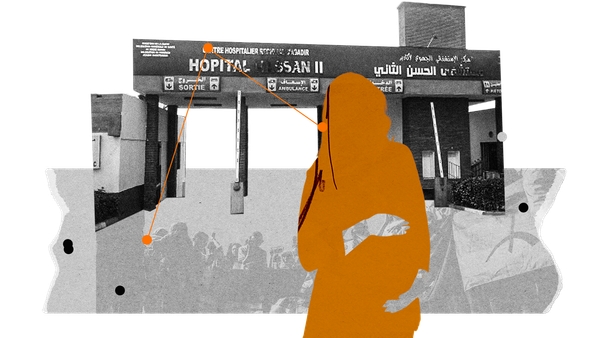
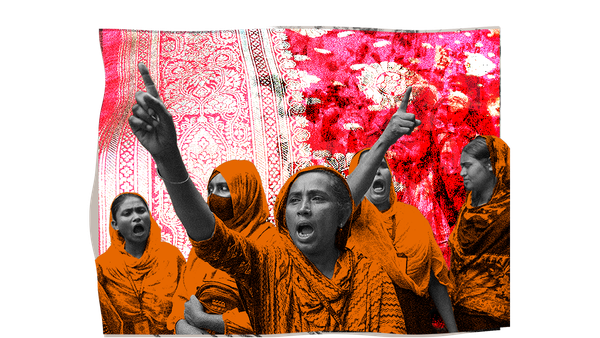
Nepal’s Gen Z‑led protests in 2025 reflect a global wave of youth mobilizations over corruption, inequality, and lack of political voice – from Kenya and Morocco, to Sri Lanka and Indonesia.
In other contexts of political disruption and institutional crisis, women’s access to justice and safety has also been deeply affected.
In Haiti, prolonged unrest and a breakdown in security have been linked to rising gender‑based violence and severely limited access to recourse and protection for sexual violence survivors.
Visuals by Ethan Caliva, lead photography by Prabin Ranabhat, edited by Charlie Brinkhurst-Cuff and Eliza Anyangwe
Visuals by Ethan Caliva, lead photography by Prabin Ranabhat, edited by Charlie Brinkhurst-Cuff and Eliza Anyangwe