Each edition is anchored around a singular theme. This enables us to deepen our coverage and, as you asked us to do in last year’s survey, to broaden your horizons.
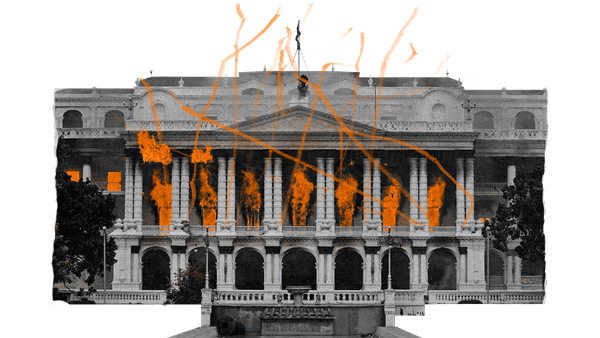
Revolutions was an obvious choice. We are, after all, at the start of a new year, our planet having completed a full revolution around its sun. But in the final quarter of 2025, as we reflected on a world being reshaped by wars, tariffs and technological disruption, we were struck too by the Gen Z protests, spreading from Indonesia to Peru and Madagascar, and revealing a wave of grievance, sometimes strong enough to topple governments.
By the end of the year, protests had erupted in Iran too and people were taking to the streets of US cities and towns in extraordinary numbers. As I write this, further protests are being planned over the killing of civilians by ICE agents in Minneapolis.
For a newsroom that looks to write women back into the biggest global stories, the opportunity was clear: whether in Tunisia in 2011, Sudan in 2019 or Bangladesh in 2025, women have been central in many fights for democracy. Yet, when protest shifts to policymaking, it seems time and again that the role of women is diminished and their demands sidelined. If we trained our reporting prowess on revolutions, what would we find?
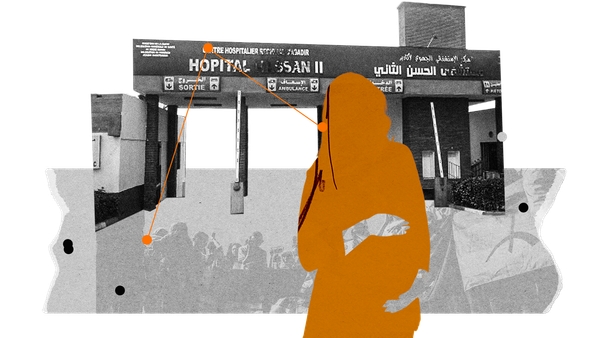
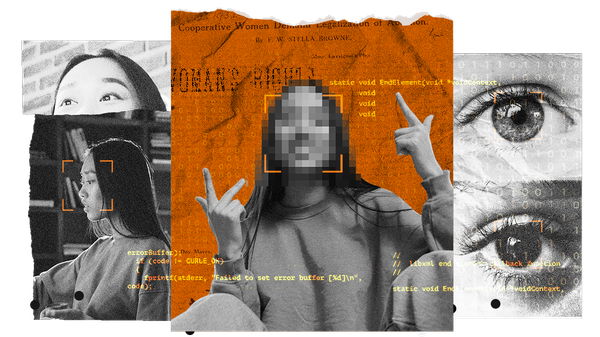
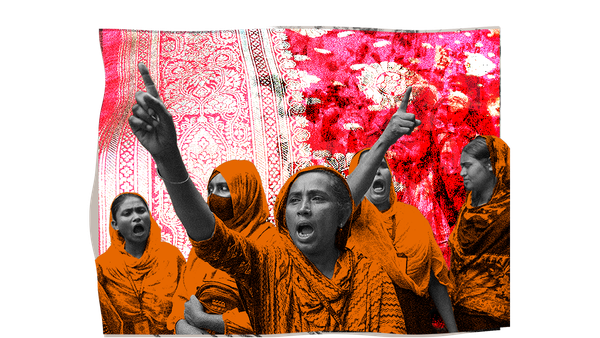
In this edition, we uncover the unintended consequences of revolution in Nepal on survivors of gender-based violence; spotlight the surveillance of women during protests and the sidelining of women garment workers after Bangladesh’s Monsoon revolution. We examine the co-option of feminist rage and seek possible lessons from Morocco, where eight maternal deaths were the spark that ignited 2025’s Gen Z 212 protests. We turn our attention too to Iran, whose women – in their demands for “life and freedom” – can teach us all how to wish for more than just the death of an oppressive system.
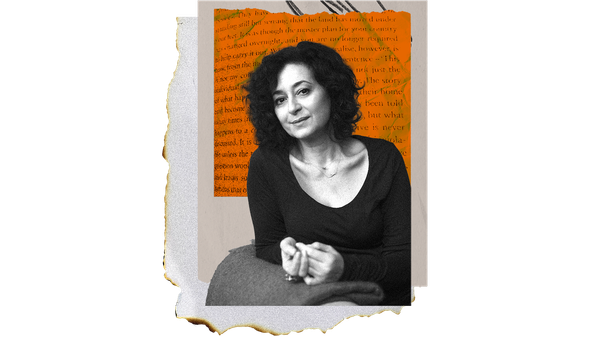
The edition is more than a collection of stories. Turkish writer and journalist Ece Temelkuran shares her big idea: for a moral revolution in times of rising fascism. Having spent the past decade warning Europeans and Americans that our countries could easily follow the path to authoritarianism that Turkey has, she is clear-eyed in her assessment of where the world is – and about women’s power to remake it.
We’ve also worked with Sudanese-American musician Alsarah to create a playlist of revolutionary chants from Sudan, shared the visual inspiration for this series and curated a resource box that puts into the commons all the materials that have informed the work you see here. For you, our newsletter subscribers, our aim is to go beyond just giving you information, to curating for you a Fuller experience.
To those of you who live in countries we can no longer recognize; who feel distraught and disenfranchised, this edition is for you. We will release new stories, starting today and through February. At the end of the month, when you explore all the work together in the edition hub, my hope is that what you find inspires you and connects you to people and places far away – an antidote to the isolation we all sometimes feel.
Finally, this edition also represents the gentle revolution that comes to an organization when new people assemble and look at the work with fresh eyes, bringing new perspectives. If you like what we’re building and the stories we are telling, my only ask is that you share it. If you feel compelled to, I’d love to hear what you make of it. You can email me at: eliza@fullerproject.org
Editor: Charlie Brinkhurst-Cuff
Visuals editor: Ethan Caliva
Editor: Charlie Brinkhurst-Cuff
Visuals editor: Ethan Caliva