Two years ago, Gulya* was recruited as a surrogate for an agency called Kinderly via TikTok, where an ad promised compensation starting at $16,000, monthly allowances, and bonuses for carrying twins. The 30-year-old Kyrgyz national clicked ‘like’, and within days, a private message invited her to learn more. She replied. What followed would devastate her life.
For years, Georgia has sold itself as a safe and legal haven for reproductive tourism. But recent scandals and a landmark legal case have exposed alarming cracks in what has long been a loosely regulated industry. The fallout has culminated in the first ongoing criminal trial involving a surrogacy agency in Georgia.
Since legalizing surrogacy in 1997, Georgia has gradually become a destination for prospective parents worldwide. The law allows gestational surrogacy, where the surrogate carries an embryo with no genetic link to her.
In 2022, Russia's invasion of Ukraine forced fertility clinics to evacuate, with many relocating to Georgia. Simultaneously, Russia banned surrogacy for foreigners, pushing its massive client base next door. Almost overnight, Georgia transformed into a booming global fertility hub.
Unable to meet the soaring demand locally, surrogacy agencies began flooding social media with ads, offering women, like Gulya, and others from Russia, Central, East Asian and African countries between $10,000 and $30,000 to work as surrogates in Georgia. Kinderly was one such offshoot of a Ukrainian firm that opened shop in the capital, Tbilisi, in 2022.
Now, its Armenian co-founder, Armen Melikyan, is standing trial in Georgia, accused of defrauding over 30 surrogate mothers who had borne babies for his firm and who claim caused them severe financial, psychological and physical distress. Together with his Ukrainian partner, Ruslan Timoshenko (charged in absentia), they face charges of embezzling up to $670,000 from intended parents and surrogates. Former Kinderly employees are witnesses in the case.
In an industry bound by strict confidentiality, deep emotional stakes, and the lingering stigma of surrogacy, women rarely speak out. But over the last nine months, three mothers who risked their health and security to become surrogates agreed to share their stories. Together, they offer a glimpse into a booming industry that has made fortunes for fertility clinics, fulfilled dreams, and broken promises.
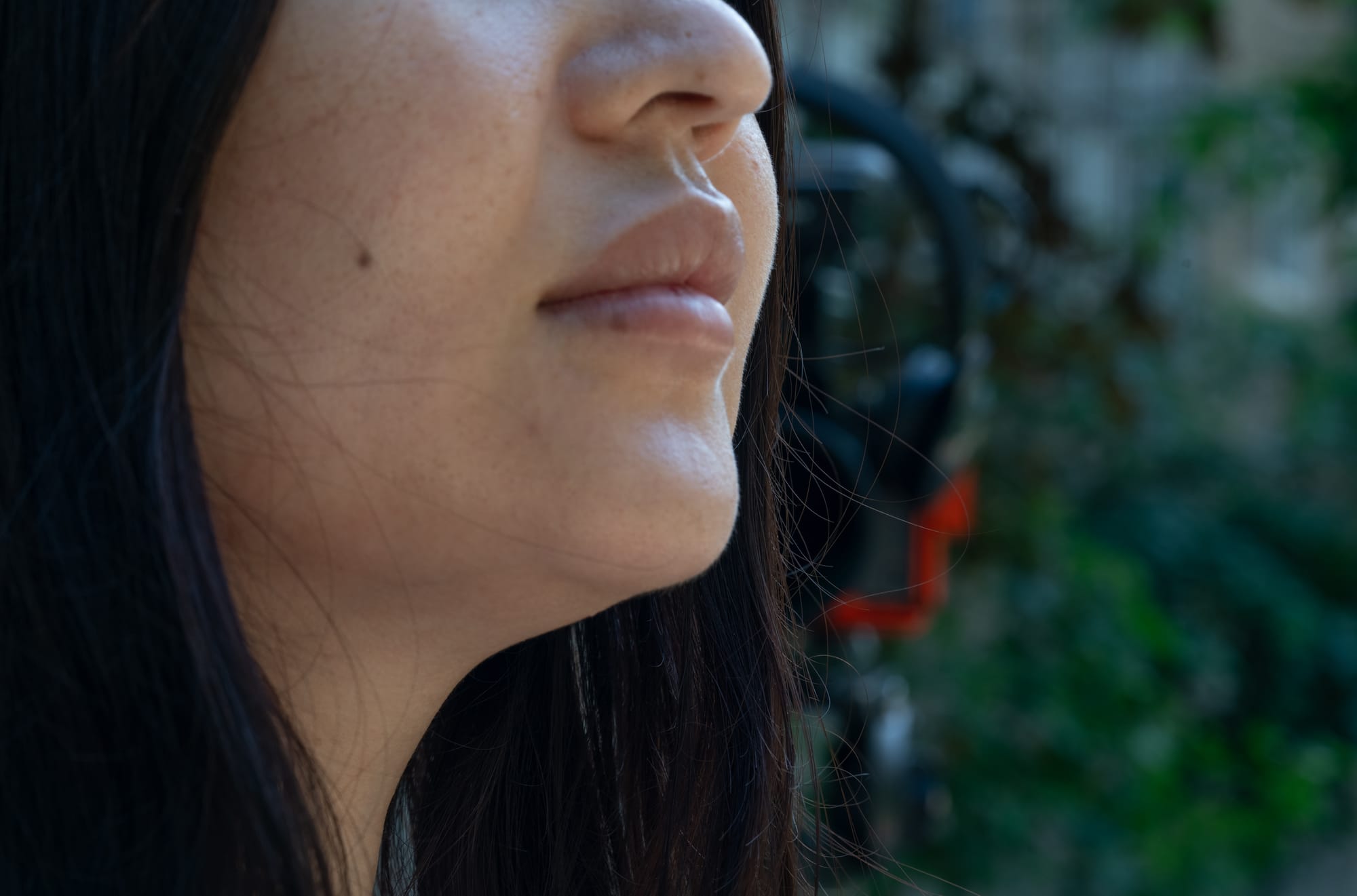
Left with nothing but painful scars: A Kyrgyz mother’s story
Gulya flew with her four-year-old daughter from Kyrgyzstan’s capital Bishkek to Tbilisi on 14 February 2024 – Valentine's Day. It had been less than a month since her divorce was finalized. Married in her early 20s, she had dreamed of a settled family. But after her elder son was born with cerebral palsy, and a second child quickly followed, the marriage unravelled.
“I was always calm, easy-going and obedient,” says the self-described introvert, who lost her logistics job to childcare and her collapsing marriage. She moved back to her parents' cramped apartment. Though typically risk-averse, she was driven to provide for her children. “This became the push to go.” Becoming a surrogate offered a chance for a down payment on her own home.
After signing a contract with Kinderly, Gulya received hormonal treatments in Tbilisi and became pregnant with twins within three months. But her Kinderly coordinators became less responsive. She was feeling dizzy and unwell, and suspected she had developed gestational diabetes, but no blood sugar test was ever performed. Being reserved, she decided not to make a fuss.
Though diabetes was never confirmed, when her contractions started on 31 January 2025, she was already gravely ill. “I already had a high fever, convulsions… I arrived [at the hospital] at about five centimetres dilated,” she recounts. Rushed in for an emergency C-section, she was anesthetized, the twins extracted, stitched up, and wheeled out as the next patient came in. With a shortage of beds in the recovery ward, she was temporarily placed in a storage room.
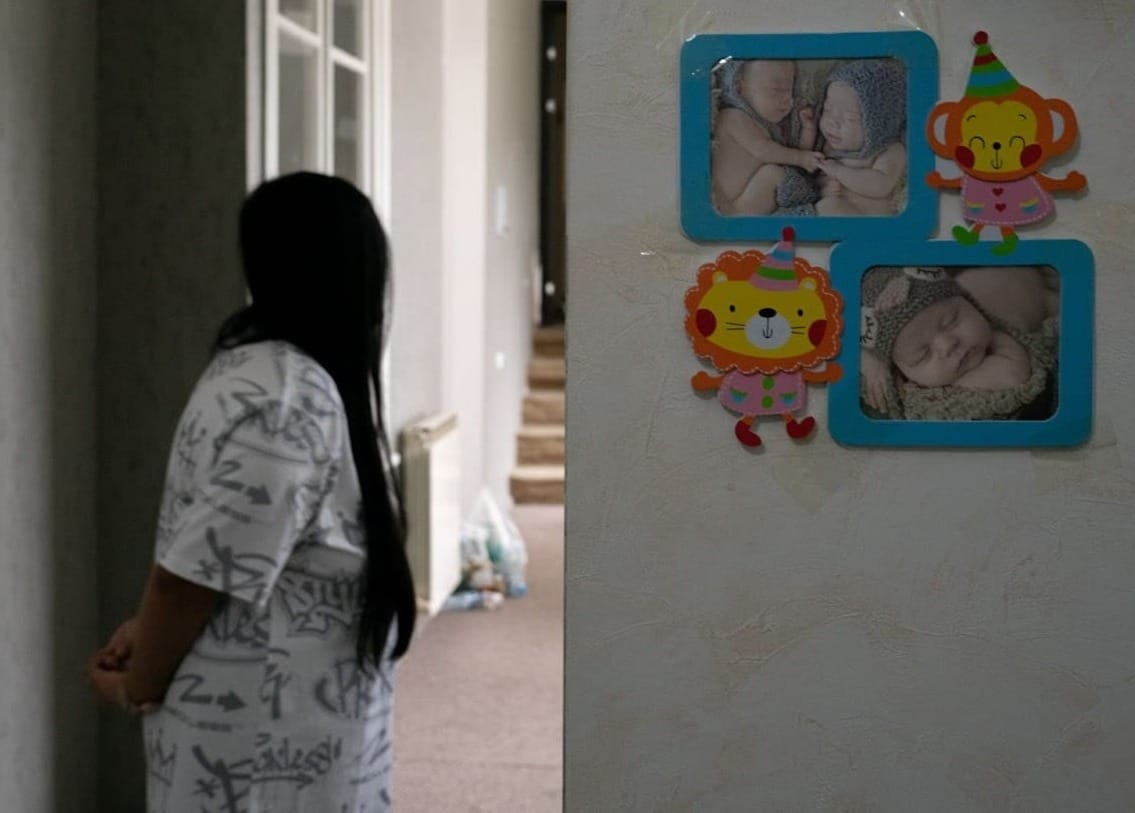
Through the haze, she recalls a flood of maternal instinct. The girls' birth weights remain etched in her memory – “One was 2.2 kilos and the other 2.8,” she says. The hardest part was hearing the twins cry in their bassinets with no one to hold them. The parents were nowhere in sight.
Barely able to walk once discharged, she returned to an apartment in Tbilisi with no heating or electricity, bills unpaid. She had been given a monthly $400 allowance through the pregnancy, but her final payment, for the delivery of the twins, of $20,000, never came. Kinderly declared bankruptcy a month later, abandoning dozens of surrogates in a rundown hostel. The company has since closed down.
According to the women and lawyers involved in the legal case, the local police refused to register their initial complaints. In response, the women eventually sought help from Sapari, a Tbilisi-based women's rights organization that assigned their human rights lawyer, Nino Andriashvili, to the case. Following intense local media attention, Georgian authorities began investigating.
By late May, Gulya had given up all hope of being paid. She sat on a park bench as her daughter, now five, played nearby. Her C-section scars still hurt. What haunted her most was learning that the Chinese couple for whom she had carried twin girls had twin boys born by another surrogate just months before. “I worry about the girls' future,” she says, her eyes filling with tears.
Swallowing her pride, she called her ex-husband, who bought their tickets home.
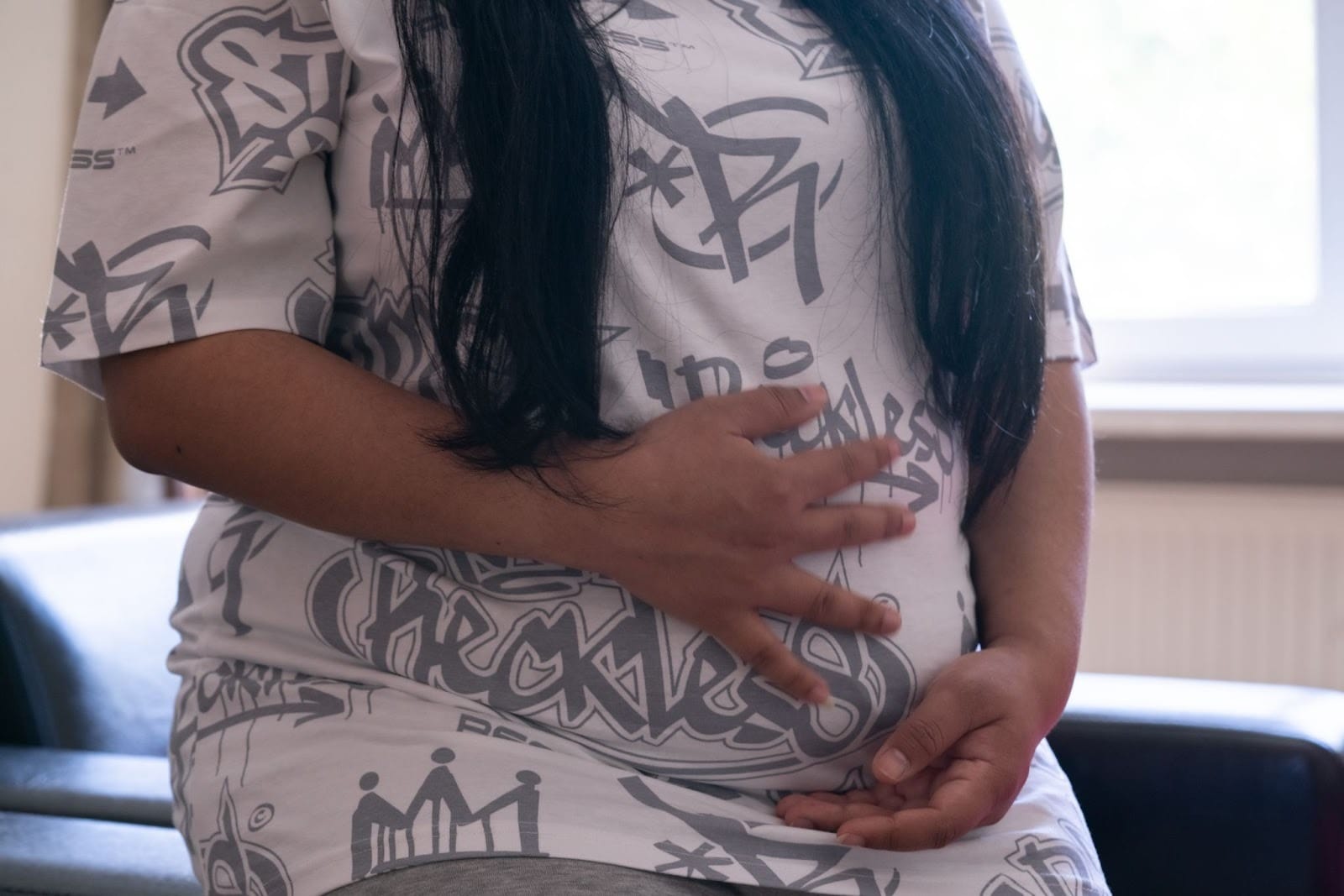
An anxiety-ridden pregnancy: A Thai mother’s journey
Yet not all surrogates face the trauma Gulya suffered. For Nui*, a 31-year-old single mother from Thailand, the experience was far more positive. Nui heard about surrogacy in Georgia through word of mouth in Thailand. After a decade earning under $400 monthly at her factory job, the promise of at least $12,000 to carry a baby was impossible to ignore.
As the sole provider for her family, she announced she’d found work as a cook and flew to Tbilisi in August 2024 to sign up with a Chinese agency registered in Tbilisi. (Fuller is not naming the agency to protect Nui’s identity).
After two failed attempts, her third implantation finally succeeded on Christmas Day. By May 2025, and five months pregnant, Nui still hadn't signed a contract, and her monthly allowance of $300 – money she depended on for food – was delayed twice by her manager at the agency. Though housed comfortably with other mothers, the unsigned contract nagged at her. “Will I be paid, or am I carrying this baby for free?” she wondered nervously.
Nui’s pregnancy entered its final weeks before her contract issue was resolved; she hoped to return to Thailand before her son turned eight in September.
On 8 September, Nui gave birth to a baby girl following an induced labour. She lost a significant amount of blood and required a transfusion.
Nui has saved photos and videos of the baby on her phone, which she scrolls through proudly, claiming she feels no attachment. “I just look at it and think, what a cute baby,” she says.
Her final payment also came through with a bonus. Nui calculates she received $14,800 in total across her 13 months in Georgia. Her Chinese bosses even covered a $70 fine for overstaying her visa. She missed her son’s birthday, but Nui felt relieved and excited to go home. Nui was certain of one thing: she would never do it again.
In late January 2026, Nui messages Fuller to say she’s back in Georgia for a second surrogacy. This time, she has directly contacted someone working at a delivery hospital for a deal of roughly $2,000 more.
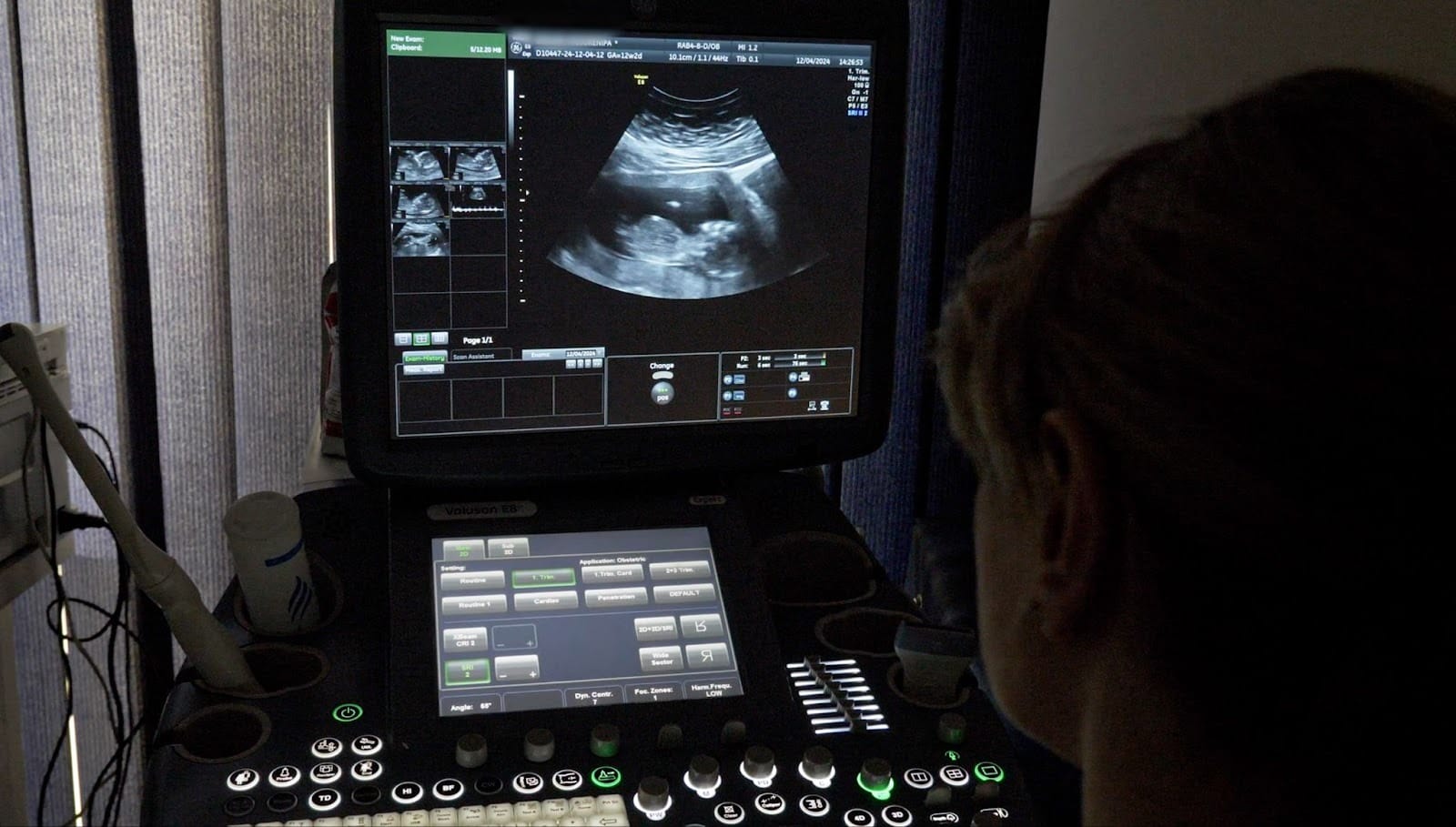
A failed surrogate turned recruiter: A Nigerian mother speaks out
In late summer 2023, about a month after starting a new job supervising a cleaning company in Nigeria, Grace* noticed a Facebook ad seeking African surrogates.
Although suspicious that it was a scam, she called the number anyway and learned from an agent that the job was in Georgia. After a video call with clinic representatives, she was assured of its legitimacy and she matched the requirements: she'd had an easy first birth in her early 20s, and she was fit.
Though the promised $6,000 fee seemed low, Grace, then 31, boarded a plane for Tbilisi in late 2023. “To be honest, I just wanted to leave Nigeria,” she says.
When Grace arrived in Georgia, she discovered her contract with the clinic listed her compensation at $10,000. The agent had planned to pocket $4,000. Grace confronted him and then cut all contact. She also learned that African women were being paid less than Russians, Central Asians, Thais, and Filipinos.
The explanation given to her by agencies was that flights from Africa were more expensive and that African women posed a higher risk of not being matched with intended parents. Grace was unconvinced. “It's discrimination. [Our] uterus is the same,” she says.
After three failed implantations, each attempt earning her $300, her contract ended with the first clinic. Grace decided to try again and negotiated a $26,000 package directly with another clinic. She became pregnant on the first attempt.
At five months, genetic abnormalities were detected and the parents chose to terminate. A contractual clause she had overlooked denied compensation for a loss or termination before 24 weeks. She received just $2,000.
“They don't care about the surrogate. They just want you to be pregnant,” she says.
After this, Grace tried recruiting other African surrogates. But she says many agencies consistently offered them less than women from other places. Acutely aware and concerned that a weak currency back home forced many African women to accept lower fees, and that agencies were now targeting African women based in the Gulf states, whose resident cards mean they qualify for visa-free entry to Georgia, she gave up the idea.
Instead, she turned to recruiting egg donors. Unlike surrogacy, she says, the market is less discriminatory for eggs. “No matter your race, you all get paid the same.”
Although disappointed with the industry, she still views surrogacy as a vital lifeline for infertile couples: “As a mother… and as an African who knows how families treat wives who can't have children, I would say it is an honour to become a surrogate,” she says passionately, emphasising that women who take on this role deserve to be fairly and equally compensated.
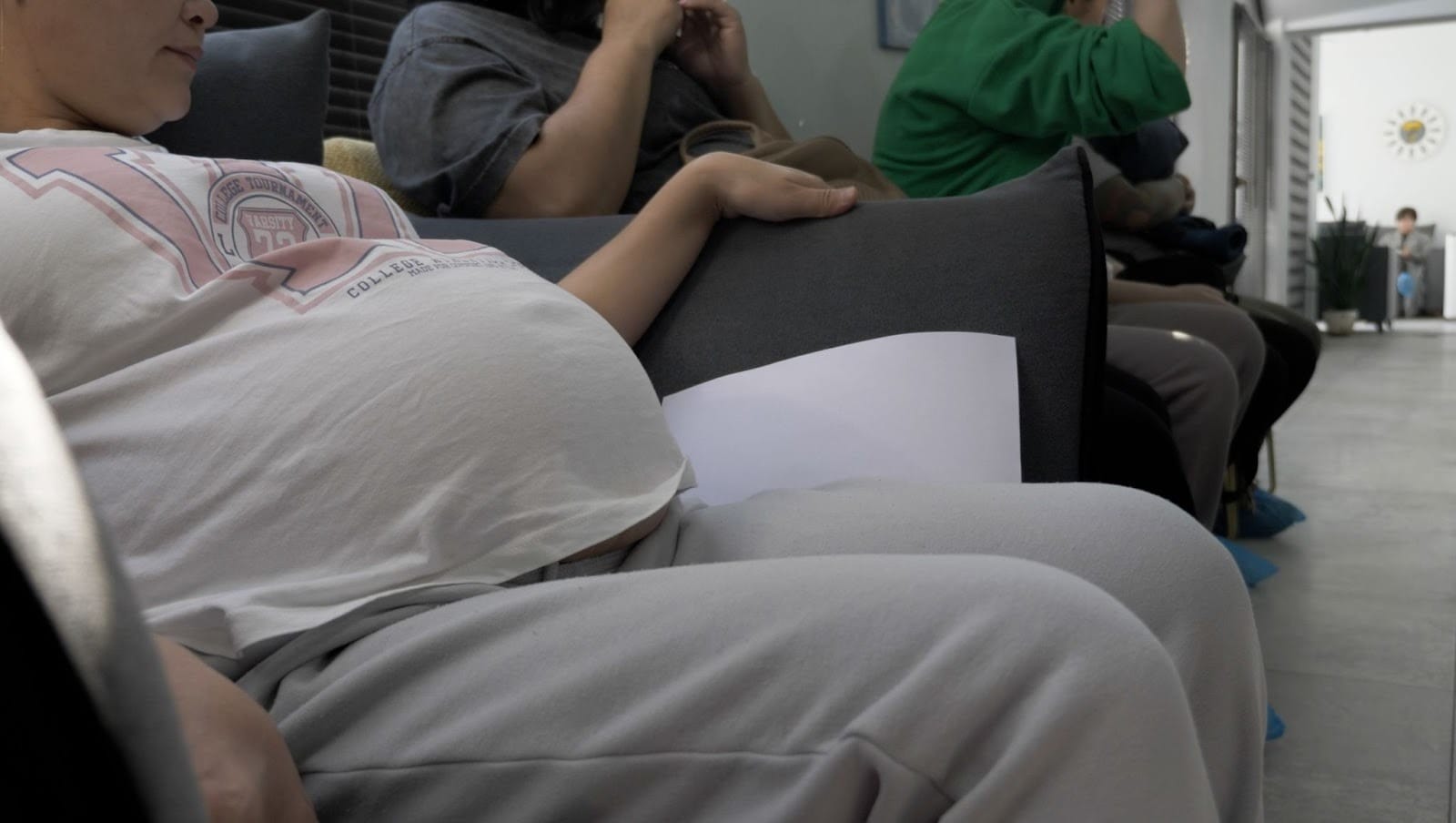
Hopes for reform and new beginnings
The Kinderly trial in Tbilisi continues. State prosecutors have until July to secure a conviction. Nino Andriashvili, the Sapari lawyer who helped kickstart investigations, hopes the case can spur reform. A proper legal framework is required to not only guarantee fair compensation but also to safeguard women’s basic rights and dignity, she says.
“It’s not just about what they’re paid,” says Andriashvili, who is taking on new cases involving the mistreatment of surrogates. “It’s about improper medical procedures and, excuse me for the expression, not giving a damn about the woman herself.”
Rather than banning surrogacy, Andriashvili believes the law should be revised with stronger protections for the women the industry depends on, and the children they bear. Last year, a Georgian journalist reported that eight abandoned surrogate babies ended up in state care.
For Gulya, life has moved forward. On a recent video call from Bishkek, the haunted look she carried last year has faded. She has opened a small flower shop. “I want to see beauty in everything – forget all the bad things, and start a new life,” she says.
Local doctors told her the stitching on her uterus risked rupture in any future pregnancy. But she has no plans for that. Nor does she pin any hopes on the outcome of the ongoing trial.
Just one thing has given her closure. A Chinese journalist tracked down the parents of the twin girls she had carried and arranged a video call. “I finally saw the girls I gave birth to. They are such beautiful and sweet girls now,” she says, her face softening. The parents shared screenshots of payments that never reached her and apologized. It was, she says, what she needed.
Gulya believes commercial surrogacy is not inherently exploitative. But every country that permits it, she thinks, must introduce far stricter laws – ones with no loopholes that protect the women, the babies, and the parents equally.
“But how to do that,” she says, “unfortunately, I don't know.”
*Names have been changed to protect identities.
Photography by Pearly Jacob. Edited by Charlie Brinkhurst-Cuff and Anastasia Moloney
Photography by Pearly Jacob. Edited by Charlie Brinkhurst-Cuff and Anastasia Moloney