A Fuller Recap

This has been a season of firsts at Fuller. Since we last wrote, our team has grown, our editorial ambitions have come to life, and we've taken our journalism off the page and into new formats. We launched our new edition model, bringing readers a more immersive, deeper look at the issues that most impact women and gender-diverse people. Our team has been in the field and on the stage, bringing our reporting and gender expertise to conversations around the world. And for the first time in Fuller's history, we produced and premiered a short documentary — a milestone that marks a new chapter in how we tell stories about women's lives and the forces that shape them.
None of this would be possible without your commitment to this work and support for Fuller. Thank you for being part of this community.
Here's a deeper look at what we've been working on:
Our latest stories and editions
Far right
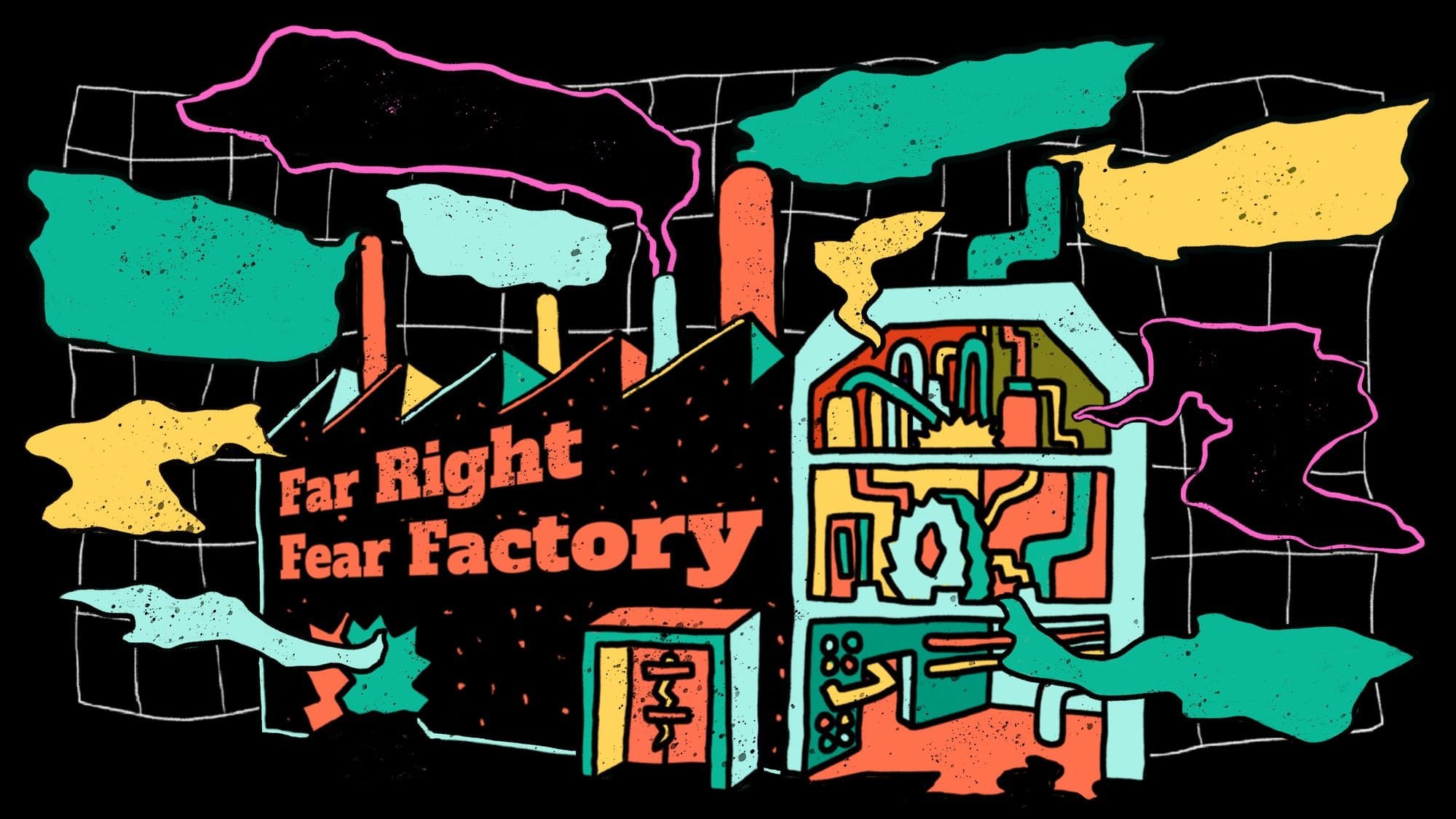
How women leave the far right, and what it really takes
Samantha Froelich spent years coordinating women's recruitment for one of America's most dangerous far-right organizations – then she got out. Read her story, and the six lessons she's now sharing with anyone trying to bring someone back from the edge. We'll continue to publish pieces for the far right edition throughout April and May.
Reporting on the far right: What the media gets wrong and how to get it right – Monday, April 20 at 2 pm ET / 11 am PT
The far right isn't just a political story, it's an organized movement with deep pockets and patterns. It's also a gender story. And most newsrooms are missing it.
Join Fuller for a dynamic, expert-led roundtable unpacking the global rise of the far right and what it means for women and gender-diverse people.
In this hour, we'll dig into:
- The narratives far-right movements use to target women — and how to spot them
- Why mainstream media keeps missing the story
- How journalists, researchers and civil society can collaborate more effectively
- Where to find the data, sources and frameworks to cover this beat with precision
Motherhood
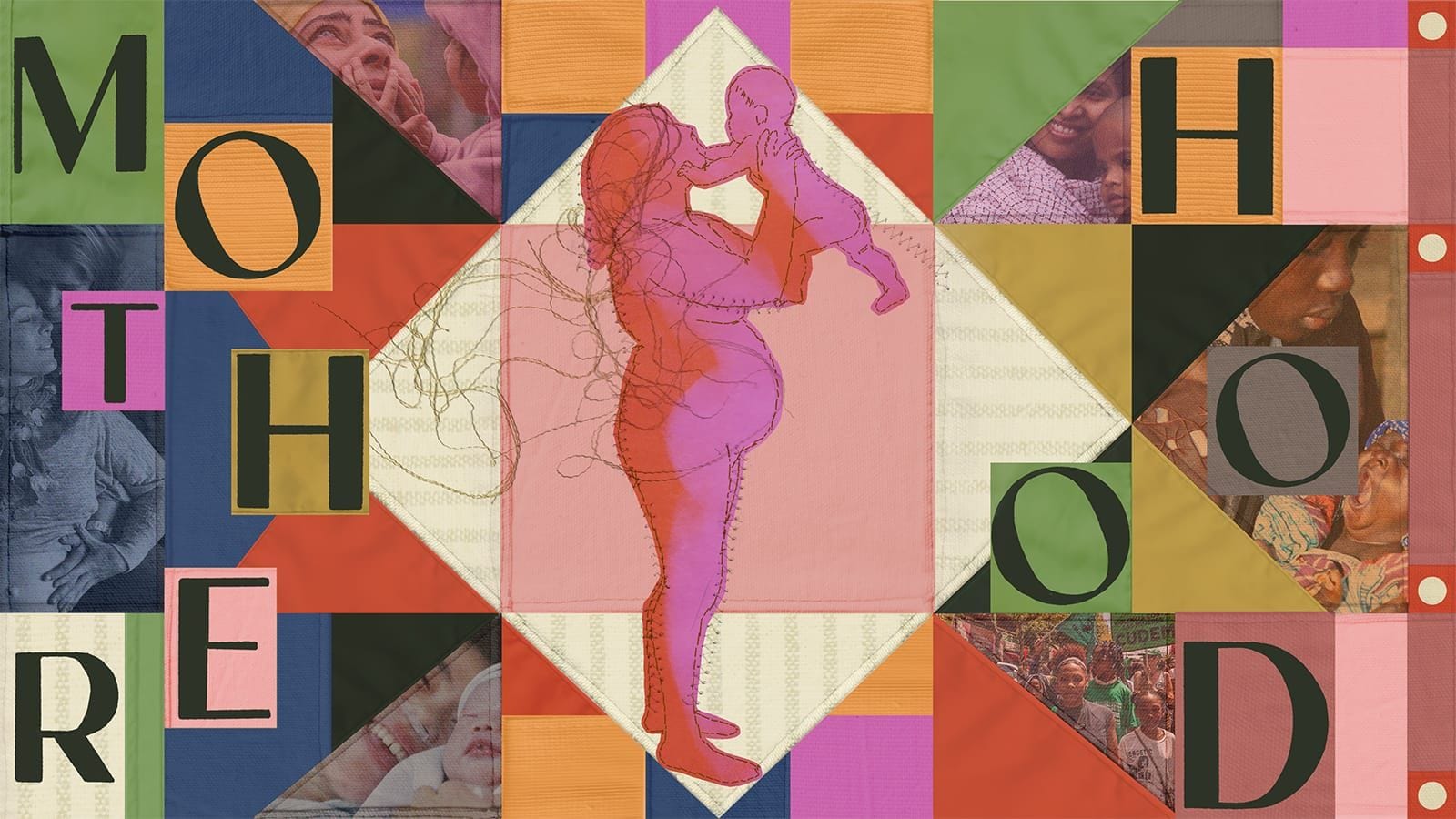
‘Her payment never came’: What it’s really like being a surrogate mother in Georgia
A booming surrogacy industry has made fortunes and broken promises. As scandals brew and a court case begins in Georgia, three women who carried children for strangers share their stories – from emergency twin C-sections to failed implantations. Read the piece.
Watch: Inside the shadowy world of the billion-dollar fertility industry, a Fuller conversation with NPR journalists Diaa Hadid and Shweta Desai and renowned sociologist Dr. Amrita Pande.
At the center of this edition is a short documentary focused on the devastating human cost of UK and USAID cuts on maternal and infant mortality. Produced in partnership with On Our Radar and Channel 4 News, viewers are taken inside a maternity ward in Sierra Leone, one of the most dangerous places in the world to give birth. Our health reporter's accompanying piece, Can Sierra Leone keep its mothers alive?, goes deeper into the structural forces behind the numbers.
Also in this edition: France's broken promise on fertility rights for single women and lesbian couples. And how America's anti-trans influencers are weaponizing motherhood.
Revolutions
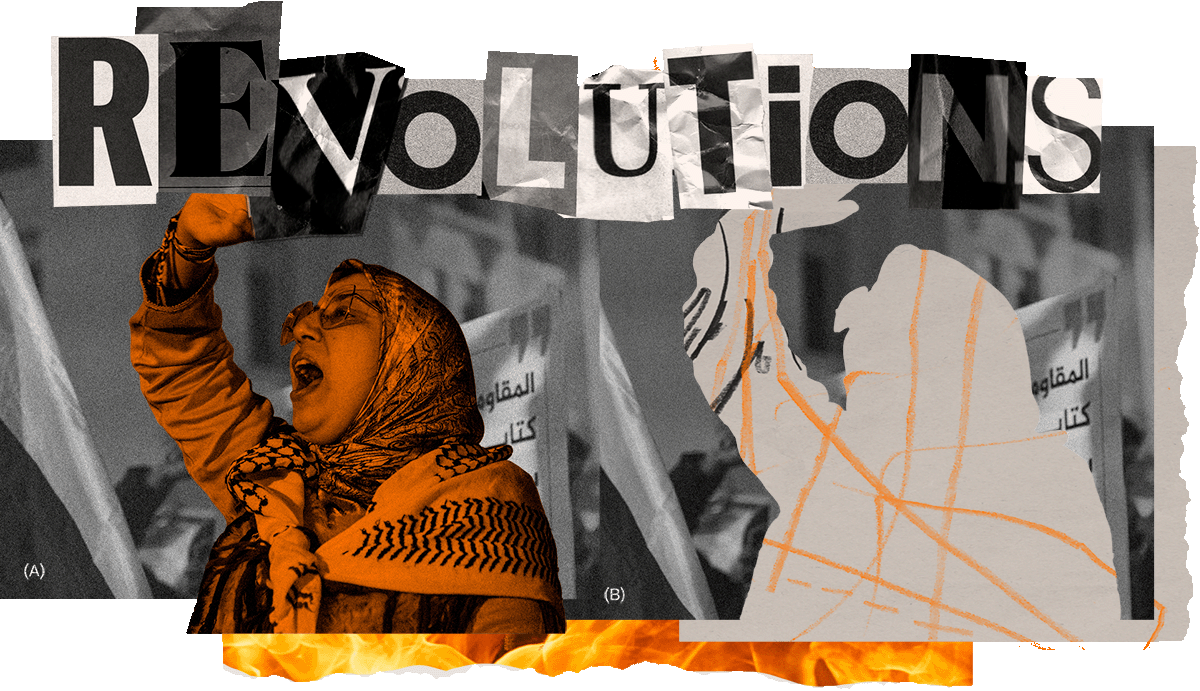
The market for spyware is growing – and it’s being used differently against women
Authoritarian regimes have found a new tool for silencing dissent: turning women's bodies into weapons of intimidation.
When a Hong Kong pro-democracy activist discovered sexualized deepfakes of herself mailed to her neighbors, it wasn't a random act of harassment — it was a coordinated, state-backed operation designed to drive her offline and out of public life. Our technology correspondent reports on the growing market for spyware and the emerging field researchers call gender-based digital transnational repression: the use of surveillance, disinformation, and intimate-image abuse to follow women activists across borders.
Also in this edition: for Bangladesh's garment workers, the Monsoon Revolution remains unfinished business. Writer and political analyst Ece Temelkuran argues we need nothing short of a moral revolution. And in Nepal, after the justice system failed them, women took matters into their own hands.
In the field
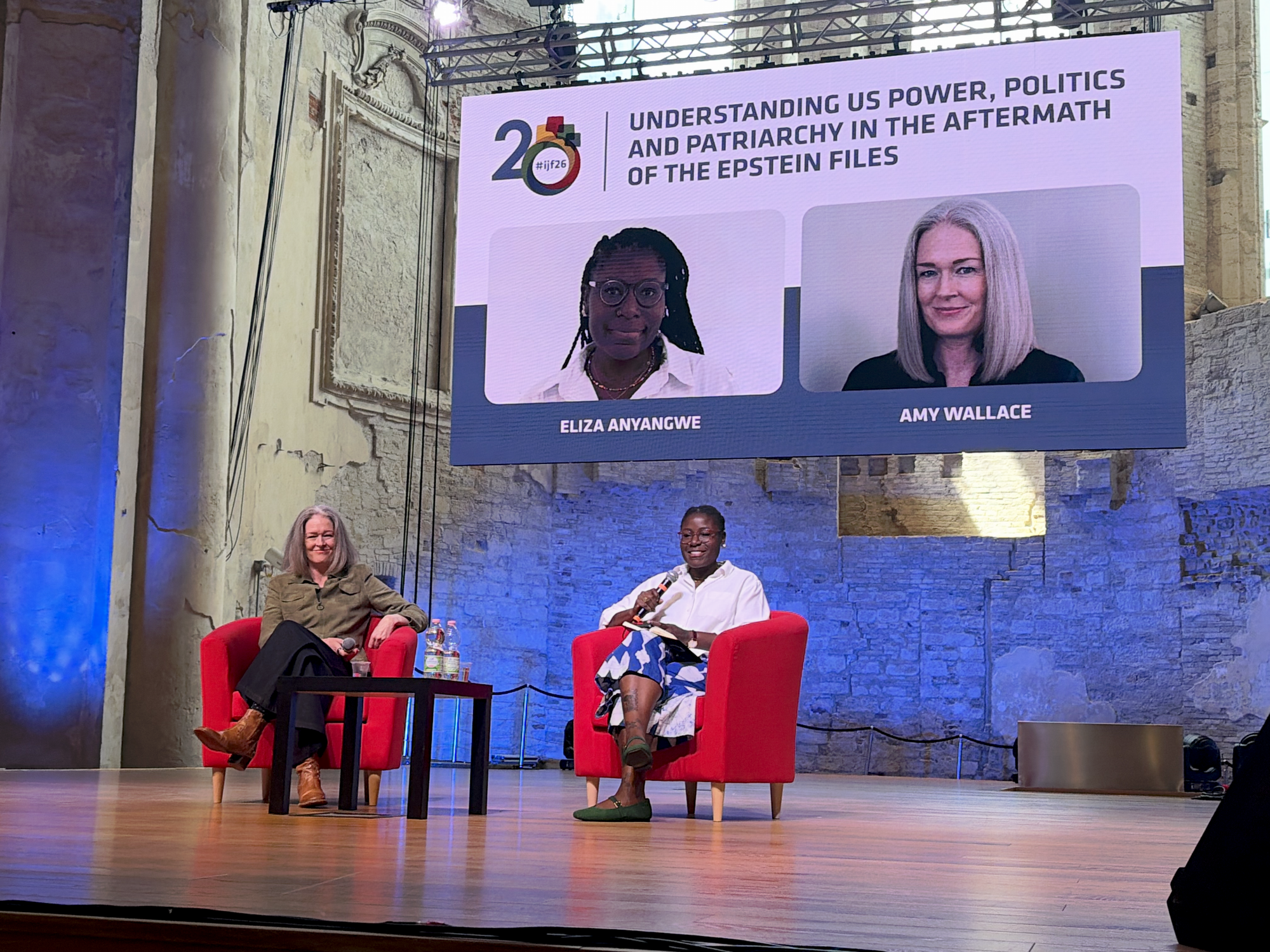
- The Fuller team was featured on several panels at the International Journalism Festival last week. Watch the recordings:
- Understanding US power, politics and patriarchy in the aftermath of the Epstein files
- Both sides now: what I learned funding in authoritarian Hungary and how it changed how I run a U.S. newsroom
- Steering newsrooms through rocky waters as a new leader
- The future of gender-just journalism: from coverage to culture
- Writing wrongs: lessons from co-authoring Virginia Roberts Giuffre's memoir
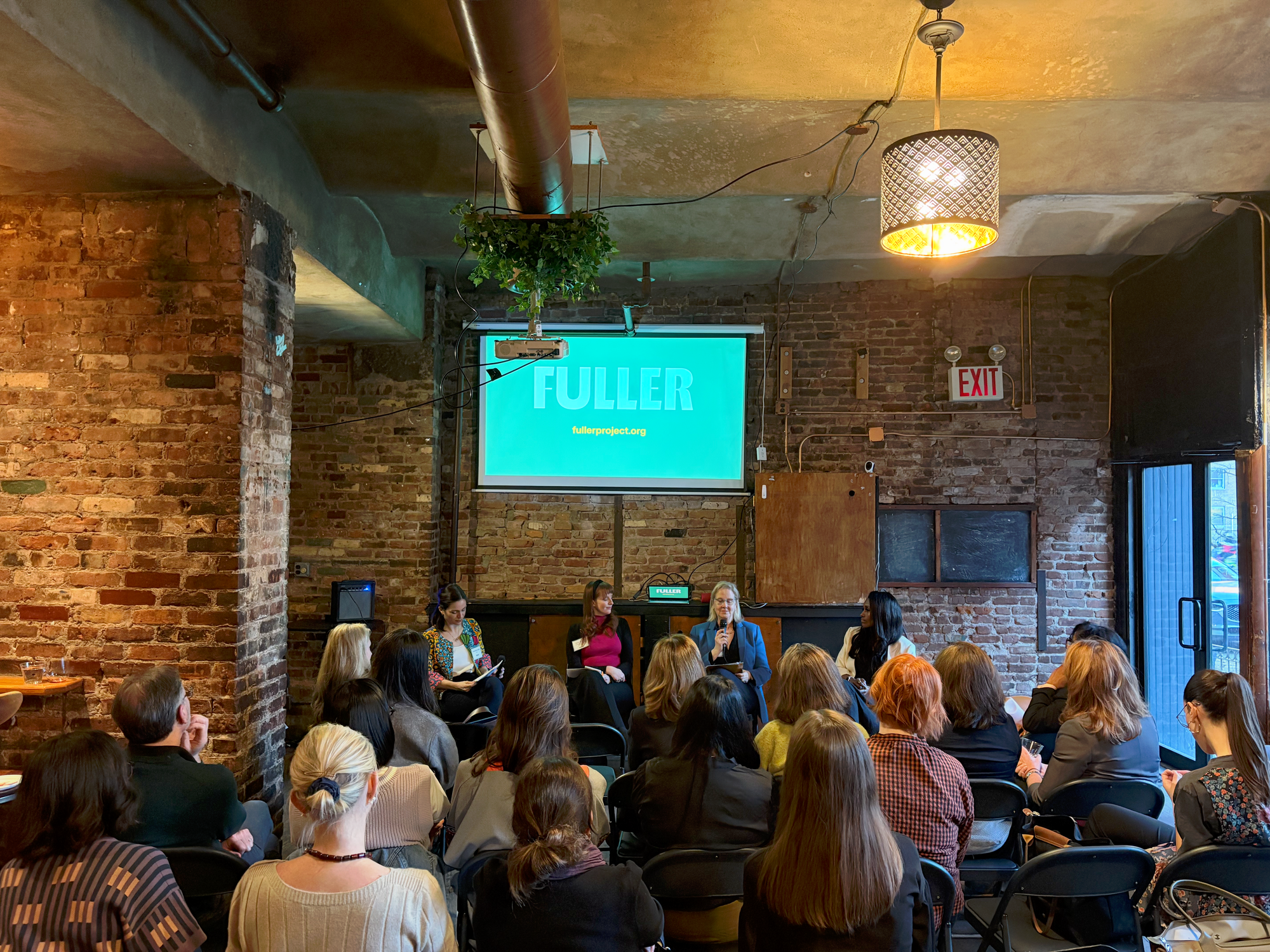
- Fuller hosted a premiere screening of A matter of life or death: giving birth in Sierra Leone, our short documentary focused on the devastating human cost of UK and USAID cuts on maternal and infant mortality. We gathered global health researchers and experts, maternal health advocates, and Fuller supporters as a side event during the Commission on the Status of Women’s 70th annual convening.
- Fuller CEO, Zsuzsanna Lippai spoke at two panels with Together Women Rise early this year, moderating a conversation on the impact of global funding cuts on gender-focused organizations, and speaking to how journalism and advocacy, working together, can drive real legislative change.
- Fuller also joined Ipas in Brussels for a policy dialogue on one of the more alarming trends in the global anti-rights movement: the deliberate investment in younger generations to consolidate power and influence policy for decades to come. The event, which featured youth leaders, policymakers, and researchers, examined how young people are being recruited, professionalized, and mobilized — and what it will take to counter it.
A note of thanks
None of this happens without you. Fuller exists because donors like you believe that rigorous, gender-focused journalism is not a niche, it's a necessity. Every story we publish, every panel we join, every documentary we make is possible because of your commitment to this work.
If you'd like to support what's ahead — and there is a great deal ahead — you can do so here. And as always, we'd love to hear from you.